Future Development Space of Mobile Toilets
The future development space of mobile toilets is vast, primarily reflected in the expansion of application scenarios, technological evolution, design optimization, and the release of market potential.
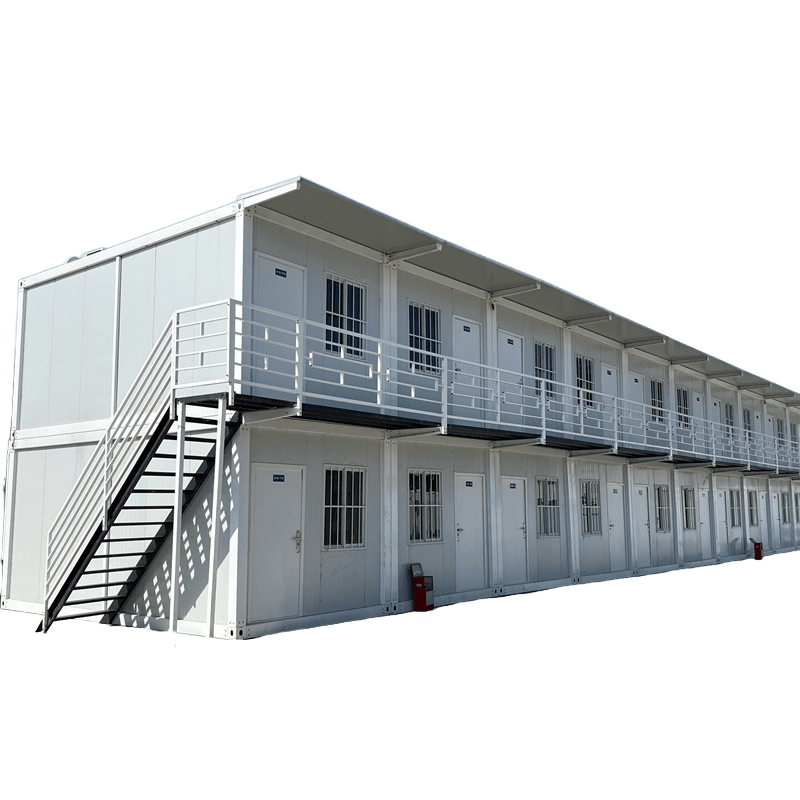
The continuous expansion of application scenarios is one of the core directions for the development of mobile toilets. Traditionally, they have been mainly used in construction sites and temporary events, but in the future, they will extend to a wider range of public areas. For example, in urban neighborhoods, mobile toilets can serve as a supplement to the fixed public toilet network, being deployed in densely populated areas with limited infrastructure to alleviate the problem of "difficulty in finding toilets". In tourist attractions, especially ecologically sensitive areas, the use of waterless or recirculating water technologies can reduce damage to the local environment. In large public events, through traffic simulation calculations, the optimal configuration of quantity and layout can be achieved, improving usage efficiency and ensuring hygiene and safety.
Technological evolution driving functional upgrades is another key driving force. In terms of treatment systems, traditional chemical decomposition or centralized waste removal methods are gradually being replaced by biodegradation technologies that utilize specific microbial communities to accelerate waste decomposition. Physical separation and dehydration technologies can convert feces into solid matter for easier transportation. Some cutting-edge research explores resource recovery, such as extracting nitrogen, phosphorus, and other nutrients from urine for agricultural use (currently in the experimental stage). In terms of intelligent management, IoT sensors enable real-time monitoring of toilet stall usage status and waste tank capacity, optimizing maintenance routes and reducing operational costs. Advances in materials science focus on improving the durability, thermal insulation, and heat retention of the toilet bodies while reducing transportation weight to adapt to diverse scenarios.
Design optimization emphasizes universality and humanization. Future mobile toilets will place greater emphasis on barrier-free design to meet the usage needs of people of different ages and mobility levels, such as adding handrails, adjusting heights, and optimizing spatial layouts, reflecting social inclusivity.
The continuous release of market potential provides strong impetus for industry development. Taking the Chinese market as an example, multiple factors such as the accelerating aging process, the boom in camping and self-driving outdoor economies, and the standardization of emergency facilities are driving rapid industry expansion. Market penetration rates are increasing year by year, with clear product stratification and a complete price range. In overseas markets, high-end niche categories have emerged, with significant differences in functions, prices, and applicable scenarios, further expanding market boundaries.
In conclusion, mobile toilets are transforming from single-function to diversified, intelligent, and ecological models, and their development space will continue to expand with technological breakthroughs and market demand upgrades.