Introduction to the Functions of Mobile Toilets
Mobile toilets are modern sanitation facilities that integrate environmental protection, convenience, and intelligence, with main functions covering basic services, environmental protection technologies, emergency deployment, user-friendly design, and intelligent management, among others.

1. Basic Sanitation Services
The core function of mobile toilets is to provide immediate restroom solutions for crowded venues such as scenic spots, large-scale events, and construction sites, alleviating the shortage of fixed public toilets. Their design typically complies with the "Urban Public Toilet Design Standards" to ensure basic sanitation needs are met. For example, Dalian City effectively relieved restroom pressure in crowded tourist areas during peak travel seasons by flexibly deploying mobile public toilets; Shanxi Jinci Scenic Spot transformed buses into mobile men's toilets during the May Day holiday in 2026, temporarily converting fixed men's toilets into women's toilets, significantly increasing the daily restroom capacity.
2. Integrated Environmental Protection Technologies
Mobile toilets employ various environmental protection technologies to reduce resource consumption and environmental pollution. In terms of water-saving systems, vacuum suction technology uses only 0.3-0.5 liters of water per flush, while biodegradation technology requires no flushing, saving over 90% of water compared to traditional public toilets; some products further achieve water conservation through rainwater collection and filtration, as well as secondary flushing with hand-washing water. For sewage treatment, some models are equipped with MBR membrane bioreactors that can purify sewage to the standard for reclaimed water reuse. Regarding energy supply, solar panels on the top can meet the electricity needs for lighting and ventilation, enabling off-grid operation.
3. Rapid Deployment Capability
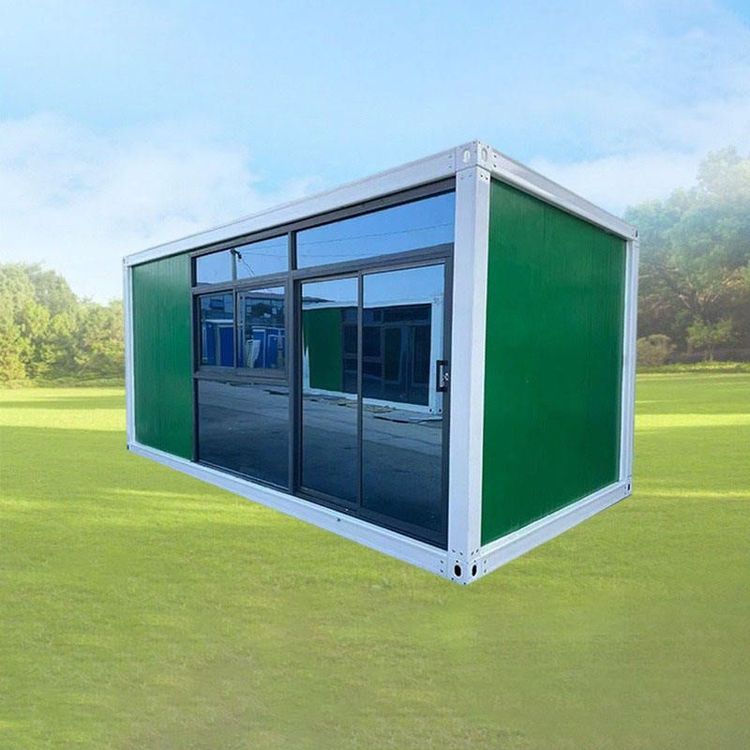
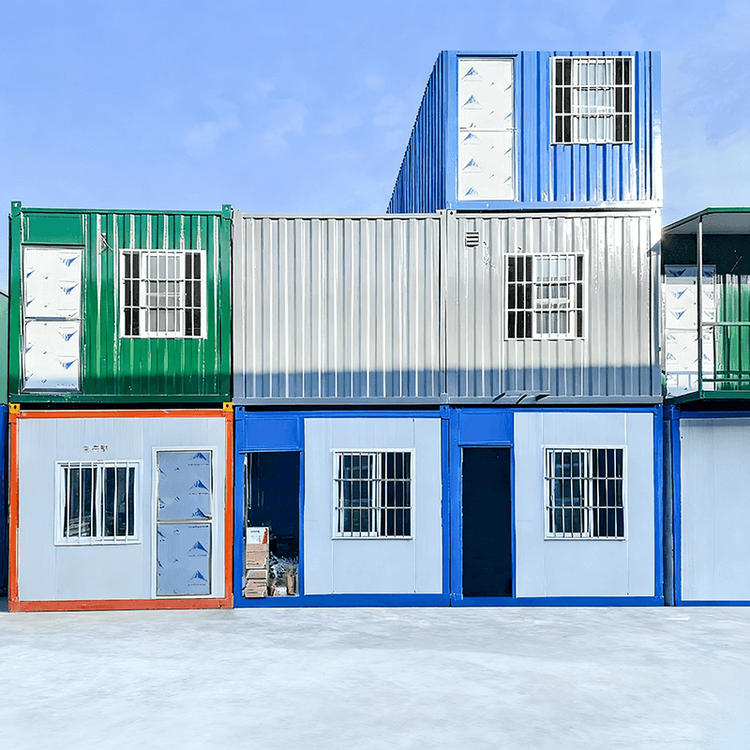
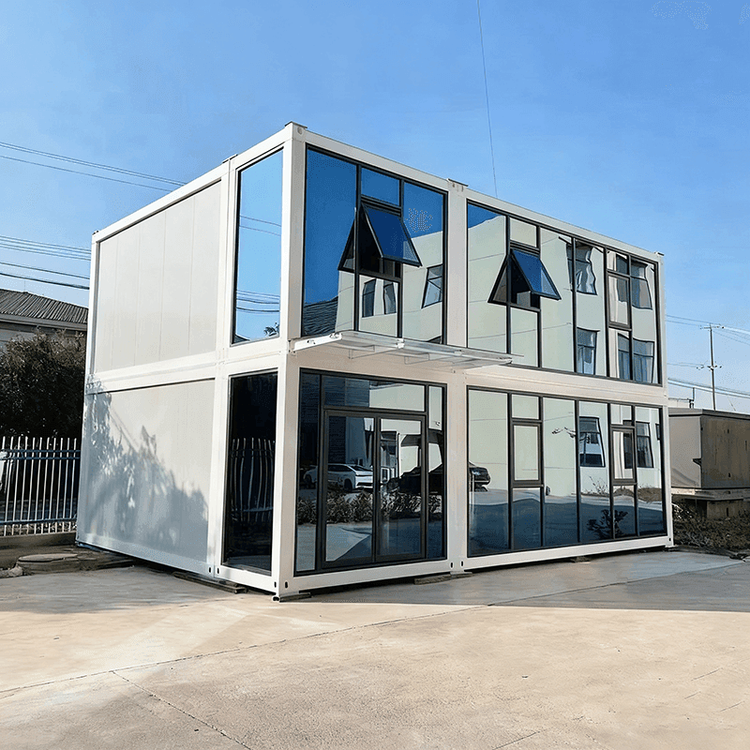
The modular steel structure box design allows mobile toilets to be installed within 2 hours using lifting vehicles, making them suitable for emergency scenarios such as earthquake-stricken areas and temporary construction sites. Some models are equipped with self-propelled chassis, enabling movement without external equipment and further enhancing deployment efficiency.
4. User-Friendly Design
Mobile toilets focus on user experience, providing barrier-free spaces (with an area of at least 1.5m×1.5m) and tactile guide paths; constant-temperature ventilation systems ensure a ventilation rate of at least 20m³/h to maintain fresh air; intelligent induction lighting provides an illuminance of at least 150 lux, enhancing user comfort.
5. Intelligent Management Functions
Through IoT sensors, mobile toilets can monitor data such as usage frequency, ammonia concentration (with an alarm threshold of at least 20ppm), and water tank levels in real-time, and support scheduling and maintenance via remote management platforms. Some products are equipped with intelligent systems, such as bottom-level PLC data acquisition, 40-inch LED stall monitors, and 4G remote monitoring modules, allowing users to remotely control lighting and flushing systems via mobile apps.
6. Customization for Special Scenarios
Mobile toilets offer customized designs to meet different environmental needs. Models for cold regions are equipped with electric tracing pipes that can withstand temperatures as low as -40°C; wind-resistant models for coastal areas have a wind pressure rating of at least 1.5kN/m², adapting to strong wind conditions.
7. Dual Focus on Epidemic Prevention and Water Conservation
Some intelligent and environmentally friendly mobile toilets feature functions such as wave-to-open doors, wave-to-change toilet seats, and wave-to-flush, reducing the risk of contact transmission while achieving water-saving goals.