
Will Mobile Toilets Freeze in Winter?
Mobile toilets have the potential to freeze in winter, but the probability can be effectively reduced by taking appropriate measures.
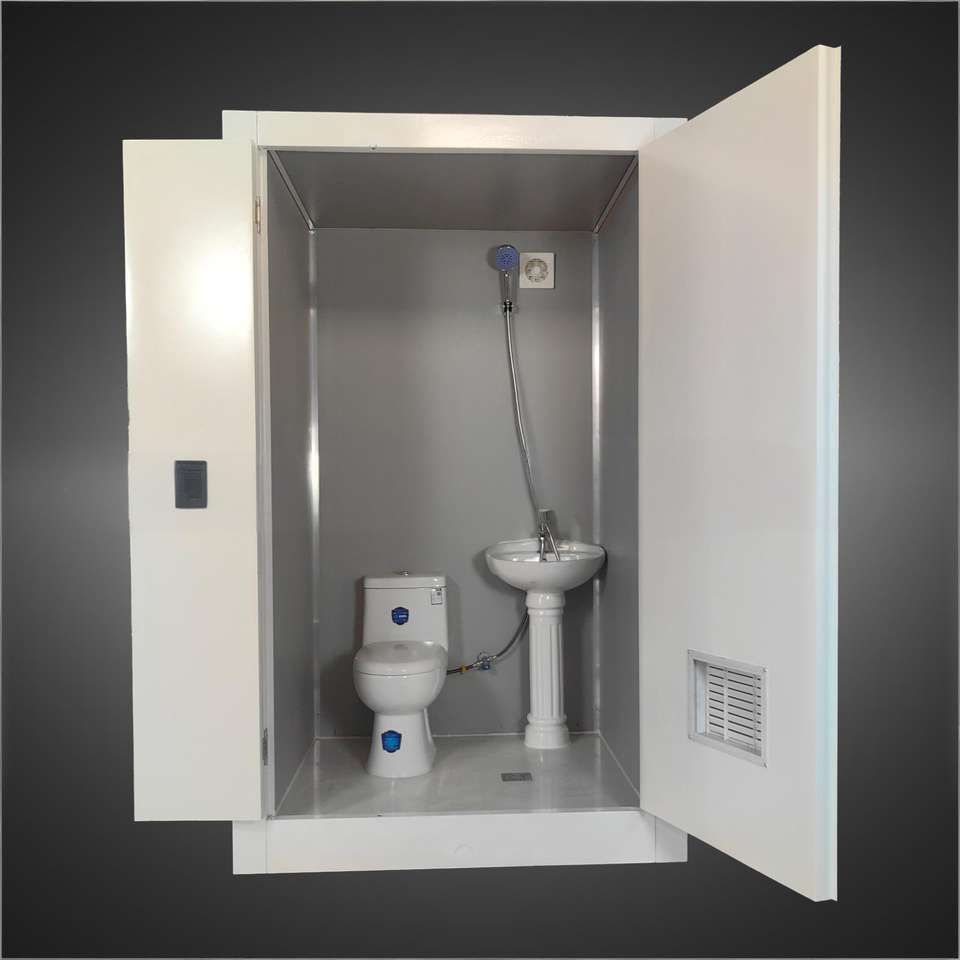
The piping materials of mobile toilets are mostly PVC or metal, which are easily affected in low-temperature environments. When the temperature drops below -5℃, if the flushing system is not properly insulated, the residual water in the pipes will expand due to freezing, leading to blockage of the drainage outlet and affecting normal use. For example, in some cold regions in the north, freezing and blockage are relatively common phenomena in winter if mobile toilets are not specially treated.
To reduce the probability of freezing and blockage, regular manufacturers take a series of insulation measures when producing mobile toilets. First, install insulation layers or heating devices. For instance, radiators are installed at key parts of the water tank and pipes to maintain the pipe temperature and prevent water from freezing using the heat from the radiators; solar heating devices are installed to convert solar energy into heat energy and provide heat for the pipes; the walls are made of thermal insulation materials to reduce indoor heat loss and keep the internal temperature of the toilet relatively stable; insulation measures are taken for the sewage pipes, such as wrapping them with insulation cotton, to reduce the possibility of water freezing in the pipes.
Second, take preventive operations. Before winter arrives, drain and empty the mobile toilet to completely remove the water in the pipes and prevent residual water from freezing; install anti-freeze valves. When the pressure in the pipes changes due to freezing, the anti-freeze valves can automatically open to release the pressure and prevent pipe rupture; maintain a certain flushing frequency. It is recommended to check and flush every 2 - 3 hours in public places to keep the water in the pipes flowing and prevent it from freezing; when the temperature suddenly drops below -8℃, take temporary protective measures, such as covering with insulation cotton, to add an insulation barrier for the mobile toilet; close the gaps in doors and windows to reduce the entry of cold air into the toilet and slow down the drop in indoor temperature.



