
Mobile Toilet Foundation
The mobile toilet foundation covers four core aspects: basic structure, functional configuration, additional design, and design principles.
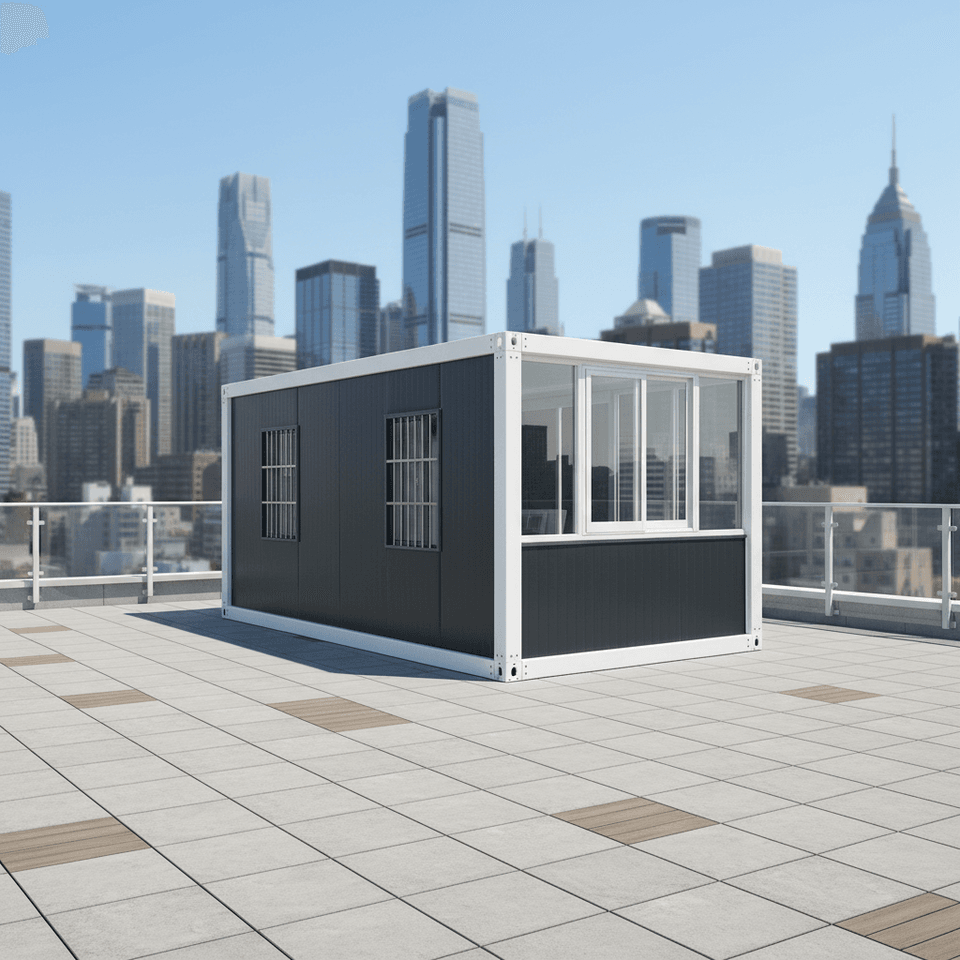
I. Basic Structure and Materials
The main structure of mobile toilets is typically made of high-strength fiberglass-reinforced plastic or stainless steel, featuring waterproof and corrosion-resistant properties to ensure long-term outdoor use. Some products are based on steel structural frames, with welding processes enhancing overall strength and stability, achieving a service life of up to 30 years. The main structure is divided into an outer frame and an inner cabin: the outer frame is mostly square or circular in design, with common dimensions of 1.2m × 1.5m × 2.2m, accommodating single-person use; the inner cabin's interior space must meet basic activity needs, with floors treated for slip resistance and waterproofing (such as anti-slip aluminum plates or tiles), and smooth, easy-to-clean walls. Some products support customization of colors and shapes to enhance visual appeal.
II. Core Functional Configurations
- Flush System: There are two types: manual and automatic. The manual version is activated by pressing a flush valve, while the automatic version is mostly sensor-based, requiring no contact and offering greater hygiene.
- Sewage Disposal Design: Equipped with independent sewage tanks and drainage ports, some products integrate odor control devices (such as activated carbon filters or U-shaped water seals). Sewage disposal options include water-flushing (relying on 220V voltage to drive pumps, requiring配套 [supporting] septic tanks or municipal sewage networks), bagging (sealing feces in biodegradable plastic bags for regular replacement), and microbial degradation (using special bacteria to decompose excreta, achieving waterless treatment, suitable for water-scarce or ecologically sensitive areas).
- Internal Facilities: Standard configurations include squat or sit toilets (optional based on needs), storage shelves, hooks, lighting fixtures (some with LED lights), and ventilation fans. Some high-end products also feature handrails, emergency call buttons, and other age-friendly designs.
III. Additional Practical Configurations
- Door Locks and Privacy: Equipped with lockable doors, some products add curtains or partition designs to ensure user privacy.
- Insulation/Heating: Mobile toilets used in winter may be fitted with insulation layers or heating devices to prevent water tank freezing and ensure normal operation in low-temperature environments.
- Signage and Cleaning Kits: External markings indicate “Men,” “Women,” or “Accessible” signs, while internal provisions include basic cleaning supplies like toilet paper and hand sanitizer. Some products also come with disinfectants or hand dryers.
IV. Design Principles
The design of mobile toilets must adhere to the principles of mobility convenience, economic durability, environmental ecology, and efficiency enhancement. The overall structure should be lightweight and durable, with controlled height and width to suit different transportation vehicles; the mobility devices must be complete and reasonable to ensure rapid deployment and retrieval; simultaneously, emphasis should be placed on environmental protection, prioritizing the use of biodegradable materials to reduce environmental impact.



