Mobile Toilet for Women (Related to Controversy)
The term 'mobile toilet for women' is primarily associated with the 'Dubai Mobile Toilet Party' controversy and has no direct technical or product-related connection to mobile toilets themselves.

Background and Core Controversy
The 'Dubai Mobile Toilet Party' controversy involved Ukrainian female model Maria Kovalchuk. According to reports, she was invited to a party themed around 'mobile toilets,' but the actual event included extremely humiliating activities that caused severe physical and mental harm, even leading to paralysis from her injuries. This incident sparked widespread international discussion on women's rights protection and ethical issues surrounding special parties. It is important to clarify that the 'mobile toilet' in this event was merely a gimmick for the party theme and has no relation to the technical attributes of public sanitation facilities.
Standard Definition and Technical Attributes of Mobile Toilets
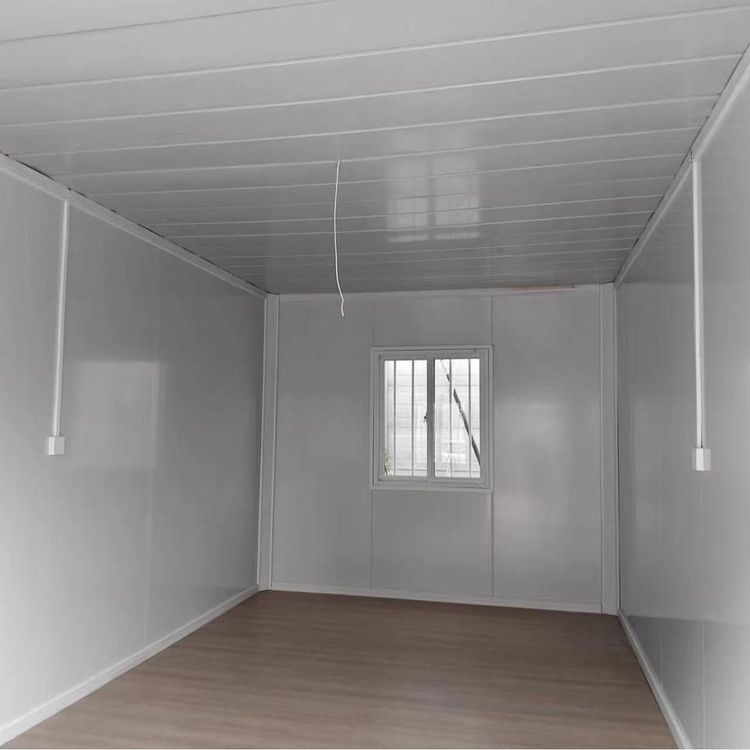
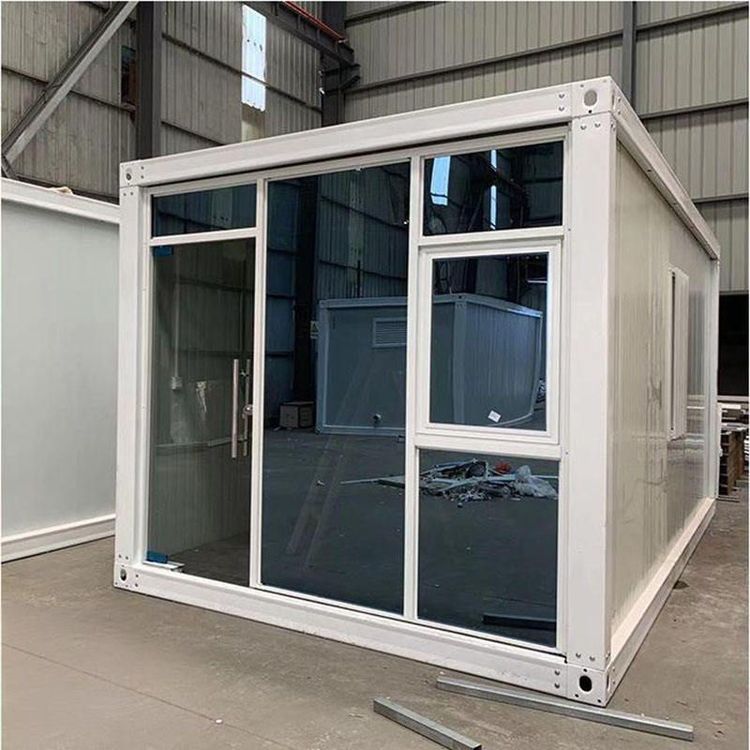
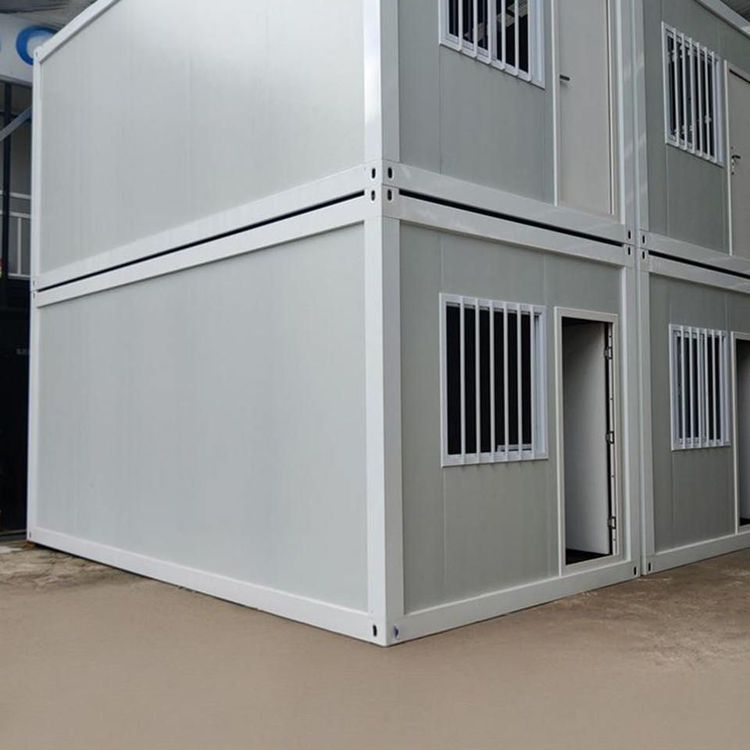
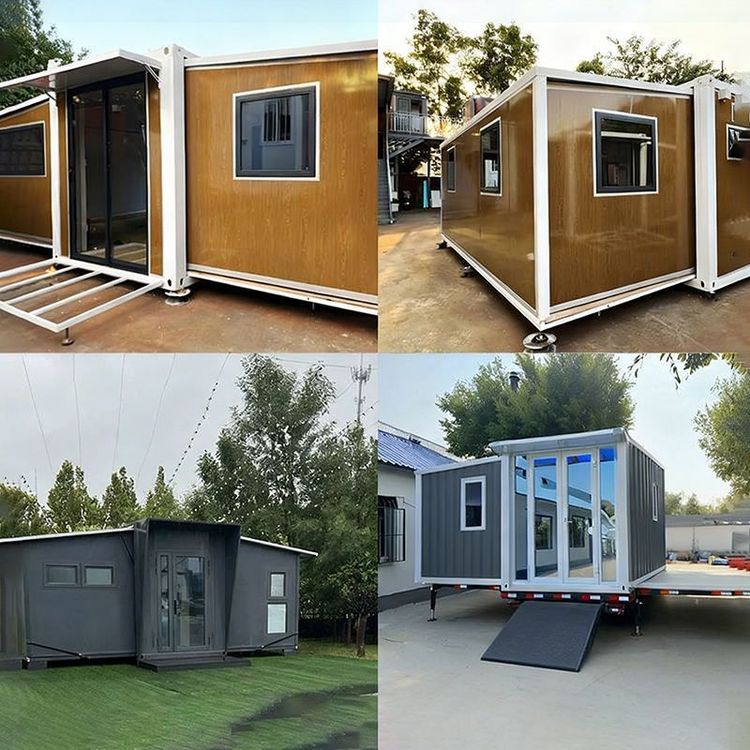
Mobile toilets are portable public sanitation facilities commonly used for temporary events, disaster relief, or supplementary public areas. Their key features include:
- Structural Flexibility: Utilizing lightweight materials (such as fiberglass-reinforced plastic or aluminum alloy) or foldable designs for easy transportation and installation;
- Environmental Technology: Some models are equipped with biodegradation systems or recirculating water treatment devices to reduce sewage discharge;
- Functional Diversity: Categorized into standard, barrier-free, and maternal-infant types based on needs, with some high-end models featuring air conditioning and deodorization systems.
Suggestions for Information Acquisition
To learn about the technical specifications or product details of mobile toilets, you can use the following resources:
- Wholesale Platforms: Websites like Alibaba and JD Industrial allow you to check specifications, prices, and supplier information for different models;
- Design Tutorials: Some engineering websites (such as Civil Engineering Network) provide design drawings and construction guides for mobile toilets;
- Industry Standards: Refer to norms like the 'Urban Public Toilet Design Standard' (CJJ 14-2016) to understand hygiene, safety, and environmental requirements.
Summary: The controversy surrounding 'mobile toilet for women' stems from a specific social incident, while mobile toilets themselves are technically mature public sanitation facilities. Understanding the distinction between the two helps avoid conceptual confusion, and addressing both women's rights protection and public sanitation development are independent but important issues.