
Mobile Toilet for Railway Stations
Mobile toilets are widely used at railway stations, offering advantages such as flexible deployment, environmental protection, energy efficiency, and comprehensive functionality. They effectively alleviate sanitation pressure during peak passenger flow periods and adapt to the special usage needs of railway stations.
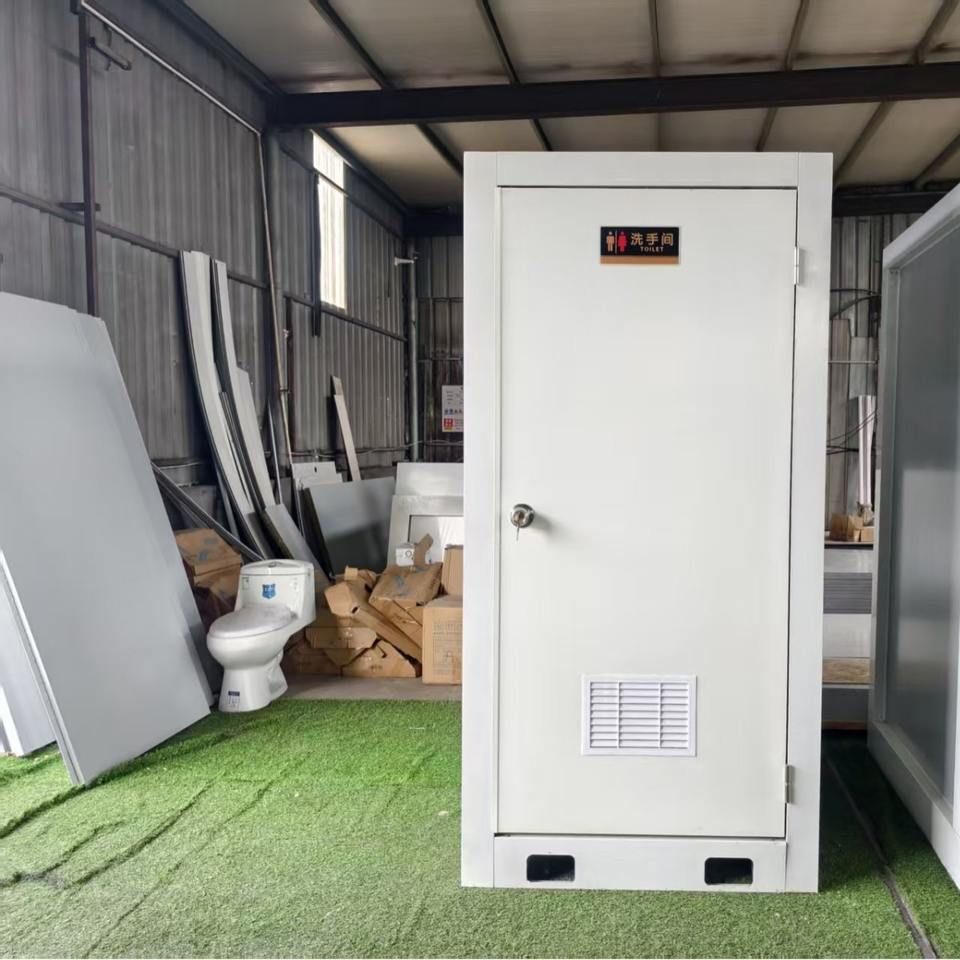
Flexible Deployment and Functional Supplement
Mobile toilets can quickly supplement the shortage of fixed restrooms at railway stations, especially during peak periods like the Spring Festival travel rush and holidays, by temporarily adding units to reduce queuing pressure. Their mobility allows them to be flexibly adjusted according to passenger flow distribution, such as being temporarily deployed in waiting halls, station squares, and other areas to meet short-term high-intensity usage demands. Additionally, when railway stations face land constraints or require short-term renovations, mobile toilets can avoid the construction周期 and costs associated with fixed buildings, enabling rapid deployment.
Material and Design Adaptability
The main frames of mobile toilets often use eco-friendly materials such as carved panels and stainless steel plates, which combine corrosion resistance with structural strength. For example, the eco-friendly mobile toilet at Taixing Leak-Free Railway Station adopts a metal carved panel material with dimensions of 440020003050, an applicable temperature range of -20 to 50℃, and a voltage of 220v, ensuring stable operation under different climatic conditions. Its design emphasizes harmony with the railway station environment, supporting customizable exteriors to match architectural styles and enhance overall aesthetics.
Functional Configuration and User Experience
Core functional modules include drainage systems, exhaust fans, sensor lights, sinks, paper towel dispensers, and hand dryers, forming a complete sanitation unit. The internal space layout is reasonable, allowing multiple people to use it simultaneously and reducing queuing time. Some models adopt recycled water treatment technology, purifying handwashing water for toilet flushing to reduce water consumption; smart sensor devices (such as sensor lights and automatic flushing) minimize energy waste and enhance user convenience.
Environmental Protection and Economic Advantages
The environmental protection features of mobile toilets are significant: recycled water treatment technology reduces freshwater usage, making them suitable for water-scarce regions; their low power consumption meets energy-saving requirements. Prices vary based on materials, functions, and customization needs. For example, the foam-sealing mobile toilet in Shijiazhuang, Hebei, costs 1000 yuan per unit; the thickened color steel plate mobile toilet in Yinchuan, Ningxia, costs 1500 yuan per unit; and the waterless flush mobile toilet in Changzhou, Jiangsu, costs 800 yuan per unit, offering higher cost-effectiveness than fixed restroom renovations.
Maintenance Management and Long-Term Benefits
Modular design simplifies troubleshooting, allowing quick replacement of individual damaged components and reducing maintenance costs. Regular cleaning of the drainage system and replacement of sensor light batteries are key maintenance measures to extend service life. Suppliers (such as Changzhou Runlong Environmental Protection Technology Co., Ltd. and Ningxia Hanbangda Trading Co., Ltd.) offer customized services, adjusting dimensions, shapes, and functions according to railway station needs to further optimize the user experience.



