
Mobile Toilet for Men and Women
Mobile toilets can be designed specifically for men and women.
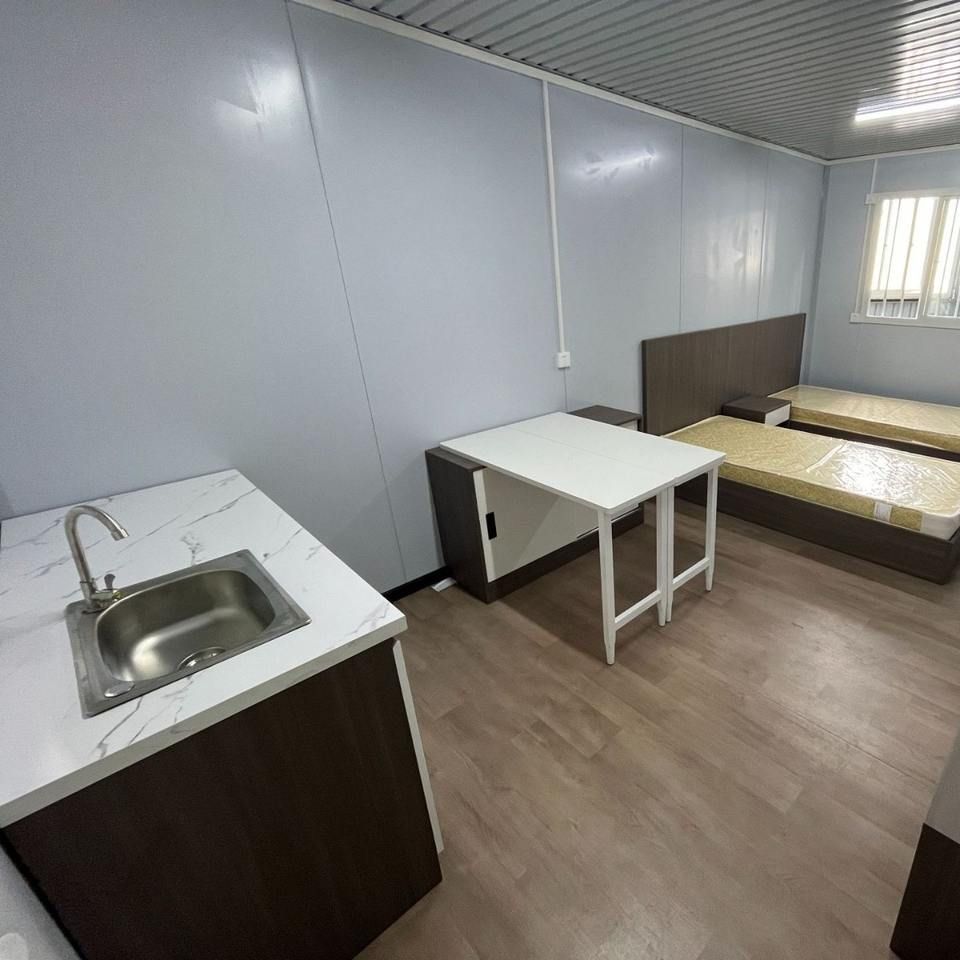
Mobile toilets, as facilities that can be moved as a whole and placed at locations with fixed or temporary needs to provide toilet services to the public and customers, are characterized by flexibility and convenience. In practical applications, to meet the needs of users of different genders and improve usage efficiency and comfort, mobile toilets can indeed be designed specifically for men and women.
Design Approach:
Economical and practical mobile toilets usually clearly distinguish between men's and women's toilets, with separate entrance doors for each. For example, an economical and practical mobile toilet with a gray and white color scheme takes gender differences into full consideration in its design. By setting up separate entrance doors for men's and women's toilets, it achieves physical separation between the two. This design approach not only conforms to social norms but also reflects respect and protection for users' privacy.
Internal Layout:
Inside mobile toilets designed specifically for men and women, the layout is also differentiated according to gender characteristics. Generally, women's toilets may have more squatting positions or sit-down toilets to meet the potentially longer toilet time needs of female users, while men's toilets may have a certain number of squatting positions and standing urinals to improve usage efficiency. In addition, both men's and women's toilets are equipped with corresponding sanitary facilities, such as sinks, mirrors, and hand dryers, to enhance the user experience.
Application Scenarios:
Mobile toilets designed specifically for men and women are widely used in various places that require temporary or fixed toilet facilities, such as large event venues, construction sites, and tourist attractions. In these places, due to high foot traffic and frequent usage, setting up mobile toilets designed specifically for men and women can effectively alleviate the problem of difficult toilet access and improve public sanitation standards.



