
Mobile Toilet for Home Outdoor Use
Mobile toilets have certain applicability in home outdoor settings, but it is necessary to choose the appropriate type based on actual needs and site conditions.
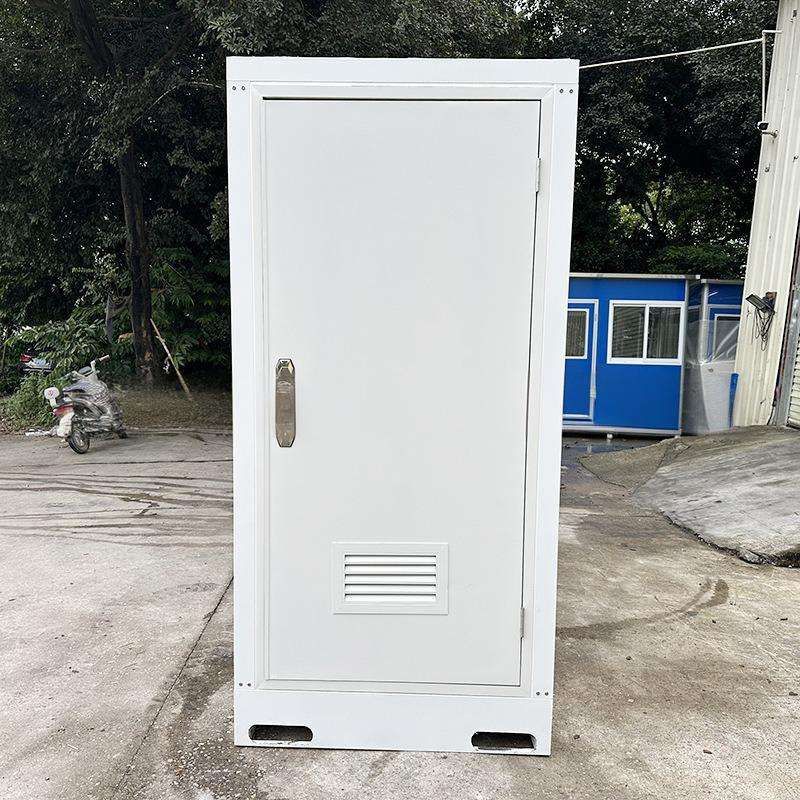
Mobile toilets are portable facilities designed to meet toilet needs in temporary or fixed locations. Their core advantages lie in portability, modularity, and ease of transportation, enabling flexible adaptation to different scenarios. For home outdoor settings, their applicability is mainly reflected in the following aspects:
1. Structural Types and Functional Adaptability
Mobile toilets are divided into single-unit and composite structures based on their design. Single-unit structures (such as standalone stalls) occupy a small area and are suitable for family courtyards or small outdoor spaces. Composite structures can combine multiple functional modules. If a family has shower needs, a well-decorated grid-style standalone stall can be chosen to accommodate both toilet and shower functions. Additionally, some products (such as the galvanized steel-frame mobile toilets produced by Dezhou Hongtu Metal Products Co., Ltd.) use high-strength materials, have aesthetically designed exterior panels, and have a service life of over 15 years, meeting long-term home use needs.
2. Mobility and Site Adaptability
The mobility methods of mobile toilets include lifting, portable, and powered towing types. For home settings, lifting or portable types are usually chosen, allowing position adjustments with forklifts or manual labor, suitable for courtyards or campsites that require frequent layout changes. If a family has vehicle towing capabilities, the powered towing type can further expand the range of use, such as serving as an accessory to recreational vehicles.
3. Sewage Treatment Methods and Environmental Friendliness
For home outdoor mobile toilets, sewage treatment methods are a key consideration:
- Flush and non-flush suction types: Require connection to a water source or regular suction of fecal sewage, suitable for fixed locations with water and electricity.
- Recirculating flush type: Reuses water resources through a filtration system, reducing water consumption, suitable for areas with limited water resources.
- Dry-pack type: Does not require a water source; feces are collected in biodegradable bags, making disposal convenient and odor-free. This is the most environmentally friendly option, especially suitable for remote areas without sewer systems.
4. Practical Selection Recommendations
When choosing a mobile toilet for home use, it is necessary to comprehensively evaluate usage frequency, space size, budget, and maintenance costs. For example, in high-frequency usage scenarios, it is recommended to choose durable metal-frame products; when space is limited, prioritize single-unit structures; if environmental protection is a priority, choose the dry-pack type. Additionally, it is necessary to plan in advance for water and electricity connections (if flush functionality is required) and fecal disposal solutions to ensure long-term convenience of use.



