Mobile Toilet vs. Home Bathroom
Generally, mobile toilets cannot be directly used as home bathrooms. The following is a detailed analysis from several aspects:
Differences in Applicable Scenarios
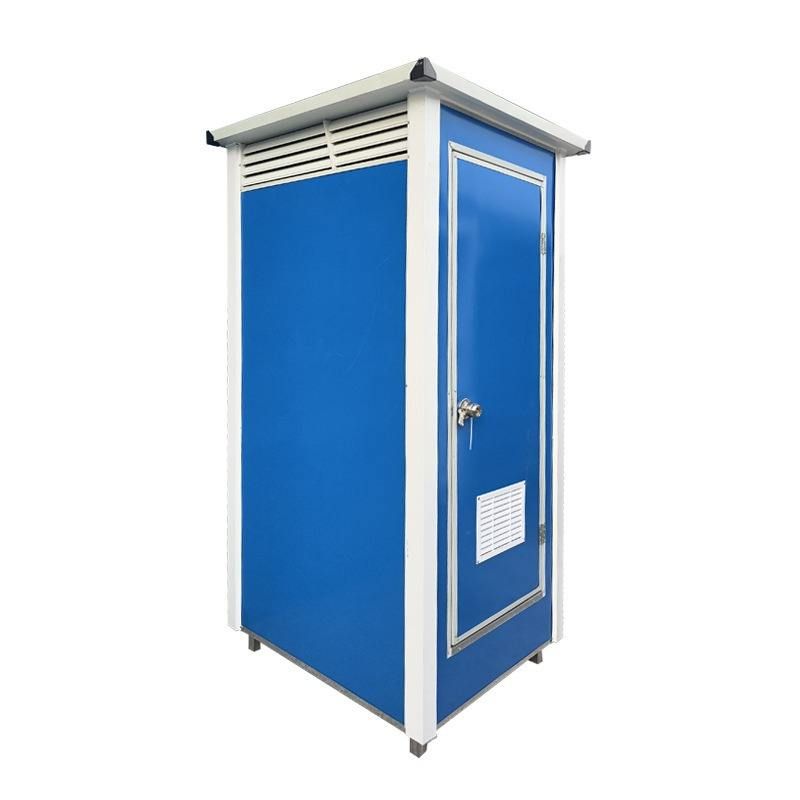
Mobile toilets are mainly suitable for stations, docks, tourist attractions, newly-built residential areas, large construction sites, squares, densely populated public places, and bustling commercial streets. These places have a large flow of people, and the demand for sanitary facilities is characterized by temporariness and concentration. In contrast, home bathrooms are fixed spaces for daily family life, with a relatively stable frequency of use. They also have high requirements for comfort, privacy, and coordination with the overall interior decoration style of the family. The original design intention of mobile toilets is not for the home environment, so it is difficult for them to meet the long-term use needs of families in terms of functionality and user experience.
Structural and Functional Characteristics
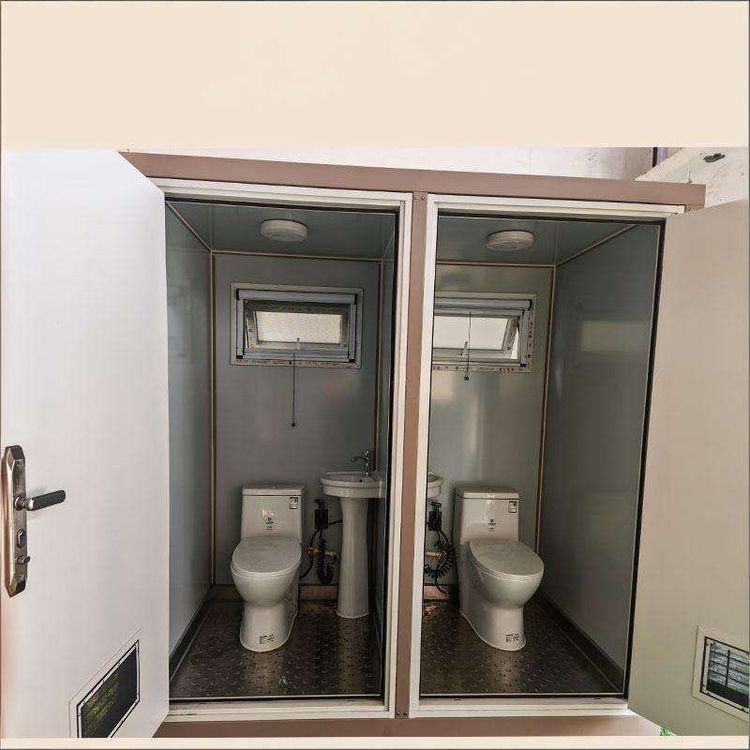
Mobile toilets are generally composed of fecal sewage storage tanks (or fecal sewage treatment devices), floor slabs, sanitary ware, walls, washing equipment, water tanks, roofs, and mobile devices. Their focus is on mobility and the ability to be rapidly deployed in different places. For example, an economical and practical mobile toilet is designed with 8 squatting positions, and conventional mobile toilets have separate male and female areas with individual rooms. These designs are mainly to meet the usage needs of a large number of people in public places, which is inconsistent with the characteristics of home bathrooms that usually have one or two squatting positions or toilets and emphasize personal usage space and comfort.
Sewage Treatment Methods
Mobile toilets are classified into water-flush and non-water-flush suction-type mobile toilets, circulating water-flush mobile toilets, and dry-packing mobile toilets according to sewage treatment methods. These treatment methods can work well in public places but may have some problems in the home environment. For example, dry-packing mobile toilets require regular cleaning of the packed feces, which is inconvenient to operate and may generate odors. If a water-flush mobile toilet is connected to the existing sewage discharge system in the home, complex modifications may be required, increasing usage costs and difficulties.