
Back to blog
Article
Mobile Toilet Foam Production (Non-standardized 'Wild' Methods Not Recommended)
Admin October 09, 2026
The production of foam-based mobile toilets should adhere to professional design specifications. Currently, there are no publicly available 'wild' production methods, and it is recommended to follow standardized technical processes for规范化 design.
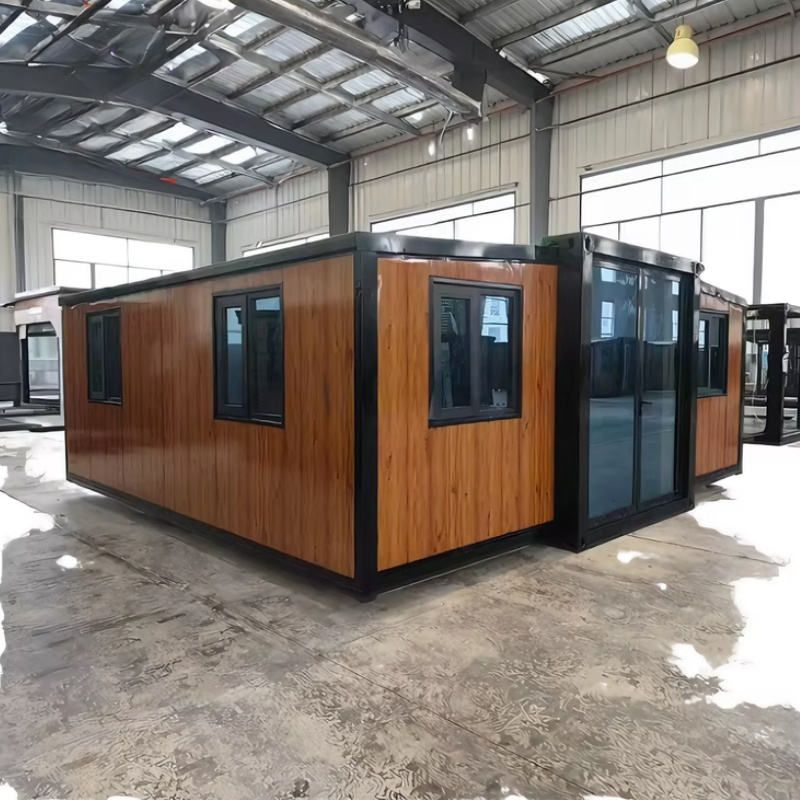
I. Core Components and Working Principles
The core of foam-based mobile toilets lies in replacing traditional flushing with a foam system, whose key components include:
- Foam System: A gas-liquid mixing device combines foam solution, water, and compressed air to generate a dense foam layer that covers excreta. Each use consumes only 0.04 liters of water, achieving a water-saving rate of 80%-96%.
- Toilet Body Structure: Constructed using lightweight materials (such as color-coated steel plates and aluminum-plastic panels), it integrates a toilet bowl, sewage storage tank, and ventilation and deodorization devices internally, ensuring mobility and structural stability.
- Control System: A microcomputer automatically regulates foam frequency, lighting, and ventilation to maintain foam stability and reduce odor diffusion.
- Sewage Storage and Treatment: Excreta enters a sealed sewage storage tank. When full, it needs to be transported by a sewage suction truck to designated locations to avoid direct discharge and environmental pollution.
II. Production and Installation Technical Points
- Material Selection: Prioritize lightweight and corrosion-resistant materials such as anticorrosive wood and aluminum-plastic panels, balancing durability and portability for rapid deployment in outdoor settings.
- Foam Solution Formula: It should possess high strength and long-lasting lubricity to avoid clogging pipelines or corroding equipment. It is recommended to refer to professional manufacturer formulas or select environmentally friendly foam agents.
- Sealing Design: Through the collaborative action of flexible sealing devices (such as silicone sealing rings) and ventilation systems, control the leakage of odors such as ammonia and hydrogen sulfide to ensure air quality standards are met.
- Power and Consumables Management: Rely on a stable power supply. Regularly inspect the status of air pumps and pipelines, and replenish foam solution to avoid service disruptions due to consumable shortages.
III. Application Scenarios and Maintenance Requirements
- Applicable Scenarios: Temporary locations lacking fixed sewage pipelines, such as construction sites, outdoor events, and tourist attractions. They can be used in conjunction with water-flush toilets to enhance sanitation guarantees.
- Maintenance Focus: Daily cleaning of toilet bowl residues, monitoring the liquid level in the sewage storage tank, regularly replacing the foam solution, and inspecting equipment sealing to ensure long-term stable system operation.
Note: Self-made foam-based mobile toilets carry technical risks (such as sealing failures and odor diffusion). It is recommended to contact professional manufacturers (such as Cangzhou Hengtai Sanitation Equipment Co., Ltd.) for customized solutions or conduct standardized designs based on existing technical principles.
Related



