
Mobile Toilet - Flush Type
Flush-type mobile toilets are a type of mobile toilet classified by sewage treatment method.
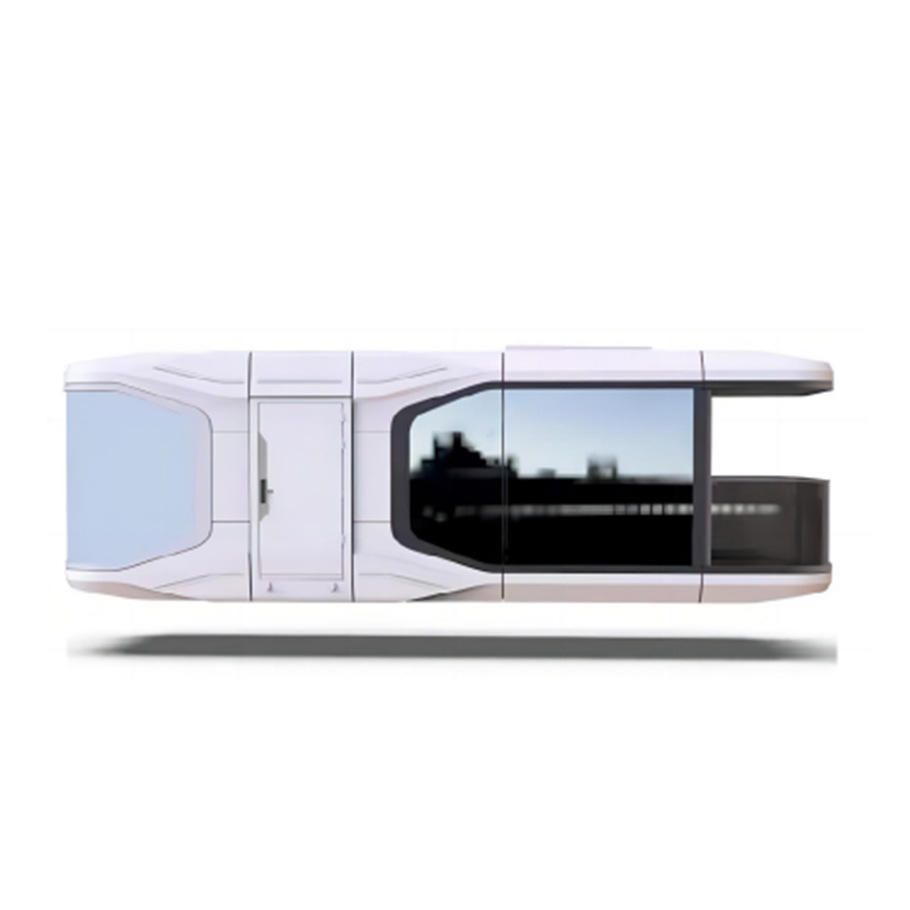
I. Basic Characteristics
The core feature of flush-type mobile toilets is that they use water flushing to clean excreta, requiring a配套 (matching, here it should be understood as '配套的' meaning '配套的上下水系统', translated as '配套 water supply and drainage system') water supply and drainage system as well as municipal sewage pipe networks. This design makes them closer to the user experience of traditional fixed toilets, but the infrastructure construction cost is relatively high, necessitating advance planning of pipe layouts and sewage treatment interfaces. Their operation relies on a stable water supply and is suitable for scenarios with infrastructure conditions such as city parks and large event venues.
II. Water-saving Technology Optimization
To reduce water consumption, some flush-type mobile toilets achieve efficient water saving through technological improvements. For example, some models automatically collect hand-washing water (such as sink drainage) and add special agents, reducing the amount of water used for flushing to only 0.46 liters per person, significantly lower than that of traditional toilets. This design reduces reliance on municipal water supplies while ensuring cleaning effectiveness by recycling non-potable water.
III. Recirculating Flush Technology
More advanced recirculating flush-type mobile public toilets further break through water resource limitations. They are equipped with intermittent aerobic and anaerobic treatment devices, accelerating the decomposition process of fecal sewage by adding biological strains and using biofilm technology. The treated water meets recirculation standards and can be reused for flushing, forming a closed-loop system. Such toilets are especially suitable for water-scarce areas or temporary large events, meeting sanitation needs while avoiding the environmental impact of sewage discharge.
IV. Application Scenarios and Limitations
The applicability of flush-type mobile toilets is constrained by infrastructure conditions. In areas covered by municipal pipe networks, their advantages of high cleanliness and good user experience can be fully utilized; however, in remote areas or temporary venues, high infrastructure construction costs may pose obstacles to promotion. Additionally, although recirculating flush types can reduce water consumption, they require regular maintenance of biological treatment systems to ensure strain activity and equipment stability, placing higher demands on operational management capabilities.
V. Environmental Significance
Through water-saving and recirculation technologies, flush-type mobile toilets reduce water waste and sewage discharge while ensuring public sanitation. Their technological evolution reflects the combination of environmental protection concepts and practical needs, providing an innovative path for the sustainable development of mobile toilets.



