
Back to blog
Article
Mobile Toilet Floor Tiling
Admin October 02, 2026
For mobile toilet floor tiling, materials such as full-body tiles, mosaic tiles, antique tiles, or matte tiles can be selected. The choice should be based on anti-slip requirements, usage scenarios, and budget, with attention to construction details.
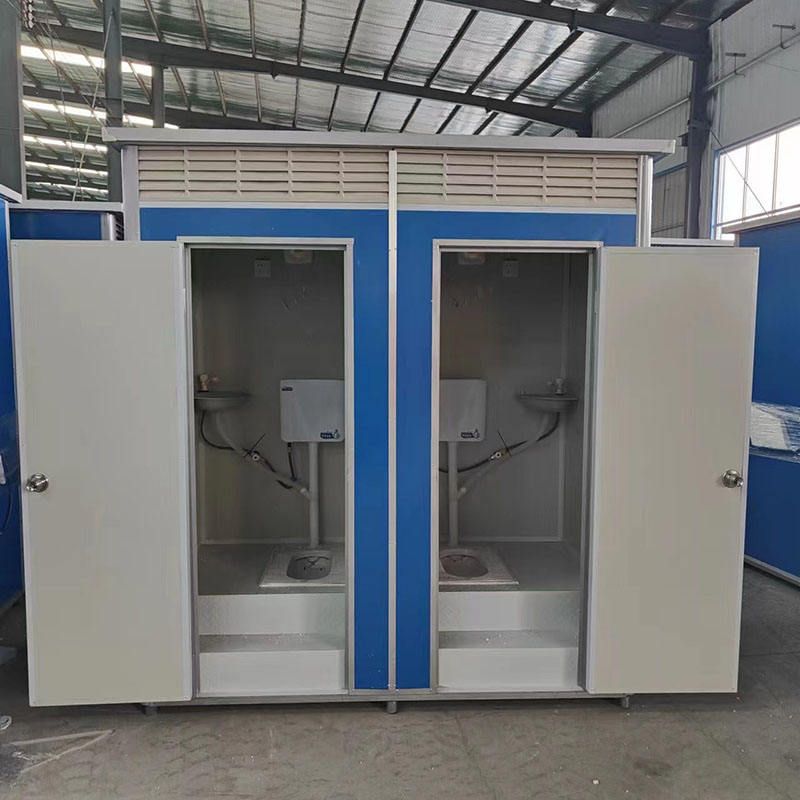
I. Material Selection and Anti-Slip Performance
- Full-Body Tiles: These tiles have a rough surface, low water absorption, and strong wear resistance, with outstanding anti-slip performance, especially suitable for humid environments. Their anti-slip effect remains stable over the long term, making them the first choice for high-frequency usage scenarios.
- Mosaic Tiles: The segmented design increases friction, providing good anti-slip performance. However, they have more gaps and require regular cleaning to prevent dirt buildup.
- Antique/Matte Tiles: These tiles have a textured or matte surface, offering both anti-slip properties and easy cleaning, with high cost-effectiveness, suitable for scenarios requiring both aesthetics and practicality.
- Other Materials:
- Flamed Slabs: Formed by flame spraying to create a litchi surface effect, these slabs have excellent anti-slip performance and are commonly used for bathroom floors.
- Marble Anti-Slip Floors: Anti-slip grooves are cut to enhance friction, but the cost is higher, suitable for high-end scenarios.
- Pebble Floors: Paved with natural stones, these floors have significant anti-slip effects and strong decorative properties, but their uneven surface may affect comfort.
II. Key Construction Considerations
- Slope Design: When laying tiles, ensure the mortar layer has a slope of 1%-2% to facilitate drainage and prevent slipping or odors caused by water accumulation.
- Protection of Key Areas: If there is a squat toilet, start tiling from around it to avoid scratching the equipment surface with construction tools.
- Edge Treatment: Compact the tile layer at the doorway and apply waterproof materials (such as polyurethane coating) later to prevent water seepage and structural damage.
III. Brand and Process Recommendations
Prioritize brands like Marco Polo, Dongpeng, and Nobel, whose products use microcrystalline glass glaze or textured processes to further enhance anti-slip properties and durability. For example, microcrystalline glass glaze reduces water stains, while textured surfaces enhance friction through physical structure.
IV. Cost-Effective and Scenario-Specific Solutions
- High-Frequency Usage Scenarios (such as scenic spots, construction sites): Full-body tiles are the first choice, balancing anti-slip and wear resistance.
- Low-Frequency or Temporary Scenarios: Antique or matte tiles can be selected to balance cost and performance.
- High-End Custom Scenarios: Consider flamed slabs or marble anti-slip floors, but budget increases are required.



