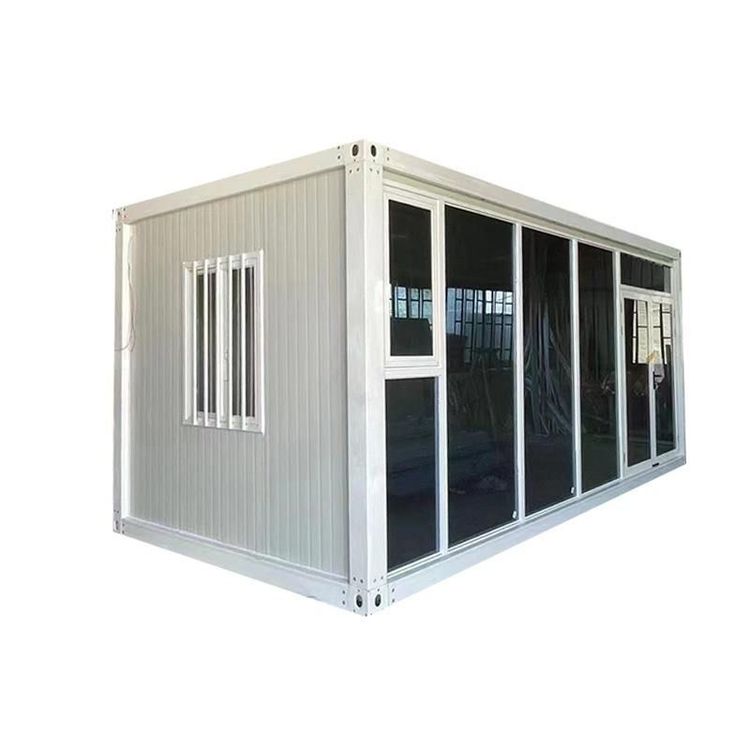
Mobile Toilet Floor Tile Brand Recommendation
It is recommended to choose brands such as Marco Polo, Dongpeng, and Nobel for mobile toilet floor tiles. These brands excel in slip resistance, durability, and craftsmanship design, making them suitable for high-frequency usage scenarios.

1. Marco Polo: Microcrystal Glass Glazing Technology Enhances Slip Resistance
Marco Polo floor tiles employ microcrystal glass glazing technology, which forms a microcrystalline structure on the glaze surface through high-temperature firing. The surface roughness is moderate, effectively increasing friction without causing cleaning difficulties due to excessive unevenness. Its slip resistance coefficient reaches R10 or above (international standard), maintaining stable grip even in wet conditions and reducing the risk of slipping. Additionally, the microcrystal glass material is highly hard (Mohs hardness 6-7), offering superior wear resistance compared to ordinary ceramics, making it suitable for frequent foot traffic in mobile toilets.
2. Dongpeng: 3D Textured Design Reinforces Durability
Dongpeng floor tiles utilize 3D textured technology, creating regular wave-like or granular protrusions on the tile surface to further enhance slip resistance. This design not only increases the friction coefficient but also disperses pressure, reducing localized wear. Their products have undergone 15,000 abrasion resistance tests (national standard is 5,000), showing no significant scratches on the surface, making them suitable for long-term use in public places. Moreover, the textured surface can hide minor stains, reducing cleaning frequency and lowering maintenance costs.
3. Nobel: Composite Technology Balances Slip Resistance and Aesthetics
Nobel floor tiles combine nano slip-resistant coatings with stone-like textures, ensuring slip resistance while enhancing visual appeal. The nano coating fills the micro-pores on the tile surface, forming a dense waterproof layer that prevents sewage penetration, mold, or odors. The stone-like texture is reproduced using high-definition inkjet technology, meeting the aesthetic demands of mobile toilets. Furthermore, these tiles have a water absorption rate below 0.5% (national standard is ≤0.5%), offering strong stain resistance and suitability for humid environments.
4. Summary of Technological Advantages
The aforementioned brands all adopt high-temperature firing technology (above 1200°C), ensuring dense tile bodies without pores to prevent sewage penetration. They also enhance surface hardness through glaze strengthening technology, reducing wear. For mobile toilets, these technologies can extend the tile lifespan to over 10 years, reducing replacement frequency and lowering overall costs.
5. Purchase Recommendations
- Slip Resistance First: Choose products with a slip resistance coefficient of ≥R10, paying special attention to whether the glaze or texture design is optimized for wet conditions.
- Durability Verification: Check the product's abrasion resistance test data and prioritize tiles certified under the ISO 10545-7 standard.
- Cleaning Convenience: Avoid overly uneven textures that may trap dirt; microcrystal glass or nano coatings can simplify the cleaning process.
Through the above brand and technological analysis, the core needs of mobile toilets for slip resistance, durability, and easy maintenance can be effectively addressed.