
What Materials Are Used for Mobile Toilet Floors
Common materials for mobile toilet floors include non-slip tiles, reinforced concrete, non-slip patterned aluminum plates, or rubber floors, with some high-end versions also incorporating fiberglass-reinforced plastic (FRP) anti-corrosion layers. Here is a detailed introduction to these materials:
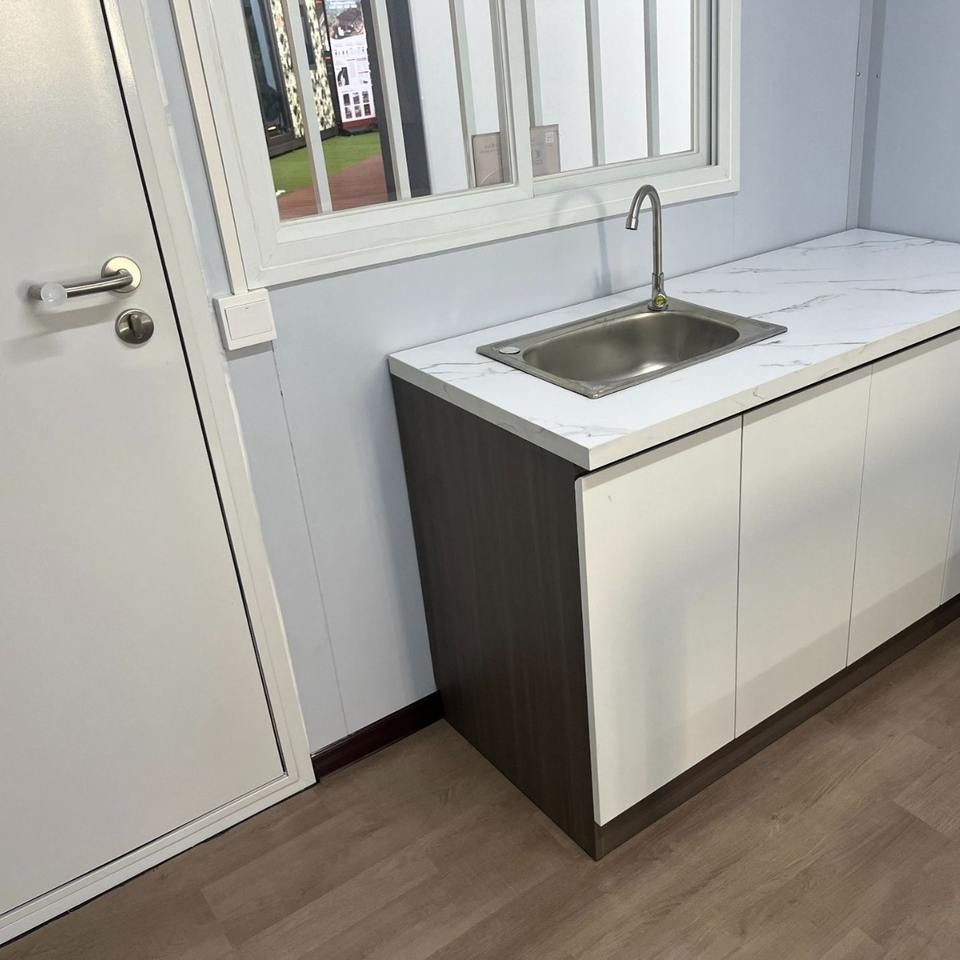
Non-slip tiles: Non-slip tiles are one of the common choices for mobile toilet floors. Their surfaces are specially treated to have a high coefficient of friction, effectively preventing people from slipping during use and ensuring safety. At the same time, tile materials are easy to clean; they can be kept clean and tidy simply by wiping with water or regular cleaning agents, reducing bacterial growth. Additionally, non-slip tiles are highly durable, able to withstand frequent foot traffic and daily wear and tear, with a relatively long service life.
Reinforced concrete: Reinforced concrete floors have high strength and stability, capable of bearing heavy loads, making them suitable for mobile toilets that need to support heavy objects. Their sturdy structure is not easily deformed, providing reliable support for the entire toilet. Moreover, reinforced concrete materials have good durability, able to resist erosion from natural elements such as wind, sun, and rain, reducing maintenance costs. However, the surface of reinforced concrete floors is relatively smooth and requires anti-slip treatment, such as laying anti-slip mats or applying anti-slip coatings, to prevent people from slipping.
Non-slip patterned aluminum plates or rubber floors: Non-slip patterned aluminum plates have advantages such as being lightweight, having high strength, and being corrosion-resistant. The patterned design on their surfaces increases friction, providing good anti-slip effects. At the same time, aluminum plate materials are easy to process and install and can be customized according to the size and shape of the mobile toilet. Rubber floors, on the other hand, have good elasticity and anti-slip properties, providing users with a comfortable foot feel and reducing fatigue during walking. Additionally, rubber floors have some soundproofing effects, reducing noise interference inside the mobile toilet.
Fiberglass-reinforced plastic (FRP) anti-corrosion layer: In some high-end mobile toilets, an FRP anti-corrosion layer is added to the chassis. FRP has excellent corrosion resistance, able to resist erosion from various chemicals and extending the service life of the mobile toilet. At the same time, FRP materials are lightweight and do not add excessive weight, facilitating the transportation and installation of the mobile toilet.



