How to Waterproof the Flat Roof of a Mobile Toilet
Waterproofing the flat roof of a mobile toilet requires a comprehensive approach involving material selection, key area design, regular maintenance, and proper site selection. Specific measures are as follows:

1. Prioritize the use of materials with excellent waterproofing properties
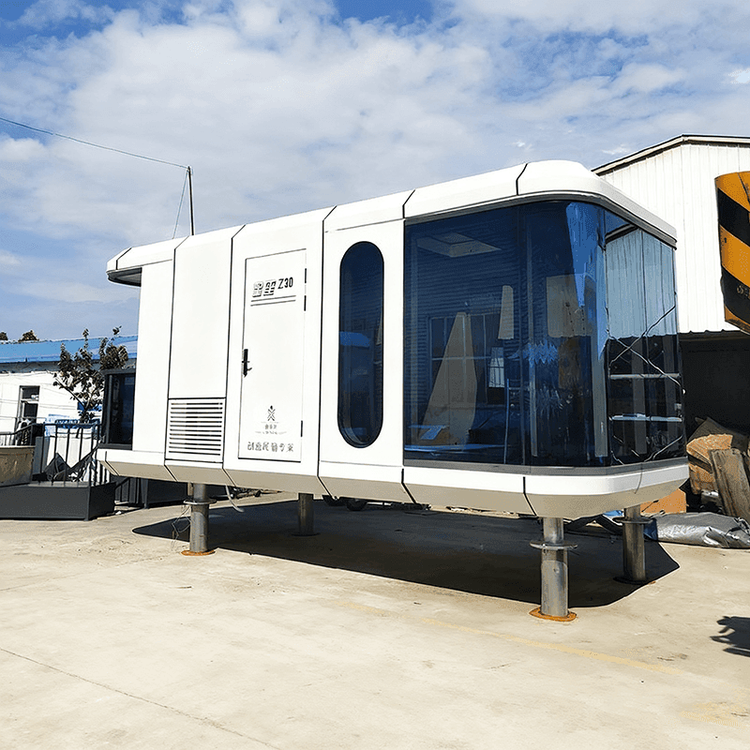
The foundation of flat roof waterproofing lies in material selection. When constructing, use specialized materials such as waterproof glue, waterproof coatings, waterproof rubber, or waterproof asphalt. These materials have low water absorption rates and high weather resistance, effectively blocking rainwater penetration. For example, waterproof coatings can form a continuous elastic membrane layer that adapts to minor deformations of the flat roof; waterproof asphalt tightly bonds with the base layer through hot-melt processes, creating a long-lasting waterproof barrier. If the mobile toilet is produced by a reputable manufacturer, the flat roof typically uses thickened eco-friendly resin materials with a smooth surface and built-in waterproof layer, but care should be taken to avoid scratches from sharp objects.
2. Strengthen waterproofing design in key areas
The weak points of flat roofs are concentrated at the joints and drainage systems.
- Joint treatment: Sealant strips or silicone sealants should be used to fill gaps at the connections between the flat roof and walls, as well as at panel joints, ensuring complete closure of the seams. The sealing materials should possess aging resistance and elastic recovery properties to accommodate expansions and contractions caused by temperature changes.
- Drain protection: If the flat roof is equipped with drains or pipes, install waterproof membranes or specialized waterproof bags at the interfaces to prevent rainwater backflow. Additionally, the drainage slope should be designed at 2%-3% to ensure rapid drainage of rainwater and avoid long-term pressure on the flat roof from accumulated water.
3. Establish a regular maintenance and inspection mechanism
The lifespan of the waterproof layer is significantly affected by environmental factors, necessitating regular inspections and maintenance:
- Sealant inspection: Check the sealant strips every six months for cracks or detachment, and replace them promptly if signs of aging are detected.
- Drainage system cleaning: Clear debris such as leaves and mud from drains and pipes monthly to prevent blockages that can lead to water accumulation.
- Surface cleaning: Regularly remove dust and stains from the flat roof to prevent corrosive substances from damaging the waterproof layer.
4. Proper site selection and usage norms
The installation location of outdoor mobile toilets directly impacts their waterproofing effectiveness:
- Terrain selection: Prioritize sites with higher elevation and good drainage to avoid long-term water accumulation and penetration in low-lying areas.
- Sun protection measures: If exposed to direct sunlight for extended periods, install sunshades or apply reflective coatings to reduce the aging effects of ultraviolet rays on the waterproof materials.
- Response to extreme weather: Before heavy rain, inspect the drainage system to ensure it is unobstructed; promptly remove snow after snowfall to prevent meltwater infiltration.
Note: Even with products from reputable manufacturers, the waterproof layer may still develop leaks due to material aging after extreme weather conditions (such as continuous heavy rain or typhoons) or prolonged use. In such cases, contact professional personnel for repairs to avoid secondary damage caused by improper handling.