
Mobile Toilet Fixation Solution
The fixation solution for mobile toilets should be selected based on the usage scenario, choosing between modular integrated technology or quick-connect systems, with specific details to be finalized by consulting suppliers or professional teams.
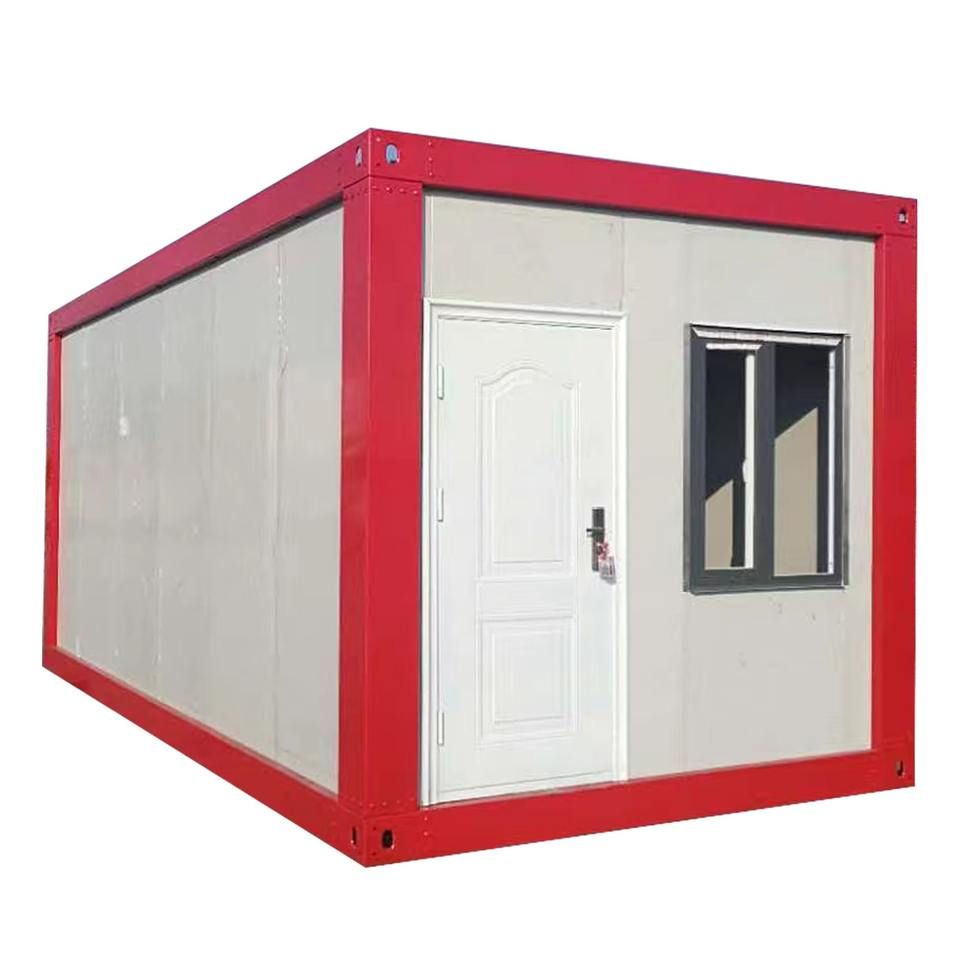
I. Modular Integrated Technology: Achieving Basic Fixation through Structural Reinforcement
For short- to medium-term fixation of mobile toilets (such as in scenic spots or construction sites), factory-preassembled modular box structures can be employed. These boxes are typically constructed from high-strength steel or aluminum alloy frames, with integrated wall panels, floors, and sanitary fixtures. Modules are connected as a whole using bolts or welding. Key fixation points include:
- Bottom Reinforcement: Add counterweights or concrete bases at the bottom of the box to stabilize it through gravity and prevent tipping. If the ground is soft soil, excavate a pit and pour a concrete foundation to anchor the box.
- Lateral Support: Install adjustable support legs around the box to expand the support area through hydraulic or mechanical means, enhancing wind resistance. If used near high-rise buildings, additional windbreak cables or ground anchors are required.
- Connection Sealing: Use waterproof sealing strips or silicone caulking between modules to prevent rainwater infiltration and structural corrosion. Maintenance access ports should also be reserved for future upkeep.
II. Quick-Connect System: Achieving Long-Term Fixation by Connecting to Ground Facilities
For long-term fixation (such as in public toilet renovations or transportation hubs), refer to the quick-connect technology of mobile restroom units to achieve a stable connection with ground facilities through pre-embedded water supply and drainage interfaces and electrical circuits. Specific steps are as follows:
- Pipe Embedding: Pre-lay drainage pipes, water supply pipes, and cable conduits at the installation location. The pipe interfaces must match the specifications of the mobile toilet's interfaces, with maintenance valves reserved.
- Positioning and Installation: Hoist the mobile toilet to the pre-embedded position and adjust its levelness using a laser level to ensure interface alignment. Use quick connectors (such as snap-on water pipe fittings and aviation plugs) to complete the water and electrical connections.
- Secondary Reinforcement: Apply structural adhesive or install expansion bolts at the contact surface between the box and the ground to further secure the box. If the ground is tiled or marble, lay anti-slip mats at the contact surface to reduce wear.
III. Recommendations for Solution Selection
The fixation solution for mobile toilets should be comprehensively decided based on the usage scenario, budget, and maintenance requirements. For short-term use, modular integrated technology is preferred due to its lower cost and ease of disassembly. For long-term use, a quick-connect system is recommended, which, although requiring a higher initial investment, offers more convenient maintenance in the later stages. Before implementation, confirm the box material, interface standards, and wind resistance rating with the supplier, and have the installation and commissioning completed by a professional team.



