
Mobile Toilet Fixation Measures
The fixation measures for mobile toilets are divided into two categories based on usage scenarios: outdoor rental fixation and long-distance transportation fixation. The specific methods are as follows:
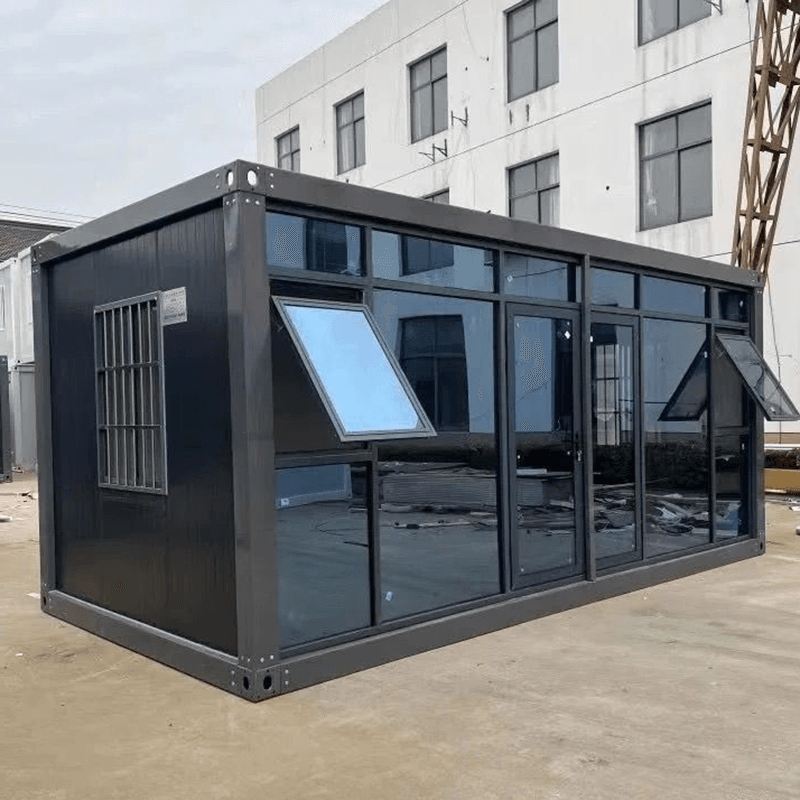
I. Fixation Measures for Outdoor Rental Scenarios
Site Selection and Foundation Inspection Choose a flat area with good drainage. If the ground is soft, use gravel or wooden planks to enhance load-bearing capacity. Also, inspect the integrity of the toilet's bottom support feet to avoid tilting or toppling due to uneven support.
Ground Anchor Fixation Method Use expansion screws or ground anchor pins at the four corners or load-bearing positions of the toilet to connect the fixing chains (straps) to the ground. The ground anchor depth should exceed 30 centimeters to ensure stability. If space permits, concrete blocks or counterweights can be inserted at the bottom to further increase resistance to overturning.
Windbreak Ropes and Diagonal Tension Fixation Install windbreak ropes at the top, with the other end fixed to ground stakes or heavy objects. In strong winds, adopt a 'well'-shaped diagonal tension method, using nylon ropes or steel cables to tighten the main body from multiple angles, dispersing the impact of wind forces on the structure.
Additional Counterweight Solutions Add heavy objects such as sandbags or water tanks inside or outside the toilet (e.g., place 2-3 sandbags weighing 20 kilograms each on both sides). The counterweights should be evenly distributed to avoid excessive local stress.
Regular Inspections and Emergency Reinforcement Inspect the fixing devices daily during events. Reinforce the windbreak ropes in advance when rain or strong wind warnings are issued. If slight tilting is detected, immediately stop using the toilet and re-fix it to ensure safety.
II. Fixation Measures for Long-Distance Transportation Scenarios
Secure Fixation Use high-strength ropes, steel straps, or dedicated fixing devices to firmly secure the toilet to the transportation vehicle, focusing on reinforcing the four corners and bottom. For small toilets, nylon straps with a width of ≥5 centimeters and a tensile strength of ≥5000 kilograms can be wrapped around the bottom or side fixing points and tied to the vehicle's fixing rings. For large toilets, it is recommended to use steel cables with a diameter of ≥8 millimeters, paired with professional clamps (at least 3 per fixing point, with a spacing of ≥6 times the diameter of the steel cable) to connect the sturdy parts to the vehicle's fixing points.
Protection and Cushioning Place 5-centimeter-thick non-slip rubber mats or foam boards at the contact points between the toilet and the vehicle to reduce displacement and collisions during travel. Seal the drainage and ventilation openings, and wrap internal vulnerable components (such as water tanks and sanitary ware) with bubble wrap for protection.
Appearance Protection Cover the toilet with canvas, plastic film, or a dedicated protective cover. Reinforce protruding parts such as door handles and identification signs to prevent damage from jolts during transportation.
Transportation Process Monitoring Assign a dedicated person or use GPS equipment to track the vehicle in real-time. The driver should drive smoothly, avoiding sudden braking or sharp turns, to ensure that the fixing devices remain effective throughout the journey.
The above measures should be selected based on specific scenarios, ensuring that the fixing tools are intact and the fixing points are secure. Regular inspections should be conducted during transportation.



