Material of Mobile Toilet Fecal Tank
The common materials for mobile toilet fecal tanks mainly include color-steel composite panels (or color-steel panels) and 304 stainless steel, and the specific choice depends on the toilet's design, usage scenario, and cost requirements. Here is a detailed explanation:

1. Color-steel composite panel or color-steel panel material
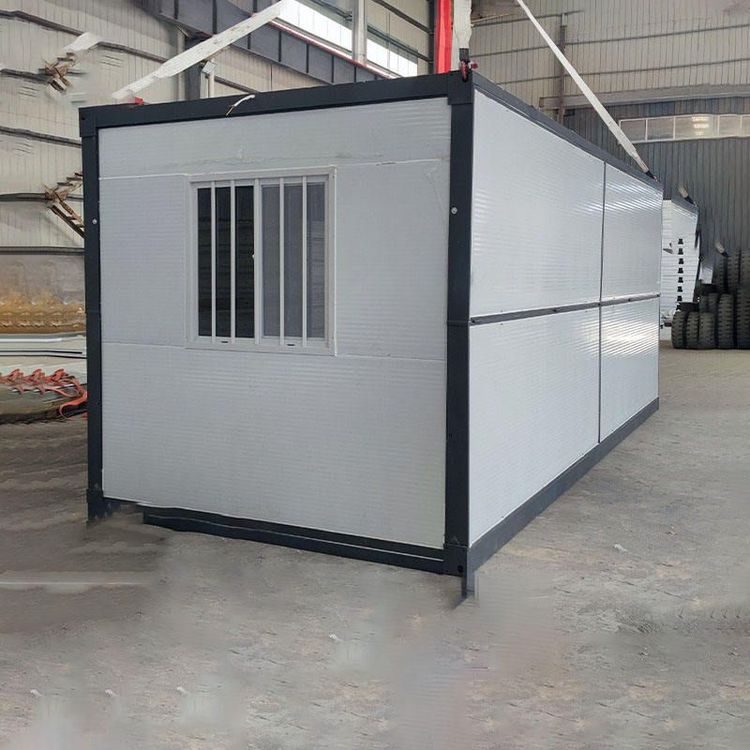
Some mobile toilet fecal tanks are assembled from color-steel composite panels or color-steel panels. These materials use color-coated steel sheets as the base material and are filled with insulation materials such as polyurethane and rock wool inside to form a composite structure. Their advantages lie in lower cost and convenient processing. They can be quickly assembled through modular design, making them suitable for temporary projects or those with limited budgets. Meanwhile, the surface coating of color-steel panels has a certain degree of corrosion resistance, which can extend the service life of the fecal tank. However, it should be noted that if the coating is damaged or the panels are in a humid environment for a long time, the steel sheets may oxidize and rust, leading to a decrease in structural strength, and regular maintenance is required. In addition, if the filling material inside the composite panel is not completely sealed, there may be a risk of odor leakage, which needs to be improved through process optimization (such as double-layer sealing design).
2. 304 stainless steel material
Another type of mobile toilet (such as the storage fecal tank配套的 [which means 'matching' or 'associated with' in Chinese, here it refers to the storage fecal tank that goes with the packaged squatting toilet] storage fecal tank for packaged squatting toilets) is constructed entirely from 304 stainless steel. 304 stainless steel belongs to austenitic stainless steel, containing more than 18% chromium (Cr) and more than 8% nickel (Ni), and has excellent corrosion resistance, impact resistance, and hygienic properties. Its surface is smooth and not prone to adhering to dirt, making it easy to clean and disinfect, and effectively inhibiting bacterial growth, meeting public health standards. At the same time, stainless steel has high strength and wear resistance, and can adapt to frequent movement or harsh environments (such as high humidity, strong acid and alkali), with a significantly longer service life than color-steel panels. However, its cost is relatively high, and professional equipment (such as laser cutting and argon arc welding) is required for processing, resulting in a relatively large initial investment. It is mostly used in high-end or long-term mobile toilet projects.
Material selection advice
If the project requires rapid deployment and has a limited budget, a color-steel composite panel fecal tank can meet basic needs, but waterproof and anti-corrosion treatment should be strengthened. If durability, hygiene, and long-term use value are pursued, a 304 stainless steel fecal tank is a better choice, especially suitable for high-frequency usage scenarios such as scenic spots and construction sites. When making actual purchases, it is recommended to conduct a comprehensive evaluation based on the specific usage environment, maintenance conditions, and cost budget.