
Back to blog
Article
Mobile Toilet Fecal Tank Cleaning
Admin October 09, 2026
The cleaning interval and method for the fecal tank of mobile toilets need to be determined comprehensively based on usage frequency, toilet type, and season, as detailed below:
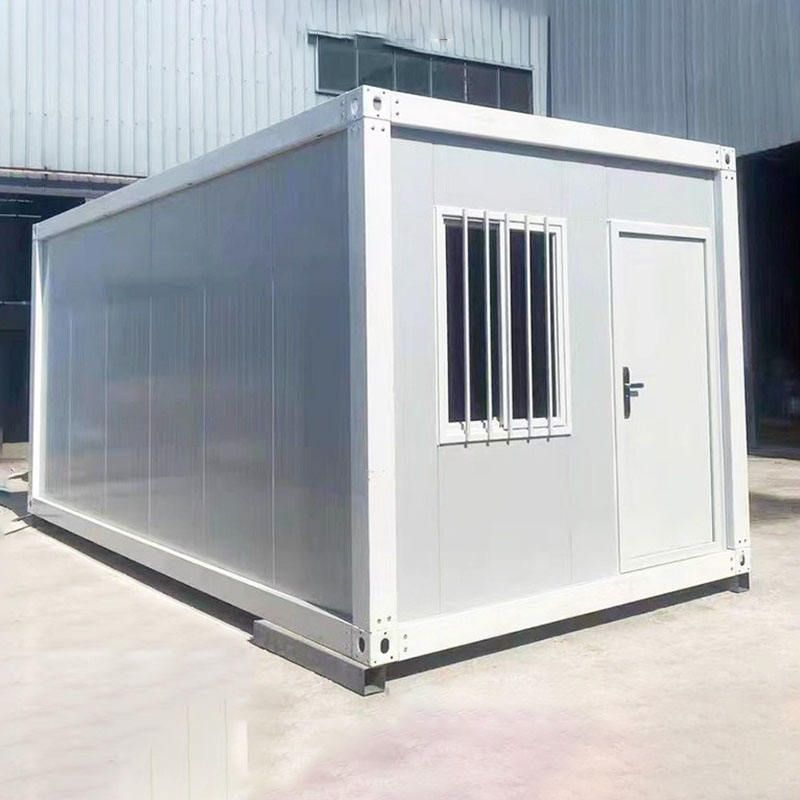
I. Factors Influencing Cleaning Cycles
- Usage Frequency: Foot traffic is a key factor. Mobile toilets in remote areas or low-frequency usage locations (such as small construction sites) have slower fecal tank capacity consumption, typically requiring cleaning every 1-2 months. In contrast, high-frequency usage locations like tourist attractions and stations may need the fecal tank cleaned 1-2 times a day during peak tourist seasons or large events to prevent overflow or odor diffusion.
- Toilet Type: Single-unit mobile toilets have smaller fecal storage tanks (approximately 50-200 liters), resulting in shorter cleaning cycles. Combined or multi-stall toilets can store over 500 liters of feces, allowing for longer cleaning cycles, but require monitoring of fecal levels through liquid level sensors or regular inspections to prevent overloading.
- Seasonal Factors: High summer temperatures accelerate bacterial growth and odor emission, necessitating a reduction in cleaning cycles to 1/2-2/3 of the original cycle. In winter, lower temperatures allow for longer cleaning intervals, but precautions must be taken to prevent fecal liquid from freezing and damaging equipment.
II. Common Cleaning Methods
Centralized Collection and Disposal:
- Operation Process: Before use, add deodorizers (such as quaternary ammonium compounds) and flocculants (such as polyacrylamide) to the fecal tank to reduce odors and fecal liquid mobility. After use, close the sealing valve to prevent leakage. Sanitation companies use vacuum sewage trucks to pump the feces into dedicated transfer tanks and transport them to sewage treatment plants or fecal disposal stations for harmless treatment.
- Applicable Scenarios: Suitable for most traditional mobile toilets, especially in areas without access to municipal sewage networks.
On-site Resource Utilization:
- Biodegradable Type: Built-in microbial agents (such as Bacillus and Actinomycetes) decompose feces into carbon dioxide, water, and a small amount of organic fertilizer through anaerobic/aerobic fermentation, eliminating the need for external transportation. Microbial agents need to be replenished every 3-6 months, and equipment operation status should be checked regularly.
- Applicable Scenarios: Ecologically sensitive areas or locations lacking collection and transportation facilities, such as wild research stations and nature reserves.
Chemical Degradation Treatment:
- Operation Principle: Add strong oxidizing agents (such as sodium hypochlorite and potassium peroxymonosulfate composite salts) to quickly kill bacteria and decompose organic matter, reducing odors and volume. Regularly replace the agents and monitor pH levels to prevent equipment corrosion.
- Applicable Scenarios: Temporary events or emergency scenarios, but long-term use may disrupt microbial balance and should be combined with other methods.
III. Precautions
After cleaning, thoroughly rinse and disinfect the fecal tank to prevent residue from corroding the equipment. For biodegradable toilets, avoid using chlorine-containing disinfectants to prevent killing beneficial bacteria. For chemical degradation treatment, strictly follow the recommended agent ratios to prevent secondary pollution caused by excessive use.
Related



