
Capacity of Fecal Tanks in Mobile Toilets
The capacity of fecal tanks in mobile toilets varies depending on the model and design, typically ranging from 60 to 400 liters, with specifics depending on the type of toilet and usage scenario.
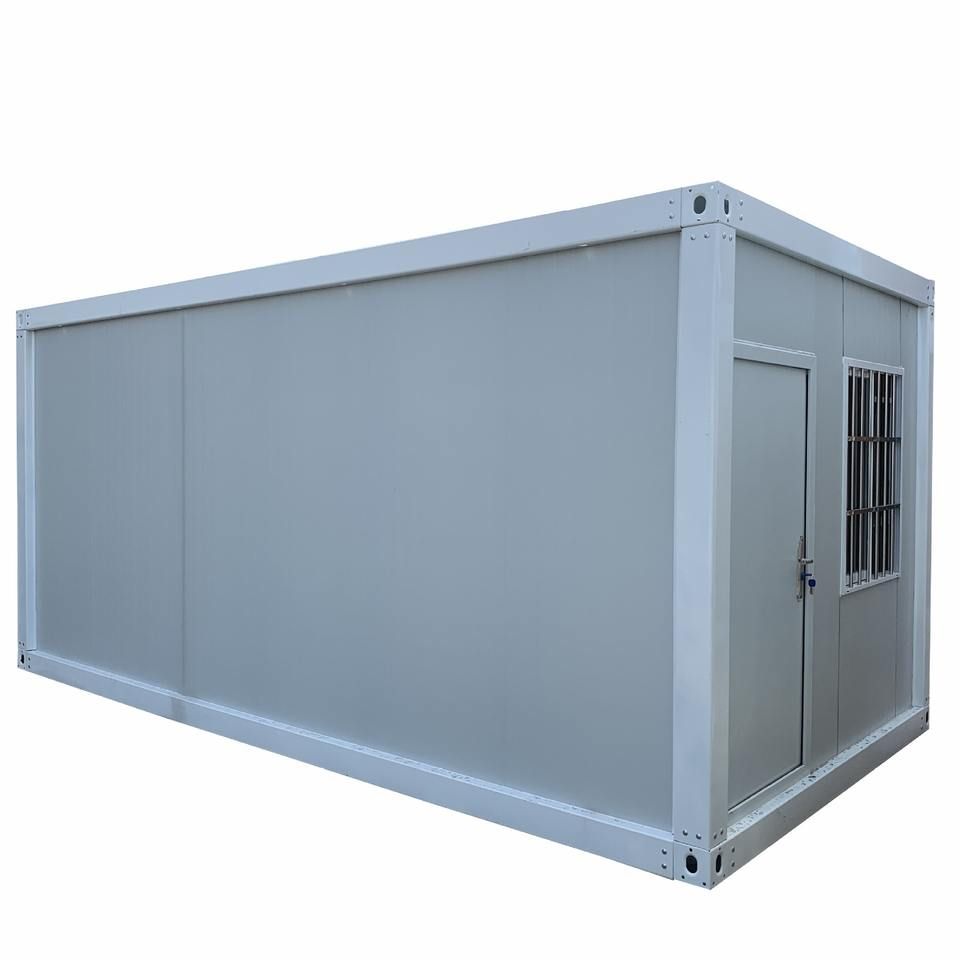
Fecal Tank Capacity of Waterless Packing Mobile Toilets
Waterless packing mobile toilets collect waste using biodegradable plastic bags, with the core component being the waste tank. The capacity of such waste tanks is usually 60-120 liters, with each packed waste amounting to approximately 1-2 liters. Based on this data, a single waste tank can accommodate about 30-60 uses (estimated at 1-2 liters per use). This design is suitable for water-scarce or temporary locations, such as outdoor events and construction sites, offering the advantage of requiring no water source and having a low cleaning frequency, though the packing bags need to be replaced regularly.
Fecal Tank Capacity of Water-Flush Mobile Toilets
Water-flush mobile toilets rely on the coordinated operation of a water storage tank and a waste tank, with the waste tank capacity typically being 200-400 liters. Each flush uses approximately 5-8 liters of water, so the number of flushes from the water tank can be estimated by dividing the capacity by the amount of water per flush. For example, a 200-liter tank at 5 liters per flush can provide about 40 flushes; a 400-liter tank at 8 liters per flush can provide about 50 flushes. These toilets are suitable for locations with high hygiene standards, such as scenic spots and exhibitions, but require regular cleaning of the waste tank and replenishment of the water source.
Impact of Septic Tank Type on Capacity
The septic tanks of mobile toilets come in two structural types: integrated and separable:
- Integrated Septic Tanks: Closely integrated with the main structure of the toilet, these typically have a smaller capacity (e.g., 60-200 liters) and are suitable for locations with limited space, such as small construction sites or temporary events. Their advantage lies in their compact structure, though cleaning requires moving the entire toilet, making the operation relatively complex.
- Separable Septic Tanks: These are separated from the main structure, with a larger capacity (e.g., 200-400 liters), facilitating separate cleaning and transportation. This design is suitable for locations with high foot traffic and short usage periods, such as music festivals and sports events, allowing for quick replacement of the septic tank to maintain normal toilet operation.
Summary
The capacity of fecal tanks in mobile toilets should be selected based on the specific type and usage needs: waterless packing types are suitable for water-scarce environments, with smaller capacities but lower cleaning frequencies; water-flush types are suitable for locations with high hygiene standards, with larger capacities but requiring a continuous water supply; the type of septic tank affects cleaning convenience. In practical use, it is recommended to conduct a comprehensive assessment based on the size of the location, the number of users, and the cleaning cycle to ensure the normal functioning of the toilet.



