Mobile Toilet Fecal Tank
The following is information about the mobility and related aspects of the fecal tank in mobile toilets:

Basic Structure and Material of the Fecal Tank
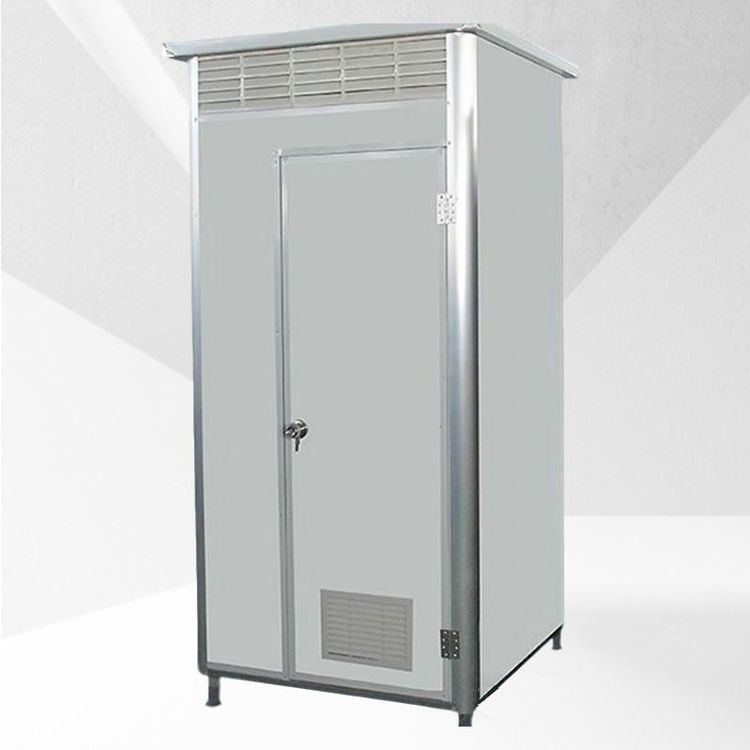
The fecal tank that comes with a mobile toilet is usually closely related to the main structure of the toilet. Taking a common type as an example, its length and width are both 1.1 meters, and its height is 2.35 meters. It is assembled using color-steel composite panels as a whole. Color-steel composite panels have advantages such as high strength, relatively light weight, and corrosion resistance, making them suitable for mobile toilets, which need to be moved frequently and have certain requirements for hygiene and durability. The interior features a non-slip embossed design, enhancing safety during use. At the same time, the floor is equipped with facilities such as an exhaust fan, lamp holders, and sockets, improving comfort and convenience during use.
Location and Cleaning Method of the Fecal Tank
In mobile toilets made of color-steel materials, the top is generally set as a fecal storage tank. There is a small door on the back of the toilet, which is a key passage for fecal tank operations. When placing the fecal tank, open the small door and put the fecal tank inside for fecal collection. As the usage time increases, the feces in the fecal tank will gradually accumulate. When the fecal tank is full, it needs to be manually cleaned. During cleaning, take out the fecal tank through the small door on the back, properly dispose of the feces, and then put the clean fecal tank back in place for continued use.
Overall Composition of the Mobile Toilet and Its Relationship with the Fecal Tank
A mobile toilet is a relatively complex overall structure, generally composed of a fecal and sewage storage tank (i.e., the fecal tank), floor panels, sanitary ware, walls, washing equipment, a water tank, a roof, and a mobile device. As an important part, the fecal tank is responsible for collecting and storing fecal sewage. Other components, such as sanitary ware, are used for people's daily excretion and cleaning. The water tank provides flushing water. The walls and roof serve to shelter from wind and rain and protect privacy. The mobile device makes it convenient to adjust the position of the entire toilet as needed. These components work together to form a fully functional mobile toilet system.