
Mobile Toilet Fecal Storage Tank
The fecal storage tank for mobile toilets is a crucial component used to collect fecal wastewater in mobile toilets, with its material, type, and cleaning method varying depending on the toilet design.
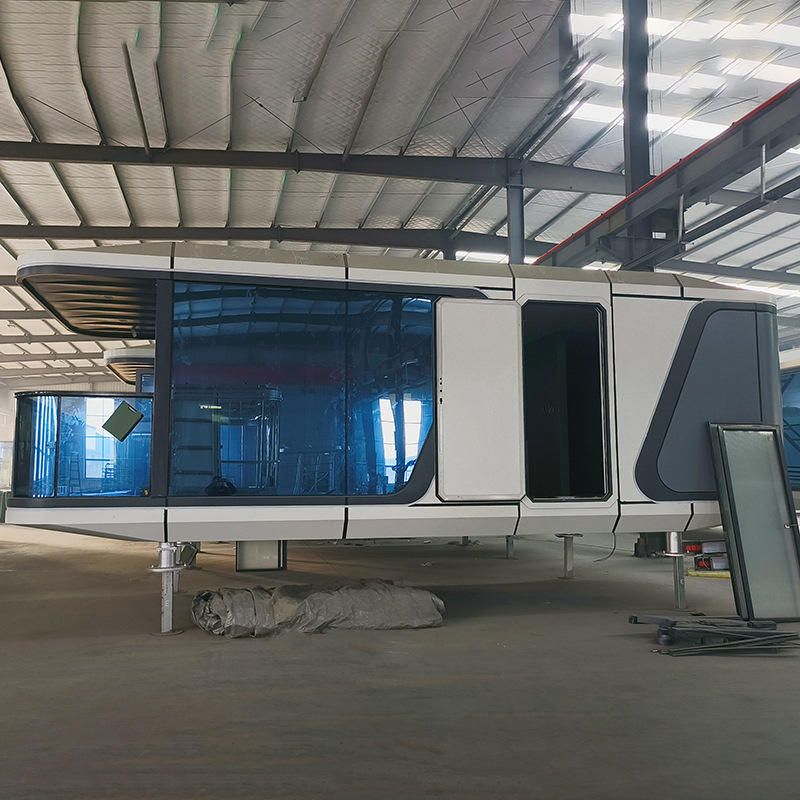
In terms of materials, common fecal storage tank materials include full 304 stainless steel and color-coated steel. Fecal storage tanks made of full 304 stainless steel are corrosion-resistant and have high strength, making them suitable for packaged mobile toilets. These toilets do not require water or electricity supply. They seal and store feces in packaging bags, and the fecal storage tank only needs to be cleaned regularly, which is simple and hygienic to operate. Fecal storage tanks made of color-coated steel are more commonly found in mobile toilets with top designs. They have a lightweight structure and lower cost, but require attention to rust prevention. When the tank reaches its capacity limit, manual cleaning is required to ensure the normal use of the toilet.
From the perspective of the relationship between types and wastewater treatment methods, mobile toilets can be classified into water-flush and non-water-flush suction types, circulating water-flush types, and dry-packaged types based on wastewater treatment methods. Among them, dry-packaged mobile toilets are usually equipped with fecal storage tanks. Their core principle is to collect feces into the tank through mechanical or manual means, avoiding direct discharge that could pollute the environment. These toilets are suitable for scenarios without a sewer system or where water resources are scarce, such as outdoor activities and temporary construction sites. Water-flush and non-water-flush suction toilets may transport feces through pipes to external fecal storage tanks or septic tanks, while circulating water-flush toilets achieve water reuse through filtration and disinfection processes. However, the fecal storage structures of these two types of toilets are usually not directly referred to as "fecal storage tanks."
The design of the fecal storage tank needs to balance capacity, sealing, and cleaning convenience. A too-small capacity will increase the cleaning frequency, while a too-large capacity may increase transportation costs. Insufficient sealing can easily lead to odor leakage or mosquito breeding. The position and size of the cleaning port should facilitate manual operation, and some high-end models are also equipped with automatic alarm devices to indicate when the tank is full. In addition, the material of the fecal storage tank should comply with environmental protection standards to avoid secondary pollution to the soil or groundwater.
Regular cleaning is key to the maintenance of the fecal storage tank. The cleaning cycle depends on the frequency of use and the tank capacity. It is generally recommended to check it every 1-3 days and clean it immediately when it is full. During cleaning, protective equipment should be worn, and professional tools should be used to transfer the feces to designated disposal points to avoid direct contact. After cleaning, the fecal storage tank should be disinfected to prevent bacterial growth.



