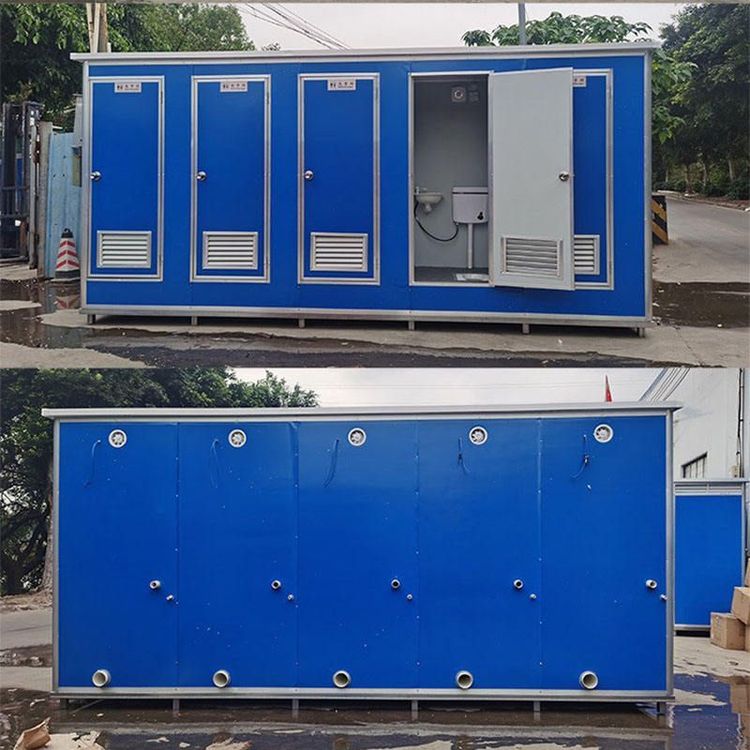
Mobile Toilet Factory Inspection Report
The mobile toilet factory inspection report typically includes core aspects such as structural safety, hygiene standards, environmental performance, appearance and material inspection, and structural and functional inspection, as detailed below:

1. Structural Safety
Structural safety is the primary indicator in factory inspections, focusing on evaluating the material strength, earthquake and wind resistance, and overall stability of mobile toilets. Material strength must meet building code requirements; for example, steel or high-density polyethylene (HDPE) used in support frames must pass tensile and compressive mechanical tests to ensure they can withstand normal usage loads and extreme environmental pressures. Earthquake and wind resistance are assessed by simulating stability under different magnitudes of earthquakes or strong winds to prevent overturning or deformation. Overall stability is verified through static load testing, such as applying a specified weight to the top of the toilet and observing for displacement or structural damage.
2. Hygiene Standards
Hygiene standard inspections focus on odor control systems, sewage treatment effectiveness, and bacterial control. Odor control systems must pass sealing tests to ensure no odor leakage during waste storage or treatment, commonly using negative pressure detection or odor concentration monitoring. Sewage treatment effectiveness is evaluated by assessing whether wastewater discharge meets environmental emission standards, with indicators such as chemical oxygen demand (COD) and ammonia nitrogen required to be below specified limits. Bacterial control indicators are determined through microbiological testing, focusing on monitoring the total colony count and pathogenic bacteria such as E. coli on the toilet's internal surfaces and waste treatment units to ensure safe usage.
3. Environmental Performance
Environmental performance inspections cover water-saving technology, waste disposal methods, and energy consumption. Water-saving technology must verify whether the water usage of the flushing system complies with water-efficient product standards, such as whether the single flush volume is below specified limits. Waste disposal methods must describe the technology type used (e.g., microbial degradation, packaging and sealing) and assess its harmless treatment effectiveness. Energy consumption levels are tested by measuring the power consumption of lighting, ventilation, and other equipment to ensure compliance with energy-saving requirements; for example, toilets powered by solar energy must have their photovoltaic system's power generation efficiency and energy storage stability tested.
4. Appearance and Material Inspection
Appearance inspections include checking the integrity of the toilet's outer shell, doors, windows, and other components to ensure no cracks, deformations, or coating peeling. Material composition is confirmed through spectral analysis or chemical testing to verify that the content of materials such as polypropylene (PP) or HDPE meets design requirements. Color and coating durability are assessed through artificial accelerated aging tests, such as simulating environmental conditions like ultraviolet radiation and salt spray corrosion, to observe whether the coating fades or peels, ensuring long-term appearance quality.
5. Structural and Functional Inspection
Structural and functional inspections center on load-bearing capacity testing, such as simulating ground loading conditions when multiple people use the toilet simultaneously to verify the strength of the floor, supports, and other structures. Functional inspections also include operational testing of systems such as door locks, ventilation, and lighting to ensure all components function properly. For example, the ventilation system must be tested for adequate air exchange rates, and the lighting system must be verified for brightness and uniformity to meet usage requirements.
All inspection items are carried out in accordance with national or industry standards (such as the 'Urban Public Toilet Design Standard' and 'Technical Requirements for Mobile Toilets') to ensure the product operates safely, reliably, and environmentally under different environmental conditions.