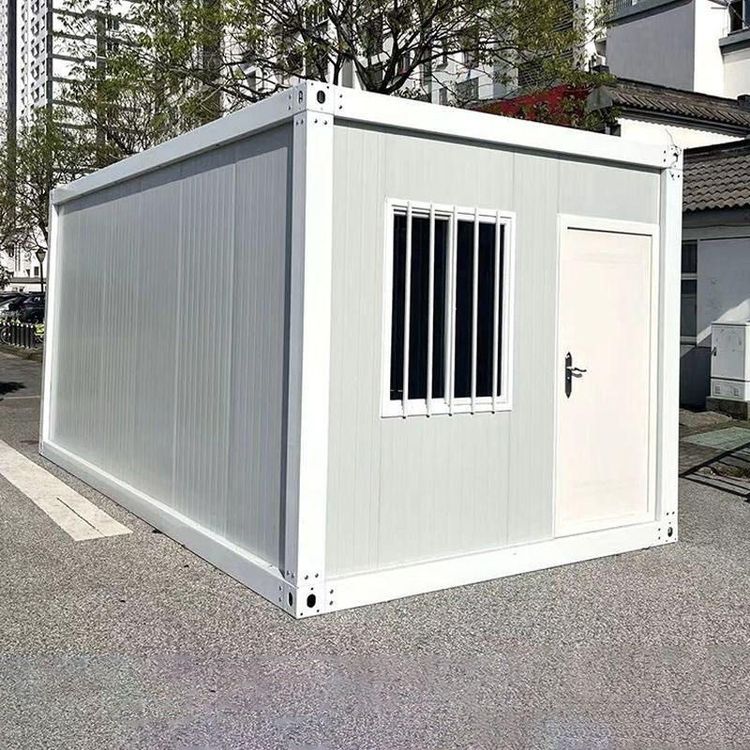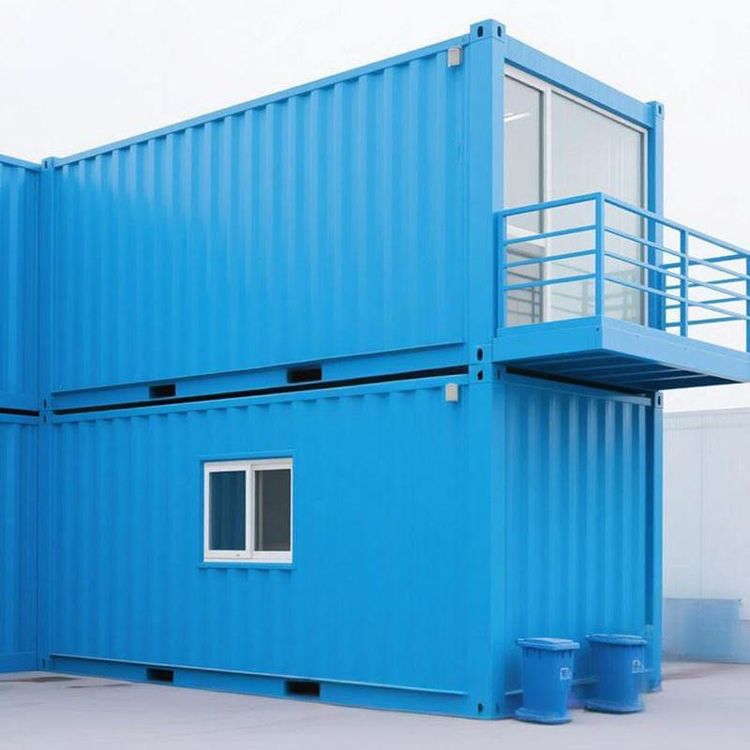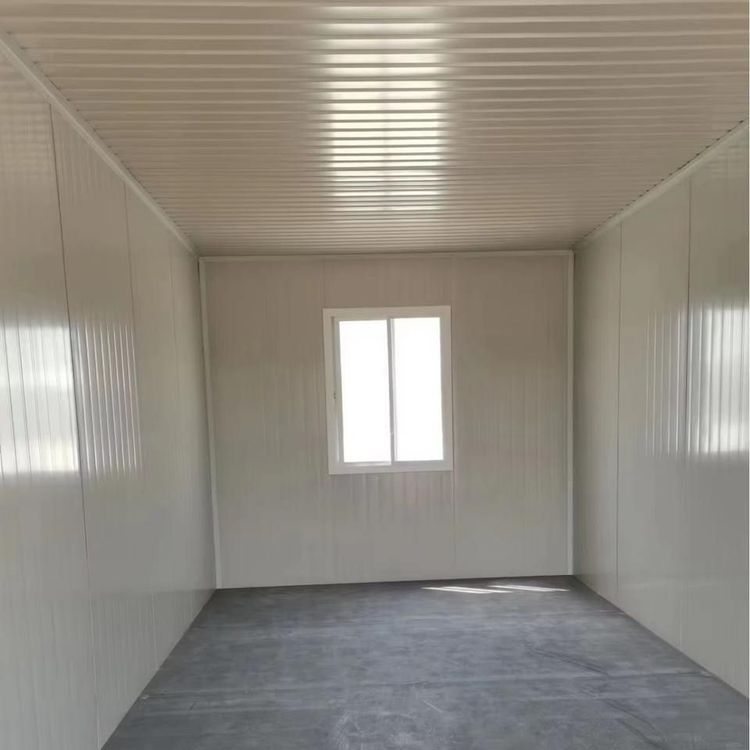
Export of Mobile Toilets to Thailand
Exporting mobile toilets to Thailand requires following the general procedures for equipment export and confirming details based on product characteristics (such as whether they contain electrical components or are used equipment). The core requirements include customs clearance and transportation, compliance with documentation, and special regulations for used equipment.

I. Customs Clearance and Transportation Requirements
When exporting mobile toilets to Thailand, it is necessary to plan the loading scheme in advance. The exporter needs to provide the logistics service provider with detailed information about the equipment, including its dimensions, weight, and lifting points, to determine the type of container (such as a standard container or a special container) and develop a reinforcement plan to prevent damage during transportation due to unstable fixation. Customs clearance documents must ensure that the equipment's brand, model, and serial number are completely consistent with the actual product. If the declared information does not match the goods, it may be deemed as 'discrepancy between documents and goods' by Thai customs, leading to customs clearance delays or fines.
II. Special Regulations for Used Equipment (if applicable)
If the exported mobile toilets are second-hand equipment, stricter documentation requirements must be met:
- Consistency of Documentation: The equipment model, serial number, manufacturing year, and HS code on all documents (such as invoices, packing lists, and bills of lading) must be completely consistent. Otherwise, the container may be detained or returned.
- Core Documentation Processing: It is necessary to apply for a CCIC-PSI pre-shipment inspection certificate (proving that the equipment meets Thai technical standards), an MOI Ministry of Industry import license (IDL, for industrial equipment), and a TISI safety inspection report (mandatory if the equipment contains motor/electronic control components).
- Labels and Instructions: Thai-language operation manuals and safety warning labels must be provided to ensure that users can use the equipment correctly and identify risks.
III. Avoiding Documentation and Compliance Risks
Thai customs conducts nearly 100% open-box inspections of used equipment, so special attention should be paid to the following details:
- Nameplate and Serial Number: The equipment nameplate must be clearly legible, the serial number must not be altered or blurred, and the model must use the full name (such as 'MT-2023' instead of 'MT-23').
- Recommended Operation Sequence: First, confirm the HS code (which affects tariffs and documentation requirements) → pre-process the equipment (such as cleaning and repairing) → schedule a CCIC inspection → apply for a FORM-E certificate of origin (to enjoy tariff preferences) → prepare a complete set of documents (including contracts, invoices, bills of lading, etc.) → complete export customs declaration → ship to Thailand by sea → handle Thai customs clearance.
If the mobile toilets contain electrical components, additional confirmation is required regarding whether TISI certification is needed; for new equipment, some procedures for used equipment can be simplified, but documentation consistency and complete customs clearance documents are still required.