
What is a Mobile Toilet
A mobile toilet is a facility that can be moved as a whole and provides toilet services to the public. It does not require complex civil engineering and can be used immediately upon placement, suitable for both fixed and temporary demand locations.
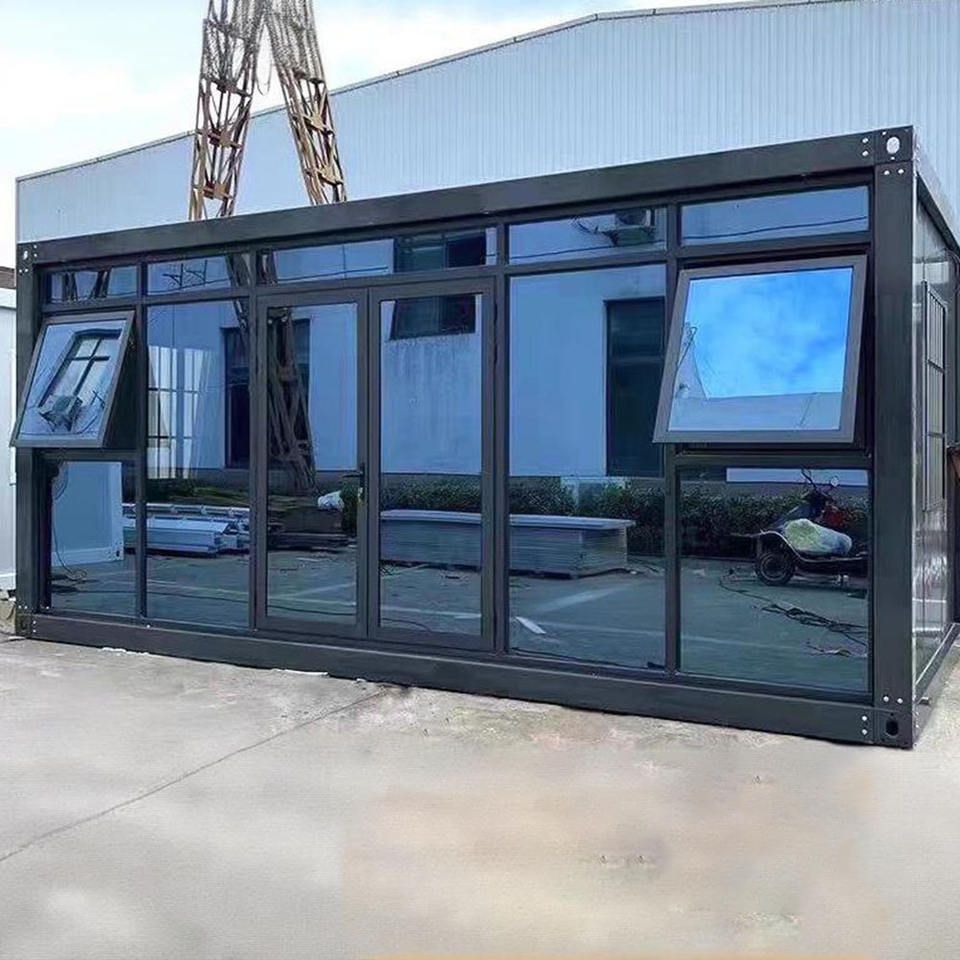
Structural and Installation Features
The construction of a mobile toilet does not require complex civil engineering projects. Its installation method is similar to building with blocks. It is supported by columns and fixed through splicing, with a buckle design ensuring a tight and seamless structure, allowing for quick commissioning. Its frame is welded from national standard steel, and its surface is covered with anti-corrosion and fire-resistant materials such as color-coated steel plates or carved panels, with a service life of over 20 years. Internally, it is equipped with an independent toilet pit partition treatment system. The urine channel utilizes gravity flow, while the feces channel is cleaned by a piston-type scraper mechanical device. It is also equipped with non-slip floors, automatic flushing toilet bowls, and ventilation and lighting systems, complying with the GBLT18091-92 standard.
Working Principles and Types
Mobile toilets are classified into various types based on their technical routes:
- Traditional Water Flush Type: A large water tank is installed at the bottom to store sewage. After use, it requires a fecal suction truck for cleaning, suitable for locations with water sources and sewage disposal conditions.
- Packaging Type Toilet: It encapsulates excrement in garbage bags through an automatic bagging device, eliminating the need for water flushing, and is suitable for water-scarce or temporary use scenarios.
- Foam Sealing Type: A layer of foam is applied to the surface of the toilet bowl, which not only isolates odors but also reduces the amount of flushing water, resulting in significant water-saving effects.
- Microbial Degradation Type: It utilizes specific bacteria to decompose 99% of excrement into fertilizer and clean water, achieving resource recycling and outstanding environmental performance.
Development History and Application Scenarios
Mobile toilets originated during the third public toilet revolution (from the 1990s to the end of the 20th century). After 2012, various technical routes such as waterless flush, foam sealing, and water flush gradually developed, and sub-categories such as antique-style, temporary construction site, and marine types emerged. Product forms have expanded to trailer-mounted, box-type substation cabinet-style, stainless steel sentry box-style, etc., supporting vehicle-mounted mobility and traditional public toilet renovations. Currently, their applications have covered public places such as scenic spots, service areas, and rural areas, becoming an important solution for addressing toilet demands in temporary or remote areas.



