
Mobile Toilet Explanation
Mobile toilets are facilities that can be moved as a whole and provide toilet services to the public. They are suitable for a variety of locations and come in multiple types with distinct features.
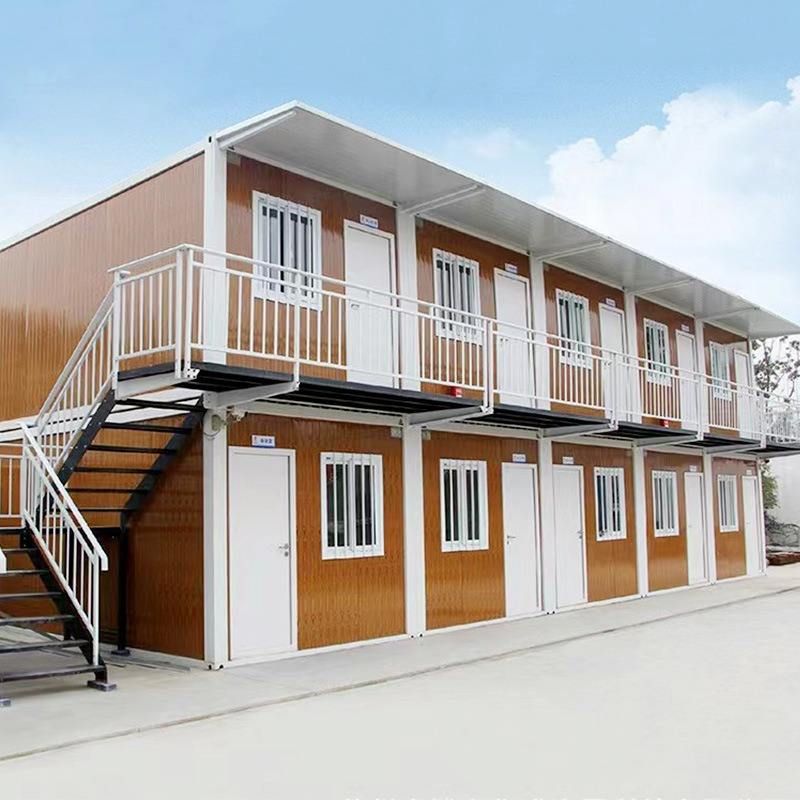
Suitable Locations
Mobile toilets are suitable for stations, docks, tourist attractions, villa areas, newly built residential communities, large construction sites, squares, densely populated public places, and bustling commercial streets. These locations often face issues such as an insufficient number of fixed public toilets or unreasonable layouts. Mobile toilets can be flexibly deployed to meet people's temporary and periodic toilet needs. For example, in 2023, the Lanzhou Yellow River Scenic Area gradually installed and put into use mobile toilets.
Composition and Structure
Generally, they consist of a fecal sewage storage tank (or fecal sewage treatment device), floor slabs, sanitary ware, walls, washing equipment, water tanks, roofs, and mobile devices. Different components work together to realize the basic functions of mobile toilets.
Development History and Materials
Initially, mobile toilets were made of materials like wood, with simple structures and functions, and were prone to absorbing odors. Later, they gradually evolved to use materials such as fiberglass-reinforced plastic and polyethylene, which offer better durability and odor resistance.
Type Classification
- By structural form: They can be divided into single-structure mobile toilets and composite-structure mobile toilets.
- By mobility method: They are classified into lifting and handling mobile toilets, and powered and trailer-mounted mobile toilets.
- By sewage treatment method: They include water-flush and waterless suction mobile toilets, circulating water-flush mobile toilets, and dry-packing mobile toilets.
Features and Advantages
They can be conveniently transported to any location where toilets need to be set up and can be used repeatedly. They have the advantages of mobility, combinability, and ease of transportation.
Design Principles
The design should adhere to the principles of mobility and convenience, economic durability, environmental protection and ecological friendliness, and efficiency enhancement and humanitarian promotion. The overall structure should be lightweight, using lightweight and durable materials as much as possible while ensuring structural sturdiness. The height and width of the toilets should be controlled during design, and the mobile devices should be fully considered and reasonably designed. To adapt to cold weather in northern regions, some mobile toilets have insulation inside their walls, use thickened titanium-magnesium alloy doors, are equipped with special locks indicating occupied or unoccupied status, and are fitted with 304 stainless steel squat pans and PE energy-saving water tanks.



