
Mobile Toilet Environmental Protection
The environmental protection features of mobile toilets are mainly reflected in water conservation, technological diversification, eco-friendly materials, intelligent control, and scenario adaptability.
1. Water Conservation and Resource Recycling
Mobile toilets significantly reduce water consumption through technological optimization. For example, they employ rainwater collection and filtration systems to convert natural precipitation into flushing water; hand-washing water reuse technology enables the repeated utilization of water resources. Some products automatically collect hand-washing water and add specialized agents, allowing each flush to use only 0.46 liters of water, saving over 80% compared to traditional toilets. Recirculating flush mobile toilets are equipped with intermittent aerobic and anaerobic treatment units to biologically degrade excreta, with the treated water recycled for flushing, forming a closed-loop system and reducing sewage discharge.
2. Diverse Technological Types
Mobile toilets encompass various eco-friendly technological solutions:
- Waterless Flush Type: Relying on biodegradation or physical sealing technologies, these toilets require no water and are suitable for water-scarce areas;
- Foam Sealing Type: Using foaming agents to cover the surface of excreta, they block odors and reduce flushing water volume;
- Dry Packing Type: Employing biodegradable plastic bags to collect excreta, these toilets automatically change bags after use and centralize disposal, with no water flushing involved throughout the process;
- Water Flush Type: Incorporating intelligent water-saving devices to optimize flushing efficiency and reduce single-flush water volume.
3. Eco-Friendly Materials and Long-Life Design
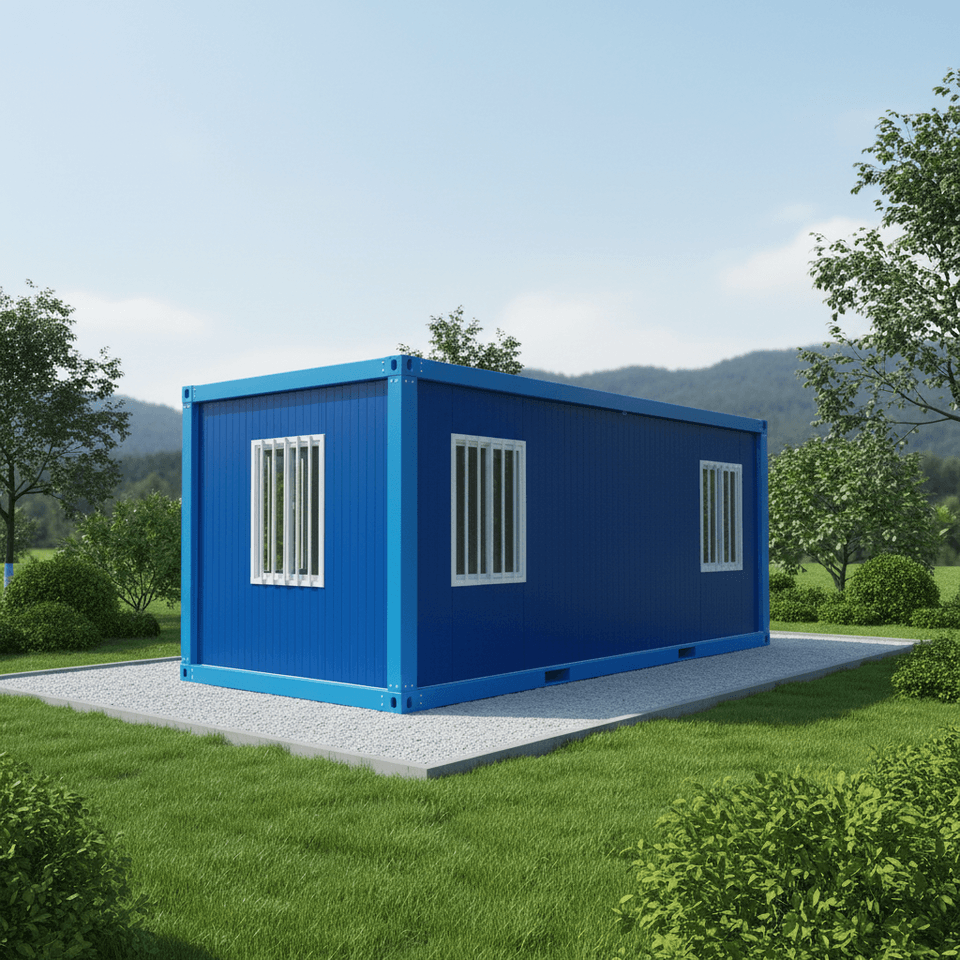
The main frame of mobile toilets is welded from national standard steel, with surfaces covered in corrosion-resistant and fireproof materials such as color-coated steel plates or carved panels, offering a service life of over 20 years. The plates used are mostly eco-friendly, such as recyclable metals and high-density polyethylene, reducing resource waste. Some products adopt a modular design for easy disassembly and reassembly, extending the overall service life.
4. Intelligent Control System Support
Some high-end mobile toilets are equipped with a bottom-layer PLC data acquisition system, 40-inch LED stall monitors, and 4G remote monitoring modules, supporting remote operation of lighting and flushing systems via a mobile app. For example, intelligent water-saving ecological toilets automatically collect urine and hand-washing water through sensors and add water-saving specialized agents to achieve low-volume flushing, while monitoring equipment operation status and promptly warning of maintenance needs, reducing energy consumption and failure rates.
5. Wide Range of Application Scenarios
Mobile toilets can be adapted to细分场景 (specific scenarios) such as temporary construction site toilets, scenic area garden toilets, and vehicle-mounted toilets, covering public places like scenic spots, service areas, and rural areas. Their flexible deployment characteristics avoid the permanent occupation of land by traditional toilet construction and can be relocated as needed, reducing resource waste, especially suitable for temporary events or ecologically sensitive areas.



