
Environmental Protection by Mobile Toilets
The environmental protection provided by mobile toilets is reflected in multiple aspects, including water conservation, land protection, waste treatment, material recycling, innovative energy allocation, and life-cycle environmental impact.
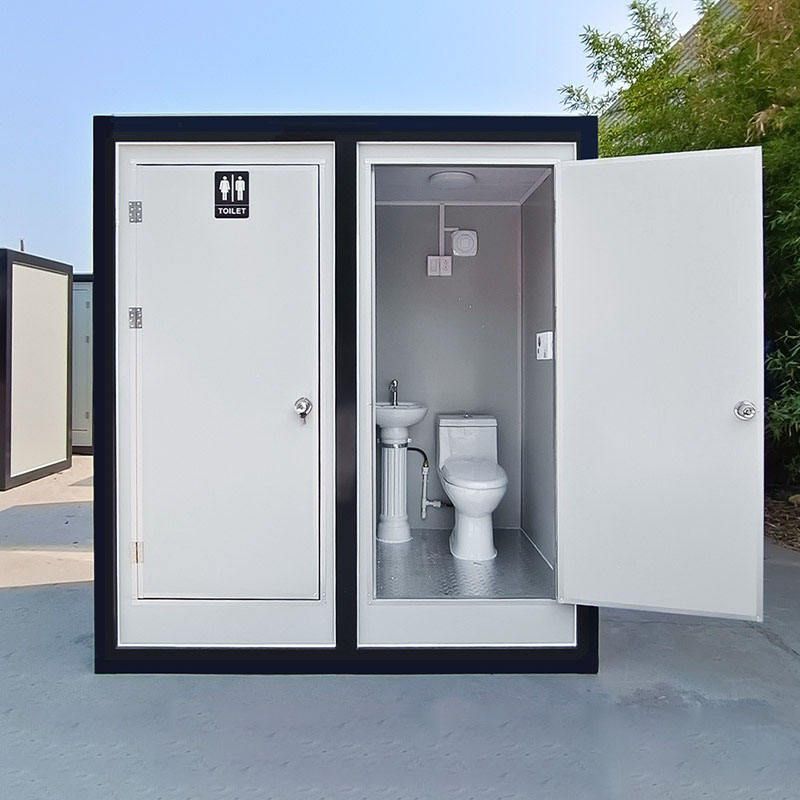
Water Conservation: Mobile toilets significantly reduce water consumption. Compared to traditional flush toilets, a single use of a mobile unit can reduce water usage by approximately 70%, with particularly notable effects in water-scarce areas. Some advanced models further increase water savings to 90% through hand-washing water recycling technology, effectively alleviating water resource pressure.
Land Protection: The temporary nature of mobile toilets avoids the permanent damage to soil structure caused by traditional toilets. Construction does not require excavation of septic tanks, reducing the generation of construction waste. This makes them particularly suitable for geologically sensitive areas, such as wetlands and protected zones, minimizing disturbance to the ecological environment.
Waste Treatment: Mobile toilets employ a variety of environmentally friendly treatment technologies. Microbial degradation models convert excreta into harmless gases and water through biological action; packing models use biodegradable bags to collect excreta, which are then transported and uniformly treated by professional equipment, avoiding scattered emissions that pollute soil and water bodies and enhancing the safety of waste management.
Material Recycling: Scrap materials from mobile toilet cabins can be transformed into municipal engineering components, such as tree pool fences or sidewalk bases, through thermoplastic recycling technology; the plastic components of fecal storage tanks can be cleaned, crushed, and remolded into low-environmental-load products. This closed-loop design incorporates the product life cycle into the environmental management system, reducing resource waste.
Innovative Energy Allocation: Solar power systems provide clean energy for lighting and ventilation devices, while rainwater collection devices, in conjunction with water-saving flush valves, enable the utilization of non-traditional water sources. These technologies allow mobile toilets to operate normally even when disconnected from municipal water and sewage networks, expanding their applicability while reducing reliance on traditional energy sources.
Life-Cycle Environmental Impact: Comprehensive assessments show that the environmental footprint of mobile toilets is significantly lower than that of traditional brick-and-mortar toilets. Life-cycle analysis from raw material extraction to final disposal indicates lower carbon emissions. Additionally, the rental model of mobile toilets reduces land excavation, pipeline laying, and concrete consumption during the construction of traditional public sanitation facilities, aligning with the concept of resource recycling and further reducing environmental burdens.



