Environmental Materials for Mobile Toilets
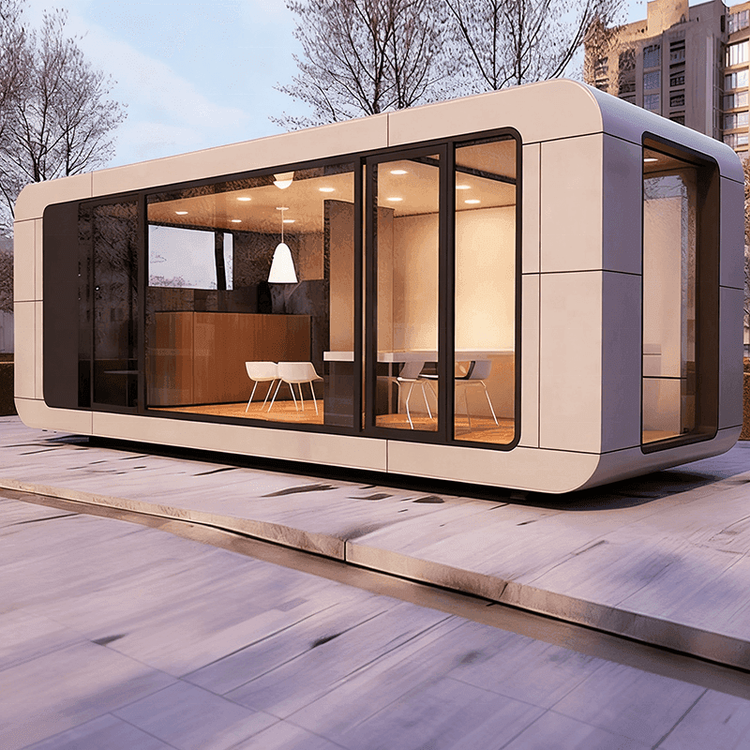
Common environmental materials used in mobile toilets include high-density polyethylene (HDPE) plastic, fiberglass reinforced plastic (FRP), metal carved panels/stainless steel composite materials, color-coated steel sheets or carved panels, and national standard steel. These materials excel in environmental friendliness, durability, and functionality.

High-density polyethylene (HDPE) plastic is a common choice for mobile toilets, primarily due to its lightweight and strong corrosion resistance. HDPE plastic typically weighs less than 1.8 tons, facilitating easy transportation and installation. It has passed a 5000-hour salt spray test, demonstrating its corrosion resistance for long-term outdoor use, with a lifespan of 10-12 years. Additionally, HDPE material is recyclable and has low energy consumption during production, meeting the basic requirements of environmental materials.
Fiberglass reinforced plastic (FRP) is renowned for its lightweight and corrosion resistance, making it suitable for long-term outdoor environments. It has a fire rating of B1, effectively delaying the spread of fire and enhancing safety. Mobile toilets on construction sites often use this material due to its resistance to ultraviolet rays and aging, reducing maintenance frequency. The production process of FRP does not involve heavy metal pollution, and waste can be professionally treated for resource utilization.
Metal carved panels/stainless steel composite materials combine flame retardancy with corrosion resistance. The outer wall uses aerospace-grade flame-retardant GRP material, while the inner wall employs 316 medical-grade stainless steel, resistant to acid and alkali corrosion, with a lifespan of 12 years. Its fire rating is no less than B1, and the stainless steel inner wall is easy to clean, reducing bacterial growth and meeting public health standards. This material has a high recycling rate, with the stainless steel part being reusable through melting, reducing resource consumption.
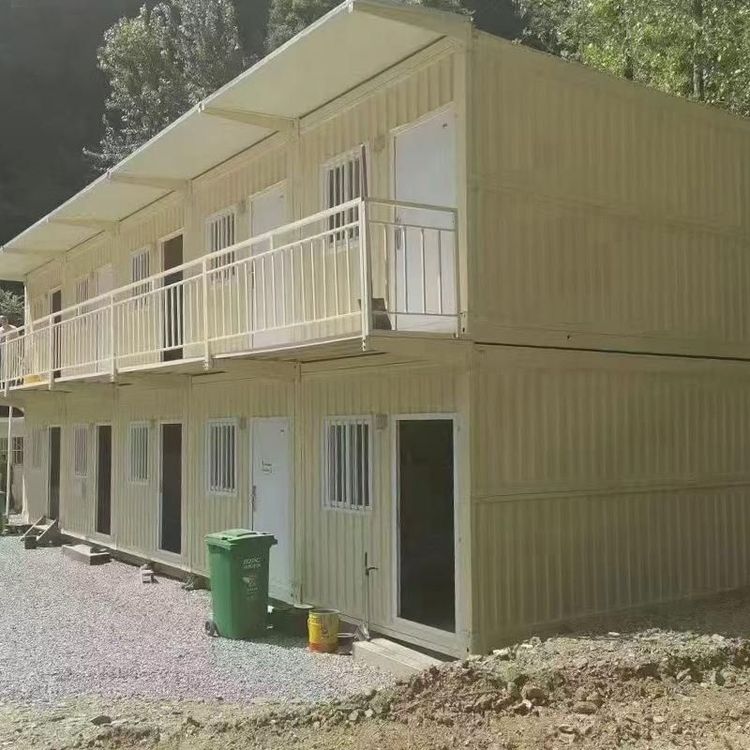
Color-coated steel sheets or carved panels, as surface covering materials, possess both anti-corrosion and fire-resistant properties. Color-coated steel sheets are treated with galvanization or coating to resist corrosion in humid environments, while carved panels enhance structural strength through special processes, with a lifespan of over 20 years. Both adopt halogen-free flame-retardant formulas, not releasing toxic gases during combustion, meeting environmental safety requirements.
National standard steel is primarily used for frame welding, providing structural support. Some products use 100*100 galvanized square steel for welding, ensuring overall sturdiness. Galvanization prevents steel rusting, extending lifespan; steel itself is 100% recyclable, representing a typical example of environmental structural materials.