
Key Points for Entry Inspection of Mobile Toilets
The key points for entry inspection of mobile toilets include five aspects: equipment and facilities, structure and safety, water and electricity interfaces, placement location, and cleaning and maintenance preparations.
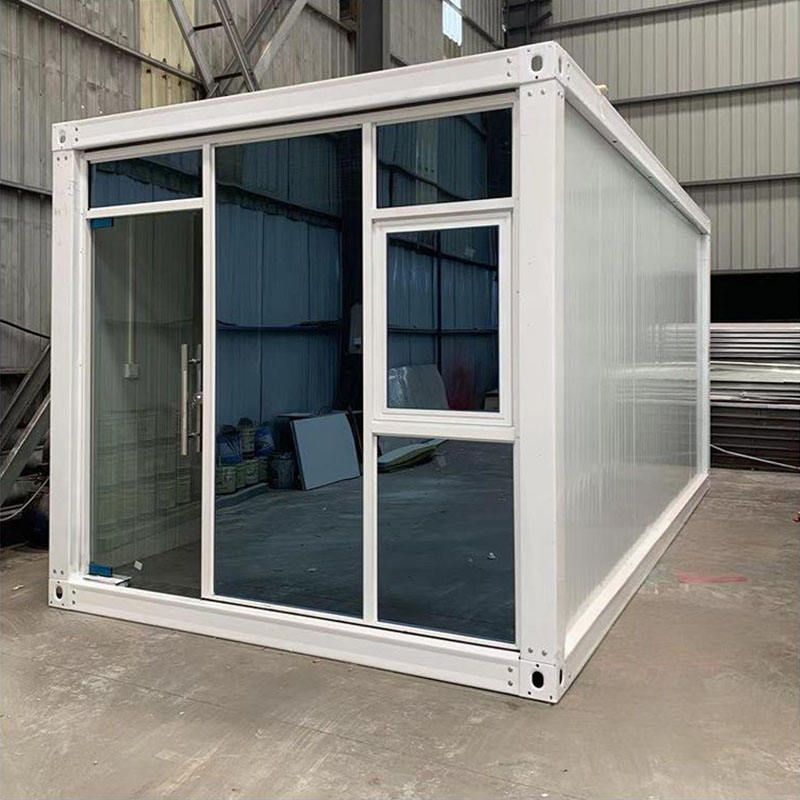
Equipment and Facilities Inspection: Carefully examine the exterior of the toilet to ensure there is no damage or deformation. Test the door lock function to safeguard the privacy and safety of users. Check the internal flushing system to ensure its proper operation and maintain toilet cleanliness. Confirm that the ventilation equipment is functioning well to maintain air circulation and reduce odor generation. Inspect the lighting equipment to ensure it provides sufficient light for users.
Structure and Safety Inspection: First, ensure that the actual structure is consistent with the design drawings. Conduct a comprehensive inspection of all damages and defects, focusing on major load-bearing components, such as whether the node connections of load-bearing steel members are abnormal, whether the welding of steel beams and columns is intact, and whether there are obvious cracks. Based on the 'Code for Design of Building Structural Loads' and on-site investigations, comprehensively consider factors such as dead loads, live loads, wind loads, seismic actions, and material parameters. Use professional software to perform load-bearing capacity calculations and analyses on the toilet structure to evaluate its safety under various loads. According to the owner's requirements, non-destructive testing can be carried out on the welds of the steel structure parts, and the mechanical properties of the steel, including tensile strength, yield strength, and impact tests, can be tested to provide more comprehensive data support for structural safety.
Water and Electricity Interface Inspection: Focus on checking whether the water and electricity interfaces are intact and whether there is any damage to the internal facilities. When connecting the drainage system, ensure that the slope of the sewage pipe is ≥2% and that the interfaces are sealed with sealing tape or waterproof glue to prevent sewage leakage. The power supply should be operated by a professional electrician to avoid unauthorized connections. Use leakage protection devices to ensure electrical safety.
Placement Location Inspection: Choose a flat location with good drainage to prevent the toilet from accumulating water or tilting. Considering the convenience of users, place the toilet in a densely populated and easily accessible area. At the same time, ensure that the surrounding environment is clean to avoid polluting the surroundings.
Cleaning and Maintenance Preparations: Before entry, prepare cleaning tools and disinfectants to facilitate immediate cleaning and maintenance work upon entry. Check the water storage tank and sewage tank to ensure there is no risk of water leakage or sewage overflow and to ensure the normal use of the toilet.



