Business Directions of Mobile Toilet Enterprises
The business directions of mobile toilet enterprises mainly include six areas: product research and development and manufacturing, leasing services, operation and maintenance services, customized services, integration of environmental protection technologies, and smart toilet solutions.

Product Research and Development and Manufacturing
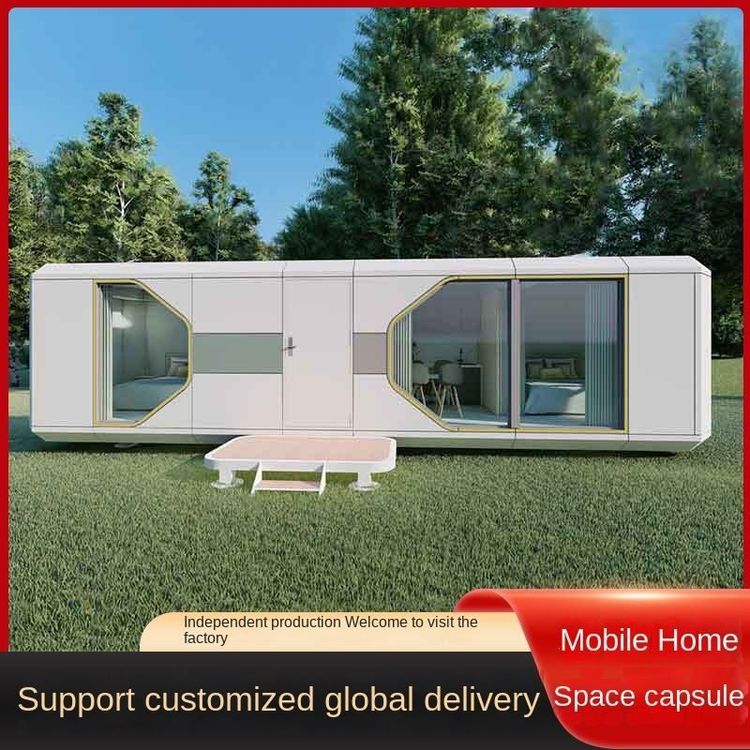
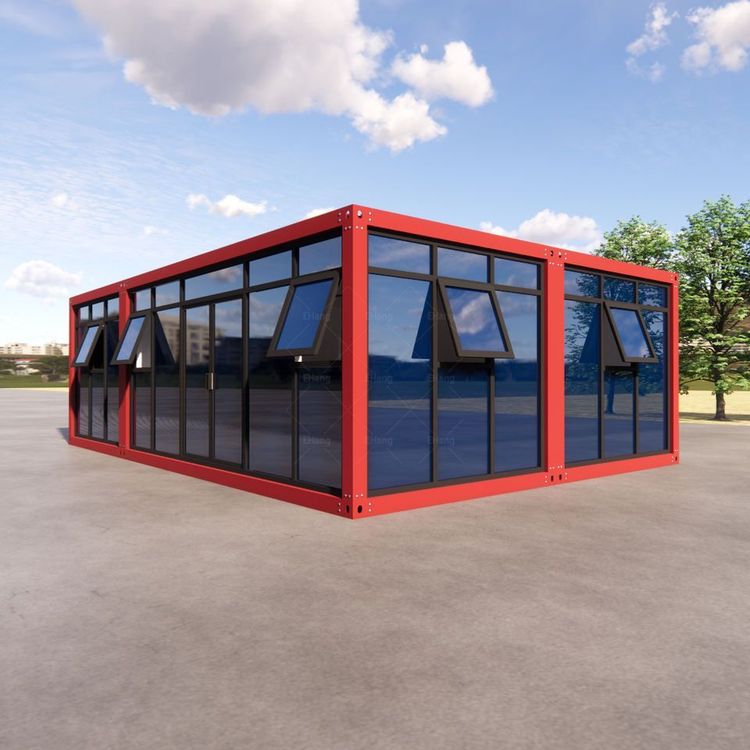
Mobile toilet enterprises focus on the research and production of mobile sanitation facilities, with product types ranging from basic portable toilets to integrated systems. Common products include single-unit, towable, container-type mobile restrooms, as well as a full range of eco-friendly toilets, waterless toilets, packaged toilets, and anti-corrosion wooden mobile toilets. Some high-end products are equipped with functions such as flushing, sewage discharge, and power supply, and even integrate facilities like air conditioning and fresh air systems to meet the needs of different scenarios.Leasing Services
Leasing services are one of the core revenue sources for mobile toilet enterprises, especially serving large-scale events (such as sports events, music festivals) and emergency rescue scenarios. Enterprises provide customized solutions based on site conditions, the number of users, and duration, such as adjusting the number and functional configurations of toilets through modular combinations to ensure efficient resource utilization.Operation and Maintenance Services
Enterprises provide full-lifecycle operation and maintenance support, including on-site maintenance, sewage cleaning, and consumable replenishment. Some enterprises optimize equipment transportation routes through logistics scheduling systems and use remote monitoring technology to monitor toilet status (such as water level and battery level) in real-time, enabling fault warnings and rapid responses.Customized Services
For differentiated scenarios such as cultural tourism attractions, construction sites, and disaster relief, enterprises offer modular design solutions. Users can freely combine functional units, such as adjusting exterior materials, adding barrier-free facilities, or selecting specific sewage discharge solutions (such as septic tanks or biodegradation), to adapt to complex environmental needs.Integration of Environmental Protection Technologies
In response to stricter environmental protection policies, enterprises have developed technologies such as micro-flushing, zero-sewage discharge, and biodegradation, along with efficient sewage treatment devices. For example, toilets using microbial decomposition technology can achieve harmless treatment of feces, reducing water consumption and pollution emissions, in line with sustainable development requirements.Smart Toilet Solutions
Some enterprises integrate Internet of Things (IoT), big data, and automation control technologies to build smart toilet systems. These systems can monitor environmental parameters (such as ammonia concentration, temperature, and humidity) in real-time, manage equipment operation status, and optimize resource allocation (such as consumable replenishment cycles) through data analysis, improving operational efficiency and user experience.