
What Engineering Category Does Mobile Toilet Belong To
Mobile toilets do not directly fall into a specific engineering category, but they can be associated with multiple engineering fields based on their application scenarios and characteristics. Details are as follows:
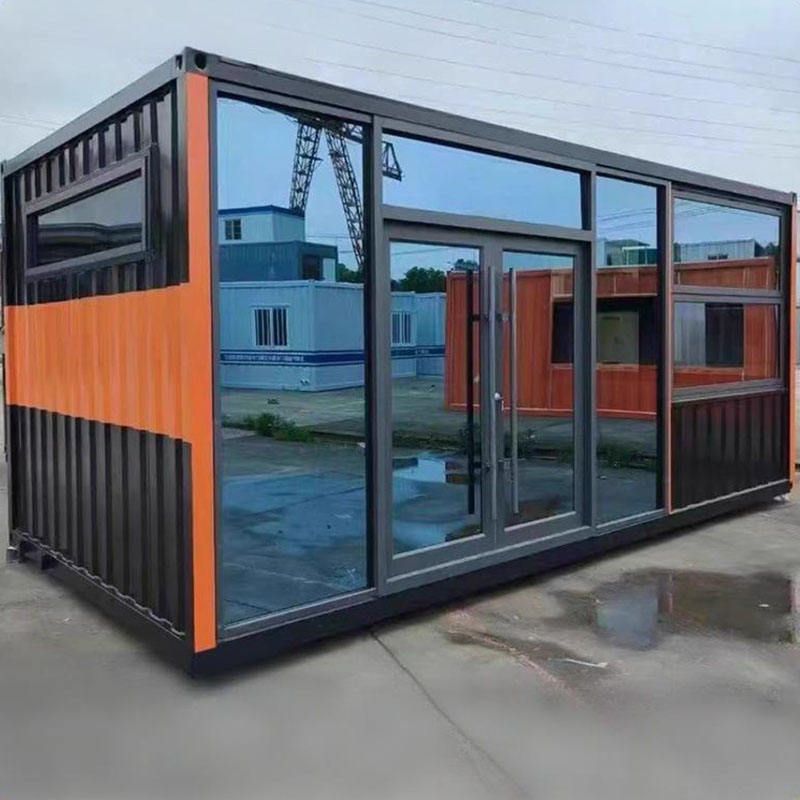
I. Temporary Facility Engineering
On construction sites, mobile toilets are temporary facilities that meet the basic sanitation needs of workers. According to the 'Standard for Bill of Quantities and Valuation for Construction Works' (GB/T50500-2024) released in 2024, the costs for purchasing, leasing, setting up, maintaining, and removing mobile toilets are clearly classified under 'temporary facility expenses'. This classification reflects the temporary and functional nature of mobile toilets during the construction period, as their presence is directly related to the project progress and they need to be removed or relocated upon project completion.
II. Sanitation or Public Health Facility Engineering
From the perspective of sanitation engineering, mobile toilets are movable public health facilities, typically constructed with lightweight steel structures or fiberglass-reinforced plastic materials, designed for easy transportation and installation. Their core function is to address short-term sanitation needs in specific locations, such as large outdoor events or temporary gatherings, serving as an extension of public health facility planning. For example, at music festivals or sports events, the layout of mobile toilets must comply with sanitation and epidemic prevention standards, highlighting their public health attributes.
III. Modular or Prefabricated Building Product Engineering
Mobile toilets can be regarded as a typical application of prefabricated building products. Their main structures are prefabricated in factories and assembled on-site through standardized modules to meet different site requirements. This production model aligns with the concept of green building, reducing on-site construction pollution and improving space utilization through modular design, making it suitable for scenarios with high construction efficiency requirements.
IV. Transportation or Municipal Infrastructure Engineering
In the field of transportation engineering, mobile toilets often serve as supporting facilities for construction projects. For instance, during highway construction, mobile toilets are moved along with the progress of the construction section to ensure sanitation conditions within the workers' operating range; in municipal road maintenance, mobile toilets can temporarily replace fixed public toilets to minimize the impact on citizens' lives. Such applications emphasize their synergy with infrastructure construction and their role as part of the engineering support system.



