
Mobile Toilet Emergency Response
Mobile toilets provide critical sanitation support for public emergencies through rapid deployment, technological upgrades, pollution control, intelligent management, multi-scenario adaptability, and comprehensive service models.
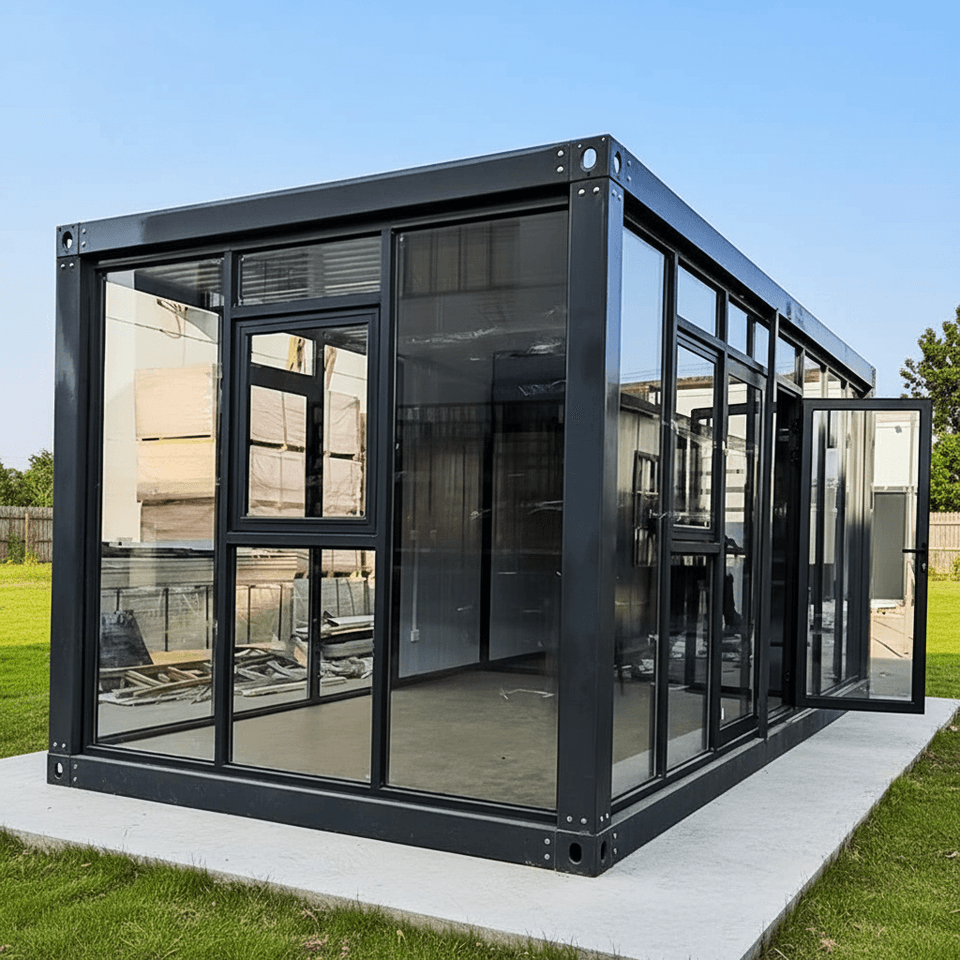
1. Rapid Deployment and Flexible Adaptation
Mobile toilets feature modular designs that allow quick assembly and expansion to meet diverse scenario demands. For instance, in earthquake zones, flood-affected areas, or large gatherings, fixed sanitation facilities often fail due to damage or surging demand. Mobile toilets, utilizing lightweight materials and rapid folding technology, enable immediate use upon arrival, effectively alleviating sanitation pressures.
2. Technological Upgrades Enhance Efficiency
Integrated modules and new materials grant mobile toilets high strength and lightweight properties while reducing deployment constraints. Water circulation systems minimize water usage, and solar power units ensure continuous operation in power-scarce environments. For example, some units employ low-temperature pyrolysis technology for waste treatment, eliminating the need for external water or power sources and significantly improving applicability in emergency scenarios.
3. Pollution Control and Eco-Friendly Treatment
Mobile toilets incorporate negative-pressure air sealing, enzymatic reactors, and enclosed storage tanks to block pathogen transmission pathways and reduce subsequent transportation and treatment burdens. Water-saving technologies and wastewater treatment systems ensure compliant discharge, with some units equipped with solar panels for green operation, balancing environmental protection and practicality.
4. Intelligent Management Systems Optimize Response
Sensor networks continuously monitor capacity, air quality, and equipment status, transmitting data via IoT to dispatch platforms. Platform algorithms predict peak demand based on population density and automatically generate allocation plans, shortening fault response times. For example, a large event utilized intelligent systems to pre-allocate toilets, avoiding queues and enhancing user efficiency.
5. Multi-Scenario Adaptability Engineering
Mobile toilets achieve functional customization through modular components tailored to different emergency scenarios. Earthquake-zone units feature self-leveling devices, flood-prone areas adopt waterproof sealing and elevated installation modes, while large gatherings emphasize durability and privacy protection designs, ensuring stability and safety in complex environments.
6. Service Models and Collaborative Chains
Leasing services cover the entire process from needs assessment, transportation, assembly, maintenance, to waste disposal, ensuring end-user reliability. For example, during a disaster relief operation, a service provider completed toilet deployment and daily maintenance within 24 hours via a rapid response mechanism, preventing sanitation deterioration and secondary issues.
7. Rapid Response Plans for Emergencies
Backup equipment and emergency tools are pre-prepared for blockages, odors, or malfunctions, with dedicated personnel conducting inspections. Ventilation designs, consumable replenishment, and disinfection plans enhance user experience and reduce failure rates. For instance, a music festival maintained a toilet failure rate below 5% through daily inspections and immediate repairs, ensuring smooth event operations.



