Mobile Toilet Edge Banding Specifications
The specifications for edge banding of mobile toilets vary among manufacturers and designs, with common specifications as follows:
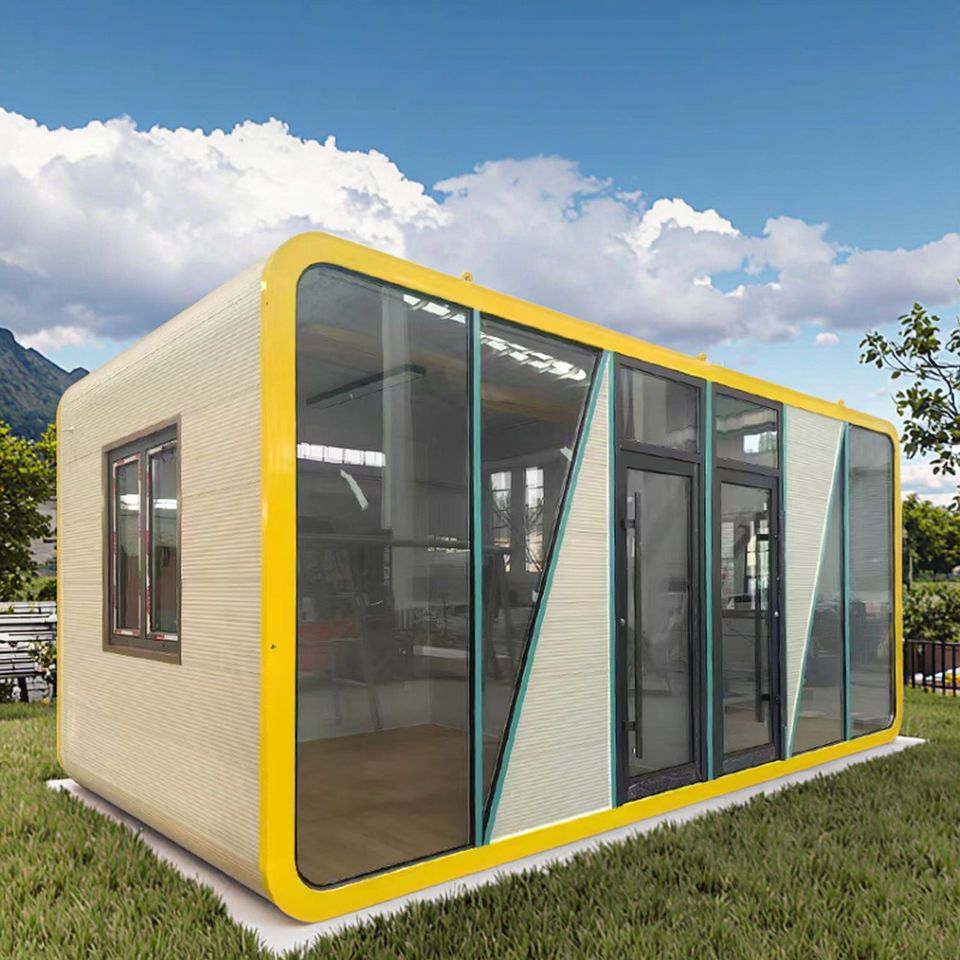
Mobile toilets produced by different manufacturers have distinct characteristics in terms of edge-banding materials and specifications. The edge-banding channel aluminum for the bottom of mobile toilet doors produced by Jiangyin Yongxu Aluminum Co., Ltd. has a thickness of 0.7mm and a standard stock length of 6 meters. This specification of channel aluminum is suitable for edge-banding the bottom of mobile toilet doors. The 0.7mm thickness ensures a certain level of strength while also considering the material's lightness, facilitating installation and transportation. The 6-meter stock length meets the length requirements for edge-banding the bottom of most mobile toilet doors, reducing the need for secondary processing such as cutting.
The edge-banding design of Guang'an mobile toilets is relatively complex, utilizing a steel pipe welding structure overall. The galvanized steel pipes used have specifications of 100503mm, 50503mm, and 50253mm, which are combined based on the size of the toilet. This combination of different pipe specifications can construct a sturdy frame structure according to the actual dimensions and load-bearing requirements of the mobile toilet. Around the roof, stainless steel sheets are used for edge banding. Stainless steel has advantages such as corrosion resistance, high strength, and an aesthetically pleasing appearance, effectively protecting the roof edges from rain erosion and external impacts, thereby extending the service life of the mobile toilet.
The corner edge banding of toilets produced by Beijing Lvjie Chenyang Environmental Protection Equipment Co., Ltd. adopts a method of connecting aluminum alloy corner pieces with rivets. Aluminum alloy corner pieces have good strength and corrosion resistance, providing reliable support and protection for the four corners of the mobile toilet. The rivet connection method ensures a firm connection between the corner pieces and the main structure of the toilet, preventing looseness and guaranteeing the stability and safety of the mobile toilet during use.
In conclusion, there is no unified standard for the edge-banding specifications of mobile toilets. Different manufacturers will select appropriate edge-banding materials and specifications based on their own product characteristics and design requirements to meet the functional and aesthetic needs of mobile toilets.