Mobile Toilet Ecological Environmental Protection
The ecological and environmental protection features of mobile toilets are mainly reflected in four aspects: technical solutions, structural materials, application scenarios, and environmental adaptability.

In terms of technical solutions, mobile toilets employ a variety of environmentally friendly technologies. The waterless flushing solution does not require connection to water supply and drainage pipes, reducing water usage and sewage discharge. The foam sealing solution covers feces with foam, reducing odor emission and lowering the flushing volume. The water flushing solution adopts technologies such as rainwater collection and filtration systems and secondary toilet flushing with hand-washing water to achieve water-saving functions. In addition, waterless ecological toilets utilize advanced microcomputer control systems and sensing systems to automatically detect the presence of users and activate lighting, ventilation, and separation systems. Through composite microorganisms, solid waste is biologically treated into gas, and urine is decomposed and treated to meet the standards for reclaimed water, which is then recycled. This significantly improves resource utilization and reduces environmental pollution.
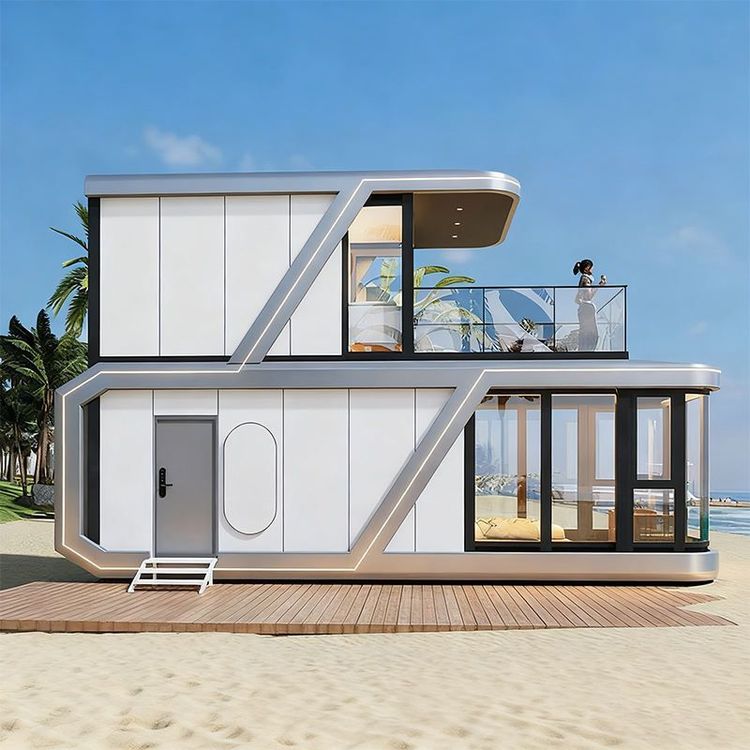
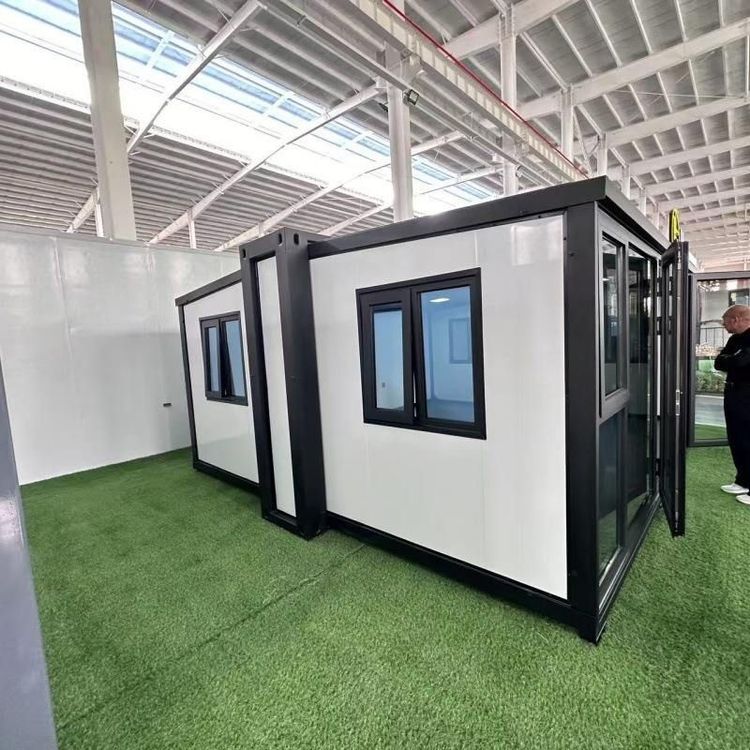
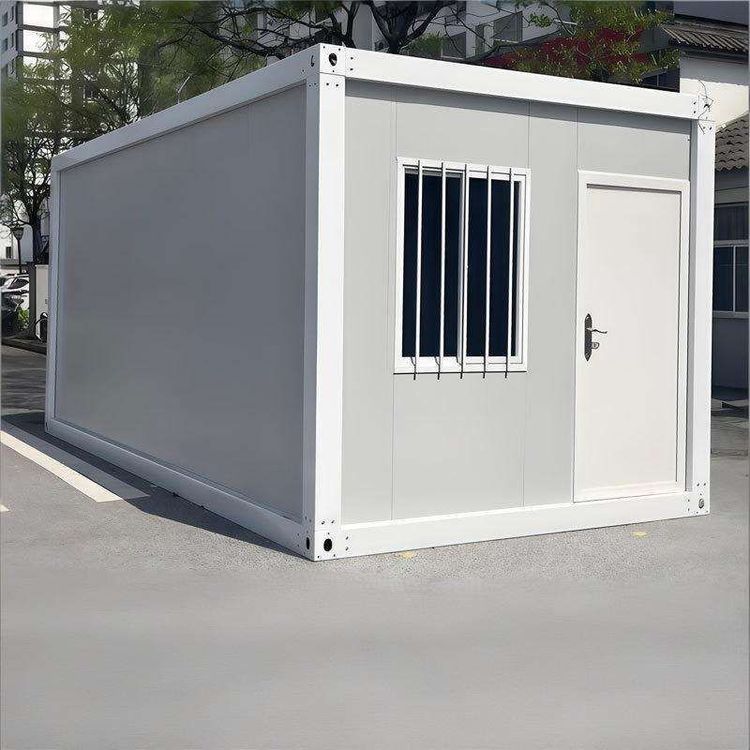
Regarding structural materials, the frames of mobile toilets are mostly welded from steel. The bottom uses channel steel or I-beams, and the columns use square steel. This frame structure facilitates lifting, moving, and installation. Wall materials are selected from environmentally friendly options such as color-coated steel sheets, metal carved panels, aluminum-plastic panels, and anti-corrosion wood. For example, some mobile toilets in scenic spots are entirely made of Class A metal carved panels with internal insulation materials, providing not only good thermal insulation performance but also reducing environmental impact.
In terms of application scenarios, mobile toilets are widely used in various temporary venues, such as entertainment performances, sports events, conferences, and exhibitions, as well as outdoor locations like gardens, tourist attractions, and parks. In tourism scenarios, they can balance the demands of facility construction and environmental protection in scenic spots. Installing mobile toilets in geologically fragile areas can avoid the damage caused by traditional toilet construction. During the peak tourist season, placing them near observation decks can create a "five-minute toilet access circle" for tourists, reducing random trampling and other behaviors caused by searching for toilets, thereby protecting the ecological environment of the scenic spot.
In terms of environmental adaptability, mobile toilets can operate normally within a temperature range of -20°C to 50°C and have a working voltage of 220V. They can adapt to different climatic conditions, ensuring stable operation in various environments and providing strong guarantees for ecological and environmental protection.