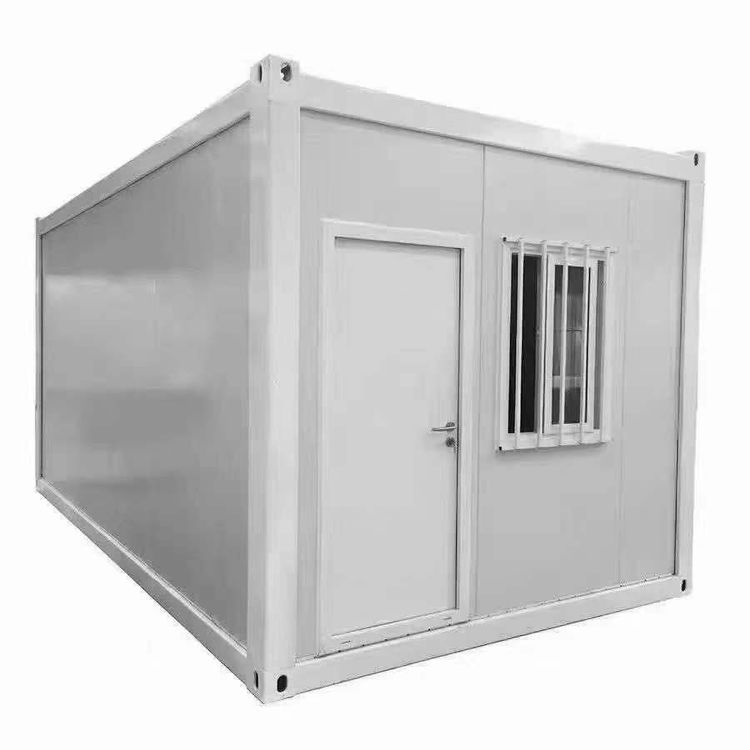
Mobile Toilet Dual-Position Toilet
The mobile toilet dual-position toilet is not a standard product name. Currently, there is a lack of directly corresponding technical definitions or mature product cases in publicly available information, but its possible implementation forms can be inferred through toilet relocation technology and the design principles of dual-function toilets.

I. Speculations on 'Dual-Position'
'Dual-position' may refer to two functions or usage scenarios:
- Squat-and-Sit Dual-Use Design: Similar to the squat-and-sit integrated toilets already available on the market, it enables switching between squatting and sitting through a flippable seat or a lifting structure. Such designs need to address issues like hygiene isolation (e.g., automatic seat cleaning) and structural stability (load-bearing tests must meet public place standards). They are commonly seen in home renovations or small mobile toilet modifications.
- Dual Drain Design: That is, the toilet body is equipped with two independent drains, each connected to different sewage pipes (e.g., separation of urine and feces). Such designs require a配套 (matching) special drainage system and must comply with the requirements in the 'Technical Specifications for Mobile Toilets' regarding the spacing and pipe diameters of the drains. Currently, they are mostly found in experimental models of eco-friendly mobile toilets.
II. Adaptability to 'Mobile Toilets'
The core requirements of mobile toilets are rapid deployment and flexible sewage discharge. Therefore, a 'dual-position toilet' must meet the following:
- Relocation Feasibility: If the toilet position needs to be adjusted, a relocator (changing the front/back or left/right position of the drain) can be used, or the floor can be raised for re-piping. However, the space in mobile toilets is limited, and the relocation distance usually does not exceed 50 cm. Moreover, a slope of ≥2% must be ensured to avoid blockages.
- Lightweight Design: Traditional ceramic toilets are heavy (about 40-60 kg). Mobile toilets mostly use integrated toilets made of plastic or fiberglass-reinforced plastic, which can reduce the weight to less than 20 kg, facilitating transportation and installation.
- Quick-Connect Interfaces: Standardized sewage interfaces (e.g., pipe diameters of DN100 or DN110) must be adopted for quick connection to the fecal storage tank of the mobile toilet or municipal sewage pipes, reducing on-site construction time.
III. Existing Technical References
- Toilet Relocation Case: In a hotel renovation project, a relocator was used to move the toilet back by 30 cm, combined with a pipe diameter of 125 mm and a slope of 2.5%, achieving blockage-free sewage discharge.
- Price of Dual-Function Toilets: The market price of squat-and-sit integrated toilets is about 800-2000 yuan, but additional configurations such as odor-proof floor drains and high-pressure water gun cleaning devices are required.
- Standards for Mobile Toilets: According to the 'Classification and Identification of Mobile Toilets' (GB/T 38837-2020), the internal clear height of toilets must be ≥2.1 m, and the height of the drain center from the ground should preferably be 180-250 mm, providing spatial parameter references for the design of 'dual-position toilets'.
Conclusion: If a customized mobile toilet dual-position toilet is required, it is advisable to first clarify the specific functional requirements of 'dual-position' (squat-and-sit switching or dual drains), and then design it in combination with relocation technology, lightweight materials, and standardized interfaces, while referring to the technical specifications of existing dual-function toilets and mobile toilets to ensure feasibility.