
How to Handle Mobile Toilet Drainage
There are various ways to handle mobile toilet drainage, depending on the type and applicable scenarios, mainly divided into the following categories:
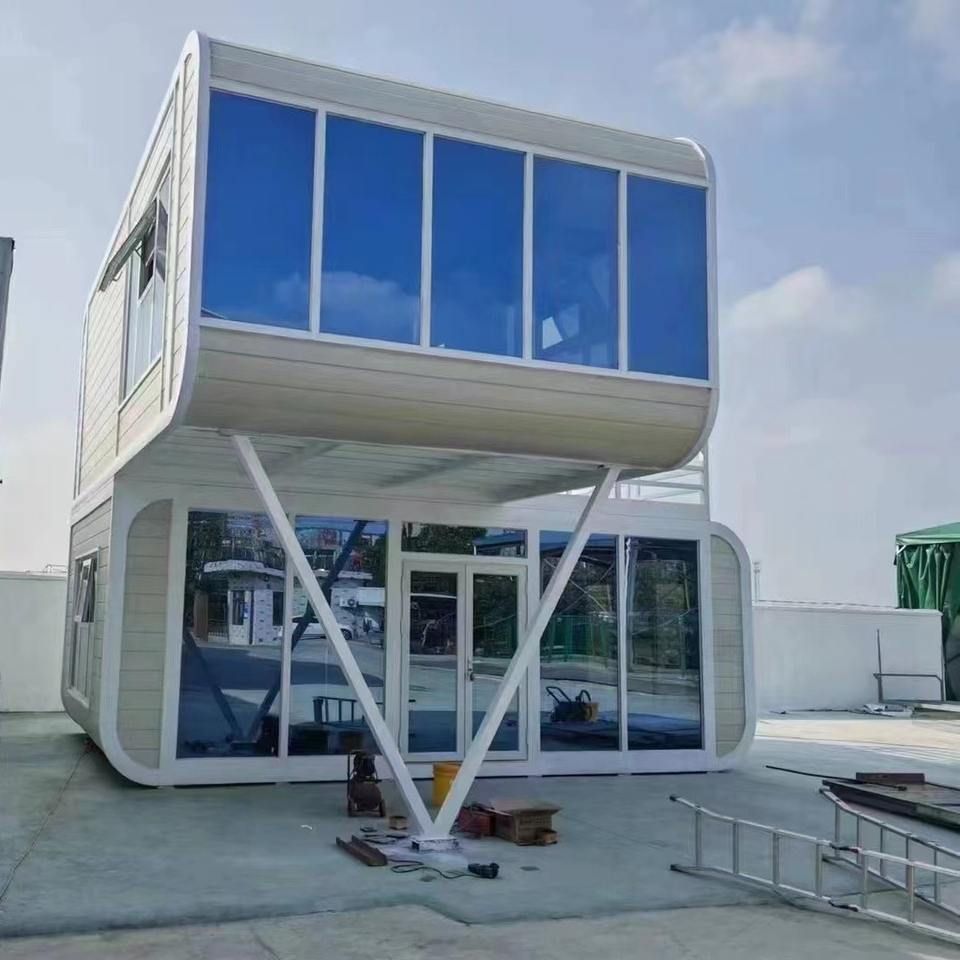
Conventional flush-type drainage relies on a plumbing system with both supply and drainage pipes. It uses manual or automatic sensors to discharge sewage into a septic tank or municipal sewer network. This method requires prior planning of pipe layouts to ensure smooth sewage discharge paths and is suitable for areas with complete municipal infrastructure. Its core advantage is that the treatment process is similar to that of fixed toilets, but regular cleaning of the septic tank is necessary to prevent blockages or odor diffusion.
The vacuum sewage system employs negative pressure technology, using a vacuum pump to quickly suck sewage and waste into a sealed collection container. When the water level in the container reaches a preset threshold, the system automatically initiates the sewage discharge process. This method uses only one-fifth of the water compared to traditional flush systems and its sealed structure effectively prevents leaks and odor emissions, making it suitable for water-scarce areas or places with high hygiene requirements, such as large event venues or high-end scenic spots.
The water-storage sewage system uses water flushing to discharge waste into an independent storage tank, which requires manual cleaning or replacement when full. This method relies on a stable water supply and requires regular maintenance of the storage tank's cleanliness, making it suitable for places with sufficient water sources and convenient transportation for cleaning, such as construction sites or temporary exhibition areas. Its limitation lies in the limited capacity of the storage tank, necessitating frequent monitoring of the water level.
Direct discharge drainage directly connects sewage through pipes to the municipal sewer network for centralized treatment by the urban sewage treatment system. This method requires the mobile toilet to be close to the municipal sewer network and approval from relevant authorities. Its advantage is that no additional treatment facilities are needed, but its applicability is limited by the coverage of municipal infrastructure.
Packaged drainage treatment compresses feces into blocks and stores them in a toilet tank, while sewage is discharged through a separate pipe. This method reduces fecal volume through physical compression, extending the service life of the toilet tank, and is suitable for areas with high pedestrian traffic but inconvenient frequent cleaning, such as transportation hubs or natural disaster emergency sites. Regular replacement of the toilet tank is necessary to avoid capacity overruns.
Microbial degradation drainage utilizes specific microbial communities to decompose feces, ultimately converting them into water, carbon dioxide, and a small amount of residue. This method does not require connection to supply and drainage pipes, and the residue can be recycled as organic fertilizer, making it suitable for places with difficult water access or high environmental requirements, such as remote mountainous areas or ecological protection zones. Its core lies in maintaining the temperature, humidity, and other environmental conditions required for microbial activity.
Vacuum collection drainage uses a vacuum pump to quickly collect sewage and feces into a sealed storage tank, suitable for places with high pedestrian density and hygiene requirements, such as stadiums or large conference centers. This method combines the efficiency of vacuum sewage systems with the hygiene of sealed storage, but requires a professional equipment maintenance team.



