Mobile Toilet Drainage
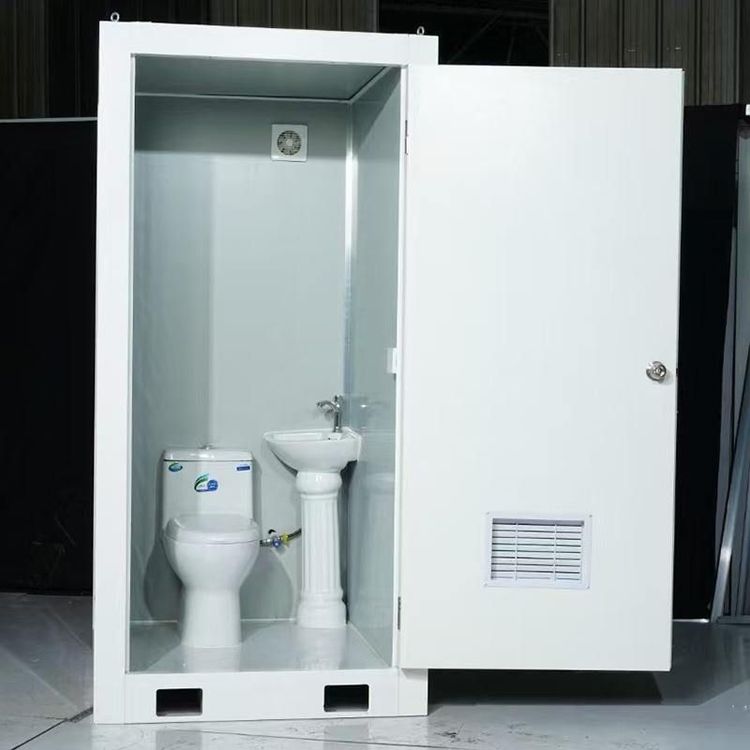
The drainage method of mobile toilets mainly relies on fecal sewage storage tanks or fecal sewage disposal devices. Some use gravity flushing combined with foot pump-assisted drainage, and are equipped with exhaust pipes to expel odors.

The drainage system of mobile toilets is one of their core functions, and its design must balance convenience, hygiene, and environmental protection. The fecal sewage storage tank is the fundamental structure for drainage in mobile toilets, responsible for collecting feces and sewage generated during use. The capacity of the storage tank is designed according to the frequency and scale of toilet use, ensuring that frequent cleaning is not required over a period of time. When the storage tank is nearly full, it can be transported by specialized vehicles to designated disposal sites for discharge or further treatment.
Some new types of mobile toilets, such as the 2026 new lightweight plastic mobile toilet, adopt a drainage method combining gravity flushing and foot pump assistance. This design utilizes gravity to naturally flush the toilet bowl with water, while the foot pump provides additional flushing pressure to ensure that waste smoothly enters the sewage tank. This method not only improves drainage efficiency but also reduces water waste, aligning with environmental protection concepts.
The design of the exhaust pipe is also a crucial aspect of the drainage system in mobile toilets. Since odors are generated during the storage of feces and sewage, the exhaust pipe effectively expels these odors, keeping the air inside the toilet fresh. The exhaust pipe is usually installed on the top or side of the toilet to ensure that odors can be smoothly expelled while preventing the influx of external air.
The drainage system of mobile toilets also involves the selection of materials and brands. Different brands and materials of mobile toilets exhibit variations in drainage performance. For example, brands such as Hongshengtong, Jielida, and Tianjin are well-known in the field of mobile toilets, with product materials covering steel structures, composite panels, stainless steel, etc. These materials not only affect the durability of the toilet but also have an impact on the performance of its drainage system. Users can make comprehensive considerations based on actual needs and usage environments when selecting.