Where Do Mobile Toilets Discharge To
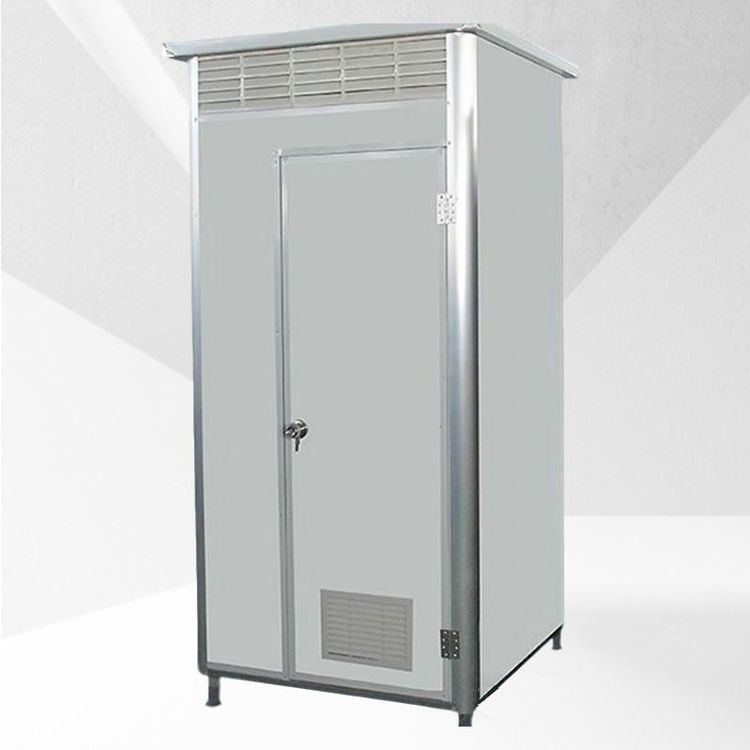
The discharge location and method of mobile toilets depend on their type and configuration. Common discharge destinations include municipal sewage networks, storage devices, treatment stations, or direct use for landscaping, etc.

Direct-discharge mobile toilets: Sewage is directly connected to the municipal sewage network through pipes and is ultimately treated centrally by the urban sewage treatment system. This discharge method is suitable for locations with a municipal sewage network and relatively close proximity, such as city streets and parks. Its advantage lies in quickly incorporating sewage into the urban sewage treatment system, reducing direct pollution to the environment, and eliminating the need for frequent cleaning of the toilet's internal storage device.
Packaged mobile toilets: Feces are compressed into blocks and stored in the toilet tank, while sewage is discharged through drainage pipes. When the toilet tank is full, it needs to be regularly cleaned and replaced. The cleaned feces and sewage are usually transported by specialized vehicles to designated treatment sites. This discharge method is suitable for areas with high pedestrian traffic but where frequent cleaning is inconvenient, such as large event venues. It effectively reduces odor emissions and maintains a relatively clean internal toilet environment.
Microbial degradation mobile toilets: Microbial communities are used to decompose feces into water, carbon dioxide, and a small amount of residue. The treated water can be directly discharged or used for landscaping irrigation. This discharge method is suitable for locations where water access is inconvenient and environmental protection requirements are high, such as scenic spots and野外作业场地 (field operation sites). It not only reduces sewage discharge but also achieves resource recycling, being environmentally friendly.
Vacuum collection mobile toilets: Sewage and feces are quickly collected into storage tanks through a vacuum pump. When the storage tanks are full, they need to be transported to a treatment station for discharge using specialized vehicles. This discharge method is suitable for locations with high pedestrian density and strict hygiene requirements, such as airports and high-speed rail stations. It efficiently collects sewage and feces, prevents odor diffusion, and ensures a hygienic environment at the site.
Water-storage sewage system mobile toilets: Sewage is discharged into a storage tank through water flushing. When the storage tank is full, it needs to be cleaned and replaced. This is suitable for locations with sufficient water supply and convenient cleaning. The cleaned sewage is usually treated or discharged in accordance with local environmental protection requirements.
Conventional water-flush mobile toilets: They need to be connected to water supply and drainage pipes, with sewage discharged into septic tanks or municipal sewage networks, suitable for various water-rich environments. Septic tanks can perform preliminary treatment on sewage, reducing the impact on municipal sewage networks.