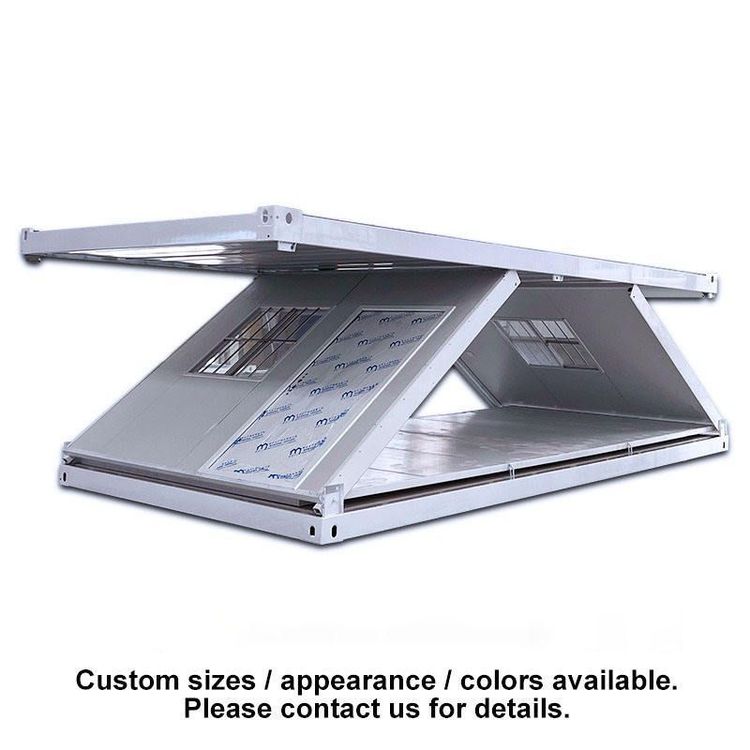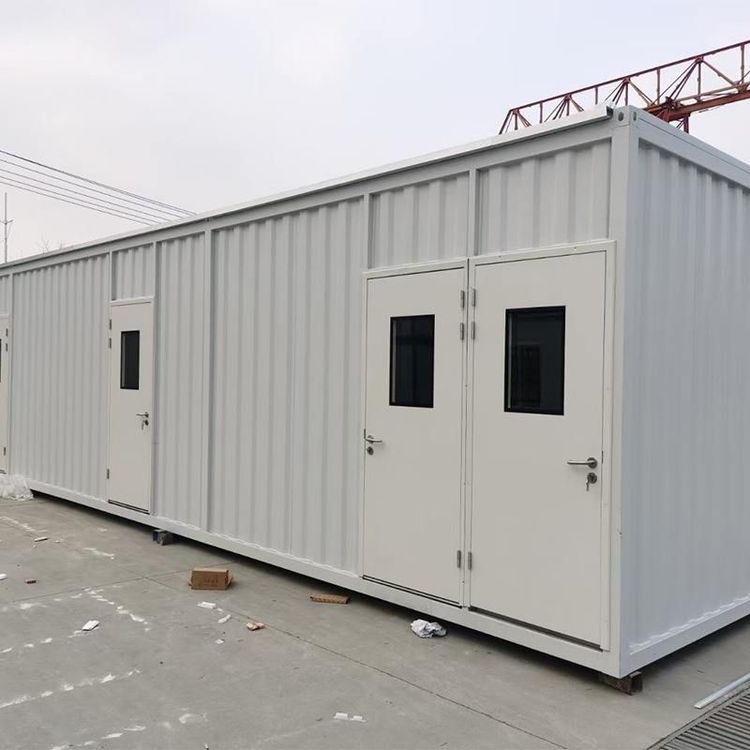
Mobile Toilet Direct Sales
There are direct sales channels for mobile toilets, primarily through manufacturers selling directly to customers, reducing intermediary links and providing customized services.
I. Characteristics of the Direct Sales Model
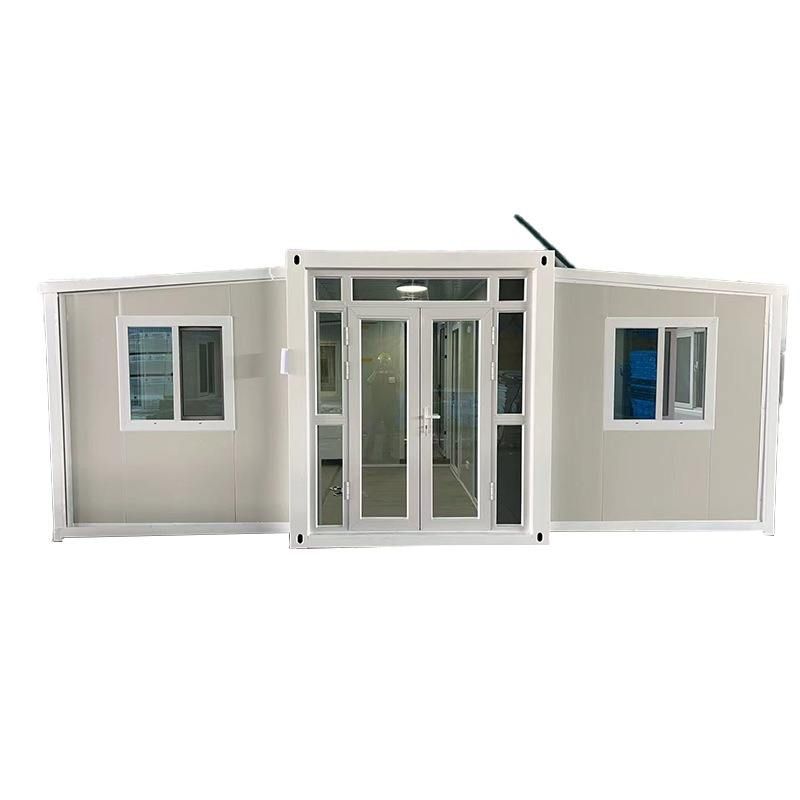
The direct sales model for mobile toilets centers around manufacturers directly connecting with demanders such as scenic spots, parks, and construction sites. For example, some manufacturers offer services like "customized direct sales of outdoor mobile toilets for scenic spots, parks, restrooms, washrooms, and eco-friendly toilets". Customers can choose products of different specifications based on usage scenarios (such as peak tourist volumes in scenic spots or construction periods at construction sites), including single-toilet units, multi-toilet combinations, or additional barrier-free facilities. This model eliminates the distributor link, making prices transparent and more competitive, while also supporting bulk purchase discounts, suitable for large-scale projects or long-term usage needs.
II. Product Types and Customization
Direct sales products typically cover various types to adapt to different environments:
- Eco-friendly Mobile Toilets: Utilizing technologies such as biodegradation and foam sealing to reduce water consumption, suitable for water-scarce areas or ecologically sensitive scenarios.
- Steel-structured Mobile Toilets: Featuring metal frames as the main body, they are wind-resistant, rain-resistant, and thermally insulated, suitable for cold northern regions or coastal areas with strong winds.
- Multi-functional Combined Toilets: Integrating modules such as washbasins, management rooms, and storage rooms to meet the comprehensive service needs of scenic spots.
Manufacturers support on-demand customization, such as adjusting the number of toilet units, exterior colors, materials (such as stainless steel or color-coated steel plates), and adding smart devices (such as sensor faucets and air purification systems) to ensure a high match between the product and the usage scenario.
III. Service and After-sales Support
The direct sales model is usually accompanied by a comprehensive service system:
- Installation and Commissioning: Manufacturers provide on-site installation guidance to ensure stable equipment operation.
- Maintenance Training: Conduct basic maintenance training for users to extend product lifespan.
- After-sales Response: Commit to quick repairs or replacement of parts to minimize downtime.
Some manufacturers also offer leasing services, suitable for short-term events (such as music festivals and exhibitions), further reducing customer costs.
IV. Suggestions for Choosing Direct Sales Manufacturers
- Verify Qualifications: Prioritize selecting regular manufacturers with environmental certifications and production licenses to ensure product quality meets national standards.
- Case References: Request manufacturers to provide past project cases to evaluate their customization capabilities and service levels.
- Contract Terms: Clarify delivery cycles, payment methods, and after-sales responsibilities to avoid disputes.