
Mobile Toilet Design Professional
Mobile toilet design requires comprehensive consideration of various professional elements such as structure, layout, and configuration, adhering to principles of mobility, environmental protection, and efficiency enhancement.
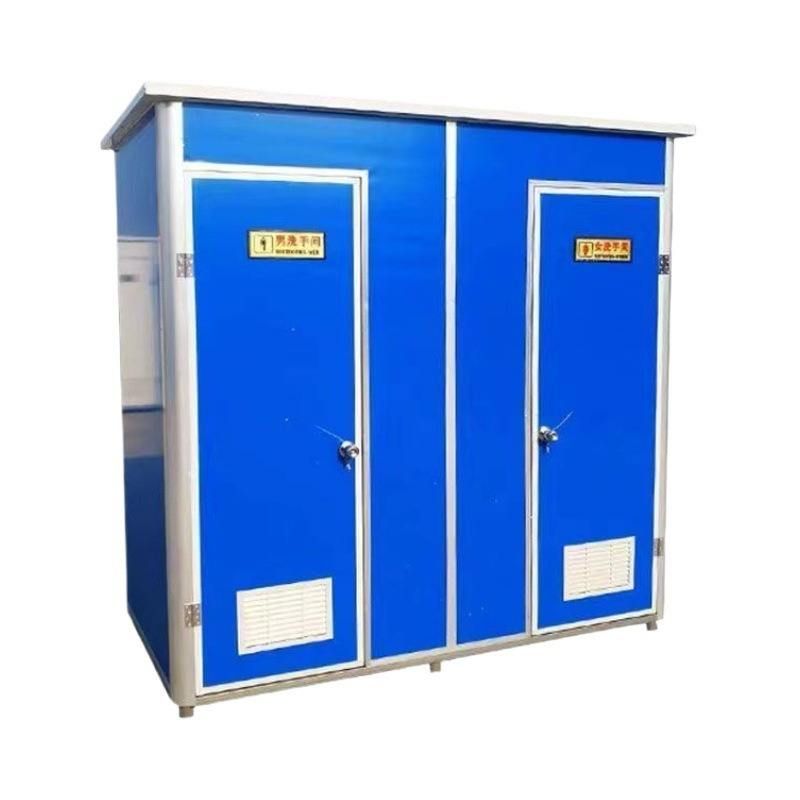
Structural Design Considerations
The overall structure of a mobile toilet must balance lightness and sturdiness. When selecting materials, preference should be given to lightweight yet durable options to reduce overall weight, facilitating easy movement and transportation. Simultaneously, the structure must be sufficiently robust to ensure safety and stability during use. In terms of dimensions, the height and width of the toilet should be reasonably controlled to prevent difficulties in movement or excessive space occupation due to oversized dimensions. The design of the mobile mechanism is also crucial, requiring completeness and rationality to select an appropriate moving method based on different usage scenarios and needs. Common classifications include single-unit and composite-structure mobile toilets based on structural form; hoisting, handling, powered, and towed mobile toilets based on moving method; and water-flushing, non-water-flushing suction, circulating water-flushing, and dry-packing mobile toilets based on sewage treatment method.
Layout Design Considerations
Layout design should be flexibly adjusted according to actual usage needs and site conditions. For example, some designs feature fire-resistant and flame-retardant exterior walls, with main frames constructed from 8*8 square steel welds. They incorporate double ultra-wide hand-washing areas, double hand-washing basins, beauty mirrors, and two standing stalls in the toilet area. This layout meets the needs of multiple users simultaneously while providing convenient hand-washing and makeup spaces. Another layout includes four squatting stalls and a management room, equipped with ceramic squatting pans, flush tanks, exhaust fans, ceiling lights, and urinals, along with a one-meter exterior step, making it spacious and suitable for venues with high foot traffic.
Configuration Design Considerations
Configuration should be selected based on different sewage treatment methods and usage needs. For instance, dry-packing mobile toilets do not require water and are suitable for water-scarce areas or temporary events. Water-flushing, non-water-flushing suction, and circulating water-flushing mobile toilets are applicable to venues with high hygiene requirements. Additionally, equipment such as ceiling lights and exhaust fans can be configured as needed to enhance user comfort.



