Mobile Toilet Design Description
The design of mobile toilets requires comprehensive consideration of functionality, portability, hygiene, and environmental adaptability. The design description is as follows:
Design Principles
Mobile toilets should balance indoor comfort and outdoor practicality, adhering to the core principles of easy mobility, economic durability, environmental ecology, enhanced efficiency, and humanitarian promotion. The design should balance cost and performance, ensuring that basic usage needs are met while minimizing environmental impact and reflecting humanistic care.
Material Selection
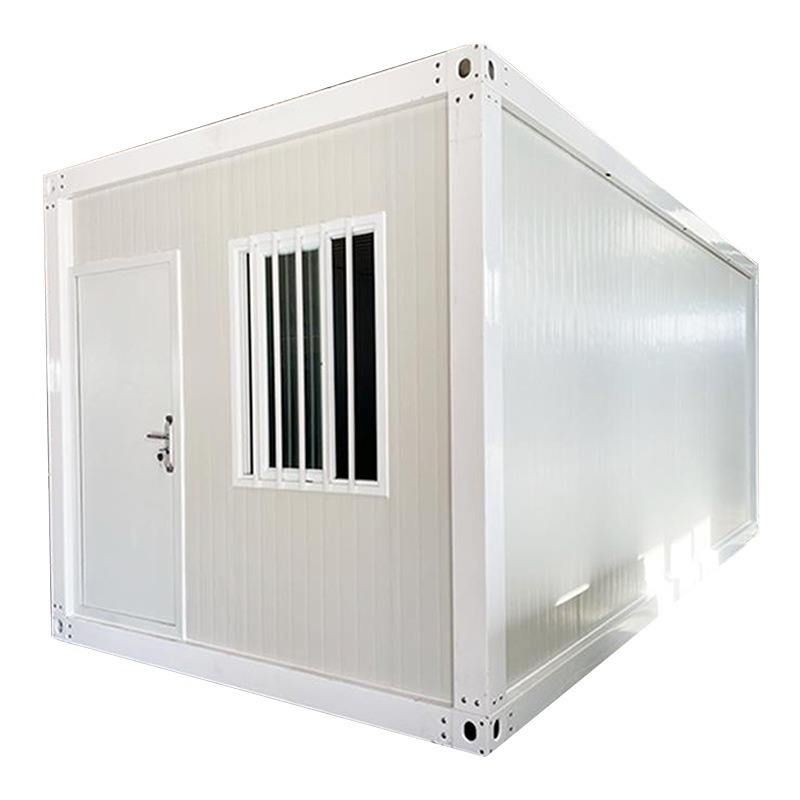
The main structure is primarily composed of a metal frame (such as iron sheet profiles), providing stable support; the exterior is covered with color-coated steel plate edging, and the interior is filled with foam material for thermal insulation. Key components are selected from durable, waterproof, and easy-to-clean materials such as stainless steel, plastic, fiberglass, and polyethylene, ensuring long-term use without corrosion or deformation.
Structural Design
Modular design is adopted for easy and rapid disassembly, transportation, and assembly; the top and bottom are separate structures, supporting the shipment of loose parts to meet transportation needs in remote areas. The interior space is compact yet fully functional, typically divided into squatting toilet areas, urinal areas (for men only), and handwashing areas, equipped with toilets, sinks, storage cabinets, and other facilities to meet basic turning needs.
Portability
The design must strictly control weight and dimensions to ensure that they can be carried by a single person or small equipment; the moving device must be complete and reasonable, supporting repeated use. For example, using a foldable frame or lightweight materials reduces transportation and installation difficulties.
Hygiene Standards
Design revolves around odor control, waste disposal, and cleanliness:
- Use self-priming or foam-sealing squatting toilets to reduce odor diffusion;
- Equip with foot-operated or sensor-activated sinks to avoid cross-contact;
- The inner wall of the feces collection tank is coated with an anti-stick coating, and it is regularly cleaned and transported by a dedicated feces suction truck without the need to open the lid, preventing secondary pollution.
Humanized Details
- Standard equipment includes plastic windows to introduce natural light and ensure privacy;
- Use metal locks and color-coated steel edging treatment to avoid exposed sharp edges;
- The door lock is equipped with an emergency opening device from both inside and outside to prevent accidental entrapment;
- The equipment size balances practicality and compactness, optimizing the internal space layout.
Environmental Adaptability
Adjust the design according to climatic characteristics:
- Select corrosion-resistant and moisture-proof materials in hot and humid rainy areas;
- Design the roof with a slight slope and rain-proof eaves to prevent water accumulation and leakage;
- In extreme environments, ventilation systems or thermal insulation layers can be added to enhance comfort.
Installation and Maintenance
Before installation, check the completeness of the loose parts and assemble the frame in the order specified in the instructions, ensuring smooth opening and closing of doors and windows before fixing the exterior panels. During use, regular maintenance is required, including cleaning and disinfecting the equipment and checking for component wear to avoid odor accumulation or functional failure.