
Mobile Toilet Design Customization
Mobile toilet design customization offers a variety of options and features, covering design styles, functional configurations, structural materials, and service models.
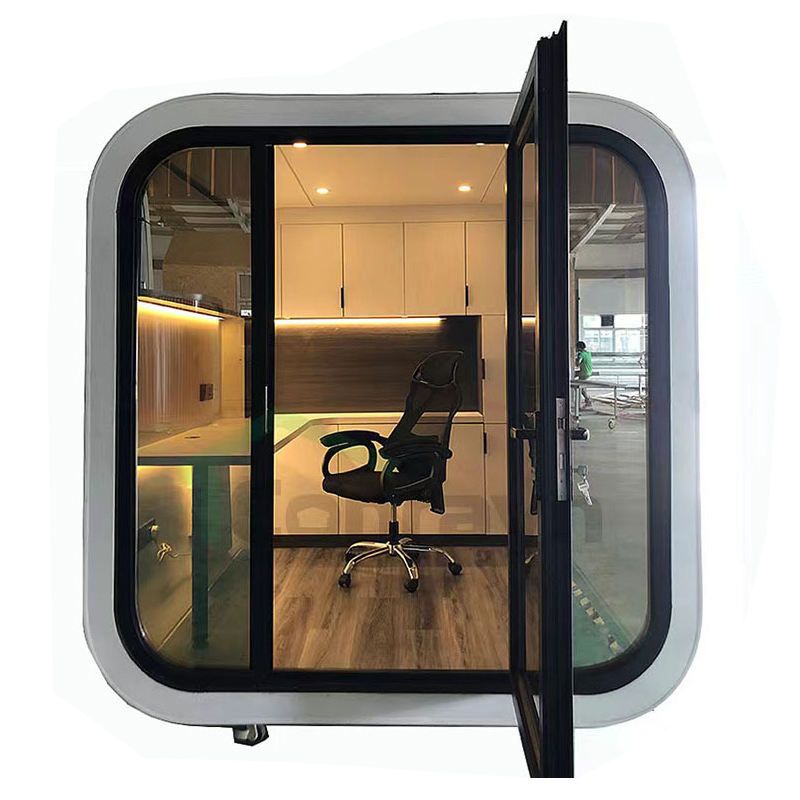
Design Styles and Appearance Customization The exterior design of mobile toilets is flexible and diverse, meeting the needs of different scenarios. For example, the Apple Cabin four-position shift design adopts a modular structure. Taking the 4-squat-position model as an example, the exterior walls are coated with thickened fluorocarbon paint, and the color can be customized according to requirements. The handwashing area is equipped with a double-basin handwashing cabinet and a dressing mirror. The men's and women's areas each have two partitioned squat positions, and the internal sanitary ware is configured according to home standards, balancing practicality and aesthetics. In addition, manufacturers offer a variety of style options such as antique, modern minimalist, and cartoon styles. Especially for scenic spots and other scenarios, high-value appearances can be customized to blend with the surrounding environment and enhance overall harmony.
Functional Configurations and Customized Services Functional configuration is the core aspect of customization. Basic configurations include fecal sewage storage tanks (or disposal devices), flooring, sanitary ware, walls, washing equipment, water tanks, roofs, and mobility devices. According to needs, these can be upgraded to intelligent systems, such as automatic感应冲水 (automatic sensor flushing), air purification devices, and energy-saving lighting. Some manufacturers offer "one-stop services," from design to refined decoration and delivery, eliminating the need for users to install and debug themselves, saving time and effort. The direct factory production model also reduces intermediary links, lowering costs and improving cost-effectiveness.
Structural Materials and Durability Design Mobile toilets need to balance portability and sturdiness. The overall structure often uses lightweight and durable materials, such as high-strength steel structure integrated welding, which reduces weight while enhancing wind and earthquake resistance, suitable for harsh outdoor environments. The design must control height and width to ensure mobility, while being equipped with complete mobility devices (such as wheeled or towed structures). The principle of environmental protection is reflected in material selection, such as using recyclable materials or low-pollution paints to reduce environmental impact.
Customization Process and Applicable Scenarios The customization process typically includes requirement communication,方案设计 (scheme design), production and installation, and after-sales maintenance. Users can propose specific requirements based on usage scenarios (such as scenic spots, construction sites, temporary events), and manufacturers provide personalized solutions. For example, mobile toilets in scenic spots need to focus on appearance integration and adaptation to tourist traffic, while those in construction sites emphasize durability and rapid deployment capabilities. The integrated production model ensures stable quality while shortening delivery cycles to meet urgent needs.



