
Back to blog
Article
Mobile Toilet Design and Construction
Admin October 06, 2026
The design and construction of mobile toilets require comprehensive consideration from both design and construction aspects, covering key links such as design principles, structural forms, construction preparations, and special construction.
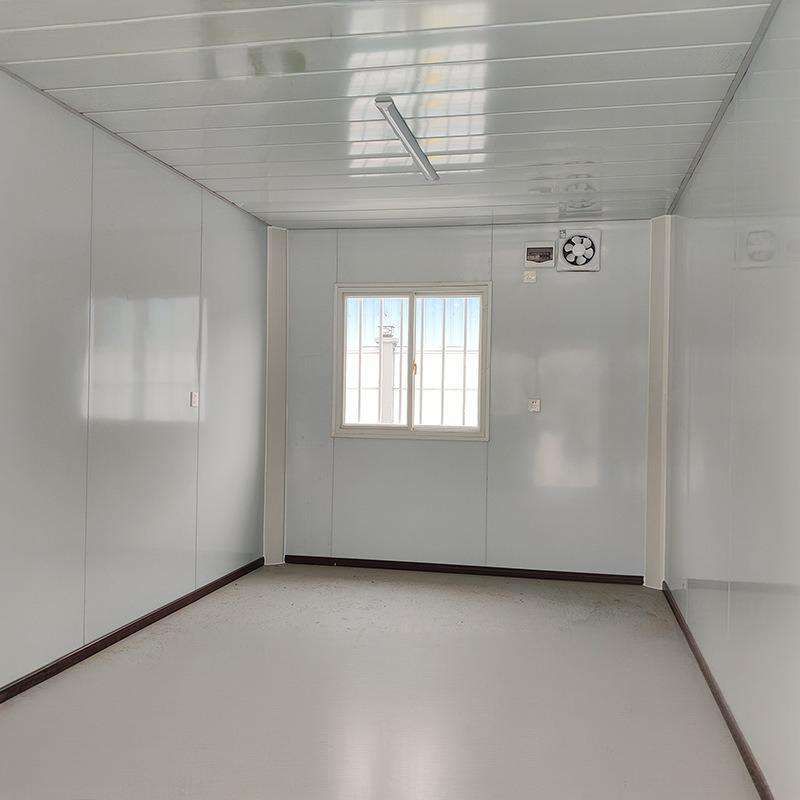
Design Aspects
- Design Principles: Adhere to principles of mobility, cost-effectiveness, durability, environmental friendliness, and efficiency enhancement. The overall structure should be lightweight, using durable yet lightweight materials to ensure robustness while controlling height and width. The mobile mechanisms should be complete and reasonable.
- Structural Forms: Mobile toilets are divided into single-unit and composite-structure types, which can be selected based on actual needs and usage scenarios.
- Mobility Methods: There are lifting and handling types, as well as powered and towed types, with different mobility methods suitable for various sites and transportation conditions.
- Sewage Treatment Methods: These include water-flush and waterless suction types, circulating water-flush types, and dry-packing types, chosen based on environmental requirements and usage costs.
- Components: Generally consist of fecal sewage storage tanks (or disposal units), floor slabs, sanitary fixtures, walls, washing facilities, water tanks, roofs, and mobile mechanisms.
Construction Aspects
- Foundation Construction: Must meet requirements for load-bearing stability, anti-settlement, and waterproofing and anti-seepage, considering the convenience of equipment lifting and pipeline connections. Before construction, technical, material, equipment, and site preparations should be made, such as organizing technicians to familiarize themselves with drawings, preparing qualified materials, equipping construction equipment, and clearing the site.
- Special Construction: Clearly define the project management organization and develop a construction schedule, including stages such as construction preparation, foundation construction, main structure installation, interior decoration, water and electricity installation and commissioning, and completion acceptance. At the same time, develop a resource allocation plan to reasonably arrange labor, machinery, and materials, dynamically adjust personnel numbers according to the construction schedule, and procure relevant materials in advance to ensure smooth construction progress.



