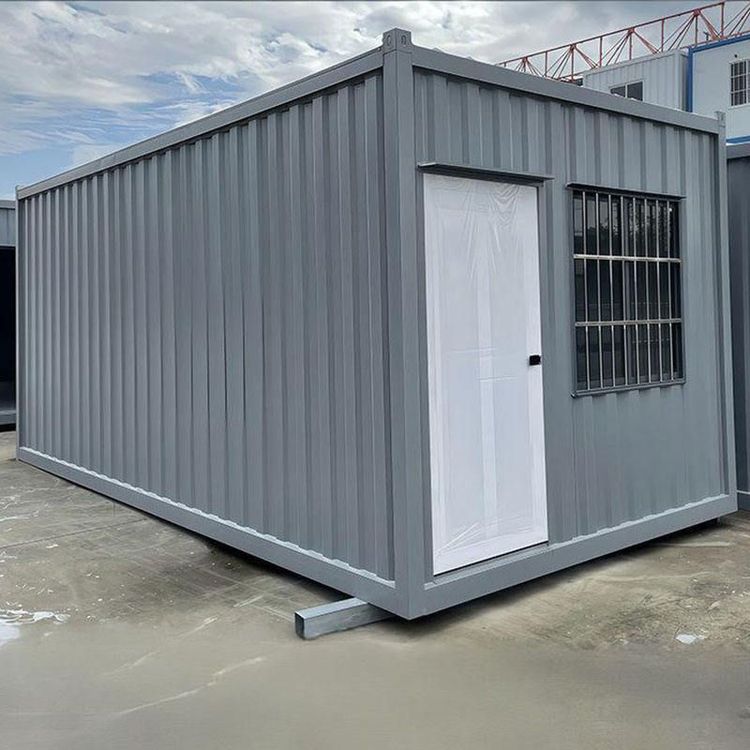
Mobile Toilet Delivery
The following are the key points regarding the delivery of mobile toilets:

On-site Handling During Delivery: At the delivery site of mobile toilets, staff members carry out meticulous loading operations. To ensure that the mobile toilets are not damaged during transportation, a series of protective measures are taken. For example, protective strips are affixed to key parts, and internal facilities are properly secured and protected to ensure that internal measures are in place, preventing damage caused by shaking or collisions during transit.
Product Features and Suitable Scenarios: When delivered as finished products, mobile toilets offer high convenience. They can be put into use simply by connecting to water and electricity supplies upon arrival. This feature makes them highly suitable for various locations, such as scenic spots, where they can meet the toilet needs of a large number of tourists and enhance their sightseeing experience; campsites, providing basic sanitation facilities for campers; parks, facilitating daily leisure activities for citizens; and tourist resorts, creating a comfortable vacation environment for visitors.
Delivery Locations and Timeframes: Different manufacturers have varying delivery locations and timeframes. Taking Henan Hemai Industrial Co., Ltd. as an example, its delivery location is in Zhengzhou, Henan, with a delivery timeframe of within 7 days and a total supply capacity of up to 6,000 units. This indicates that the manufacturer has certain production capabilities and delivery efficiency, enabling it to meet market demand on a certain scale.
Delivery Scope and Quality Inspection: The delivery scope of mobile toilets covers the entire country, allowing customers from anywhere to potentially receive the products. Before delivery, manufacturers conduct rigorous inspections to ensure that each mobile toilet meets quality standards and can function properly. This step is crucial for safeguarding customer rights, as only products that pass the inspection are allowed to be delivered, thereby reducing the likelihood of problems encountered by customers during use.