
Mobile Toilet Customer Analysis
The customer analysis of mobile toilets covers demand industries, consumption characteristics, stability and trends, as well as segmented scenarios, as detailed below:
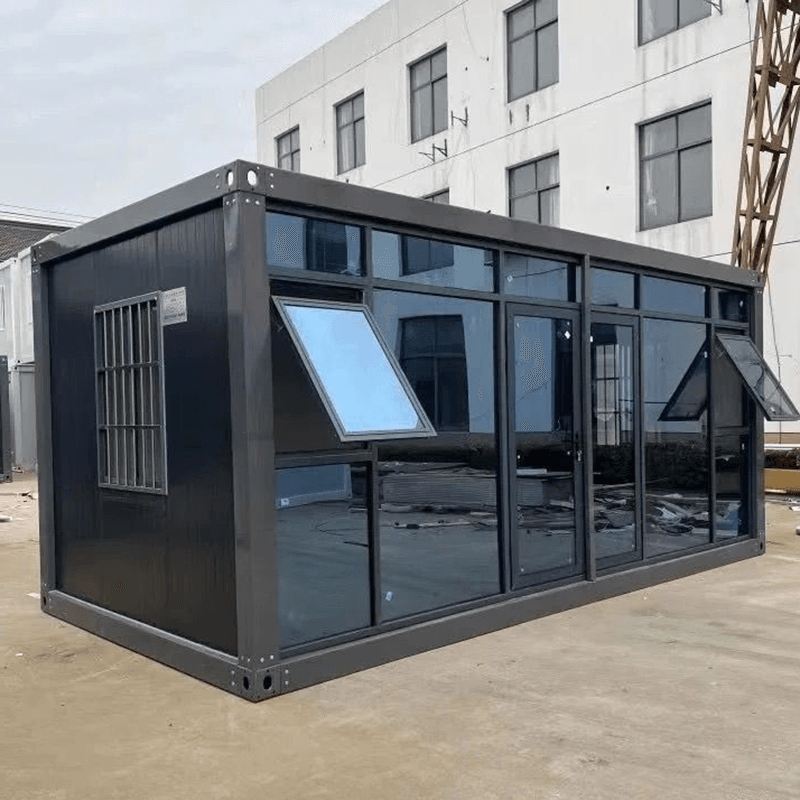
I. Main Demand Industries and Market Shares
Mobile toilets have a wide range of application scenarios, covering municipal engineering, public events, emergency disaster relief, tourism services, transportation stations, and other fields. Construction sites, large event venues, tourist attractions, natural disaster relief areas, and urban public areas are the core demand scenarios. For example, construction sites have a持续增长 (sustained growth) in demand due to mandatory policy requirements for temporary sanitation facilities; tourist attractions need to deploy a large number of mobile toilets during peak seasons to meet tourist needs; in disaster relief scenarios, mobile toilets with independent sewage storage and rapid deployment capabilities become essential.
II. Consumption Characteristics of Customer Groups
- Differentiated Functional Needs: Customers' demands for product functionality are polarized. Basic models (such as entry-level folding models relying on disposable waste bags) focus on cost-effectiveness and are suitable for temporary events or budget-constrained scenarios; high-end models are equipped with barrier-free facilities, smart sensing systems, deodorization devices, etc., to enhance user experience and management efficiency.
- Environmental Protection and Sustainability: With the popularization of environmental awareness, customers' demand for energy conservation, emission reduction, and resource recycling has increased. For example, some products adopt solar power systems, rainwater collection devices, or microbial degradation technology to reduce environmental pollution.
- Regional Consumption Differences: Market penetration rates vary significantly across different regions. Taking Ningxia as an example, the market size for mobile toilets has grown rapidly, but overall penetration remains below the national average, with tourist attractions, construction sites, and exhibitions being the three major demand areas.
III. Stability and Trends of Customer Groups
- Stability: Scenarios such as construction sites and disaster relief have strong rigid demand, resulting in relatively stable customer groups; demand in tourist attractions and large events is driven by seasonality and events, showing greater volatility.
- Consumption Trends: Intelligence and customization have become new directions. IoT technology enables remote monitoring of equipment status, while solar power systems reduce operation and maintenance costs; demand for temporary event toilets in rural areas is gradually increasing. Additionally, overseas markets have spawned high-end segmented categories such as vehicle-mounted pull-out models and healthcare barrier-free models, reflecting customers' pursuit of differentiated application scenarios and functionality.
IV. Segmented Scenarios of Customer Groups
- Elderly Care: Portable toilets, due to their lightweight and movable characteristics, have become essential products for home-based elderly care adaptation.
- Outdoor Cultural Tourism: The popularity of leisure activities such as camping, RV travel, and short-distance self-driving is driving the transformation of mobile toilets into universal consumer products for the general public.
- Emergency Disaster Relief: There is a stable demand for mobile toilets with independent sewage storage and rapid deployment capabilities in disaster relief areas.
- Engineering Infrastructure: The demand for temporary facilities at construction sites has increased by 20% annually, becoming an important growth point driven by policy.



