Custom Processing of Mobile Toilets
Mobile toilets can be customized and processed. Here is a detailed introduction to the custom processing of mobile toilets:

I. Feasibility of Custom Processing
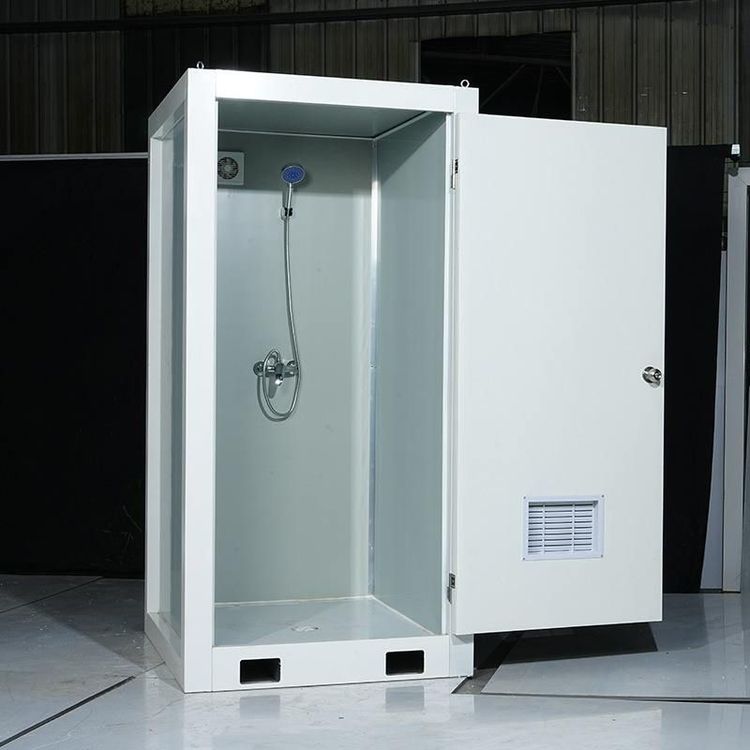
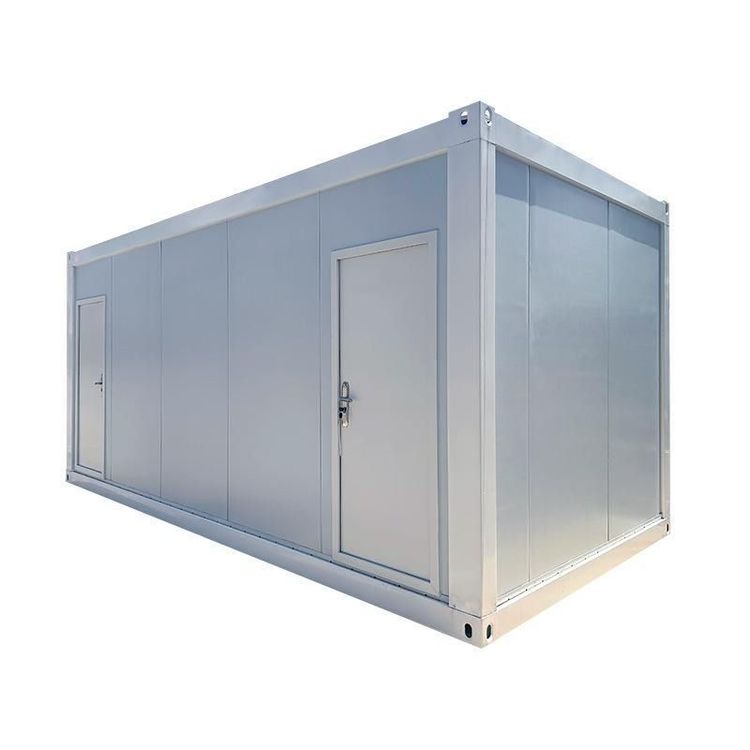
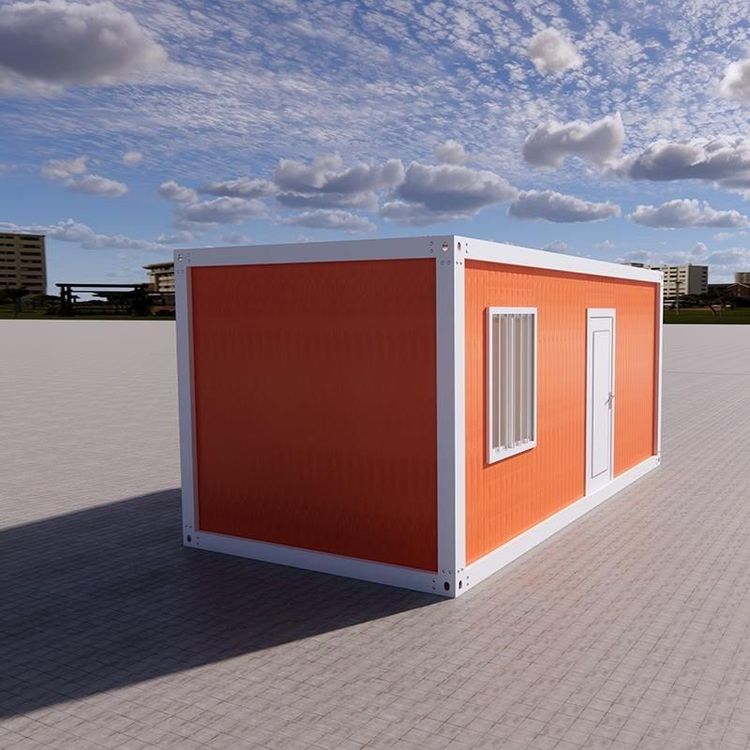
Custom processing of mobile toilets has become a common service model in the industry, with many companies possessing the relevant capabilities. For example, Chongqing Shuda Municipal Facilities Co., Ltd. provides customized mobile toilet processing services for the Youyang area in Chongqing. Henan Hemai Industrial Co., Ltd. produces products in specifications such as 1.3×1.3×2.35 meters and 1.1×1.1×2.35 meters using materials like color-coated steel sheets or metal carved panels. Taihe Mobile Toilet Customization Manufacturer even offers dual customization options for both style and functional configurations. These cases demonstrate that the custom processing of mobile toilets has formed a mature industrial chain, capable of meeting the needs of different scenarios.
II. Core Elements of Custom Processing
Material Selection
In custom processing, material is a key factor affecting product performance. Color-coated steel sheets are lightweight and corrosion-resistant, suitable for short-term use scenarios. Metal carved panels, on the other hand, enhance aesthetics through surface processes while maintaining structural strength, often used in scenic spots or commercial areas. Companies can choose appropriate materials based on the usage environment (such as humidity and high temperature) and budget.Specification Design
Size customization should be combined with spatial constraints and usage requirements. For example, a compact design of 1.1×1.1×2.35 meters is suitable for areas with low foot traffic, while a wider version of 1.3×1.3×2.35 meters can accommodate more functional modules. Height design usually follows ergonomic standards to ensure user comfort.Functional Configuration
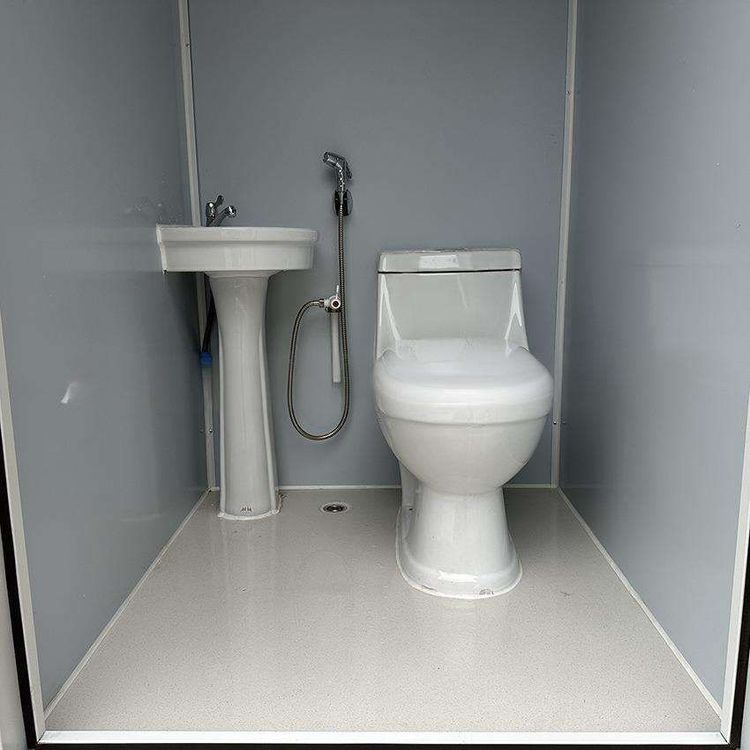
Functional customization is a core advantage of mobile toilets. Basic configurations include lighting and ventilation systems, while advanced functions can include smart sensor flushing, deodorization devices, and barrier-free facilities. Some companies also offer environmentally friendly solutions such as solar power supply and sewage recycling treatment to adapt to ecologically sensitive areas.
III. Custom Processing Process
Companies typically follow a standardized process of 'demand communication - solution design - production and processing - installation and debugging'. Customers need to clarify key information such as usage scenarios, budget, and functional preferences. Manufacturers present design solutions through 3D modeling or drawings, which are then confirmed before entering the production phase. Finally, on-site assembly and functional testing are completed.