
Creative Purpose of Mobile Toilets
The creative purposes of mobile toilets are mainly reflected in four aspects: enhancing aesthetics, optimizing user experience, meeting diverse scenario demands, and implementing eco-friendly and energy-saving concepts.
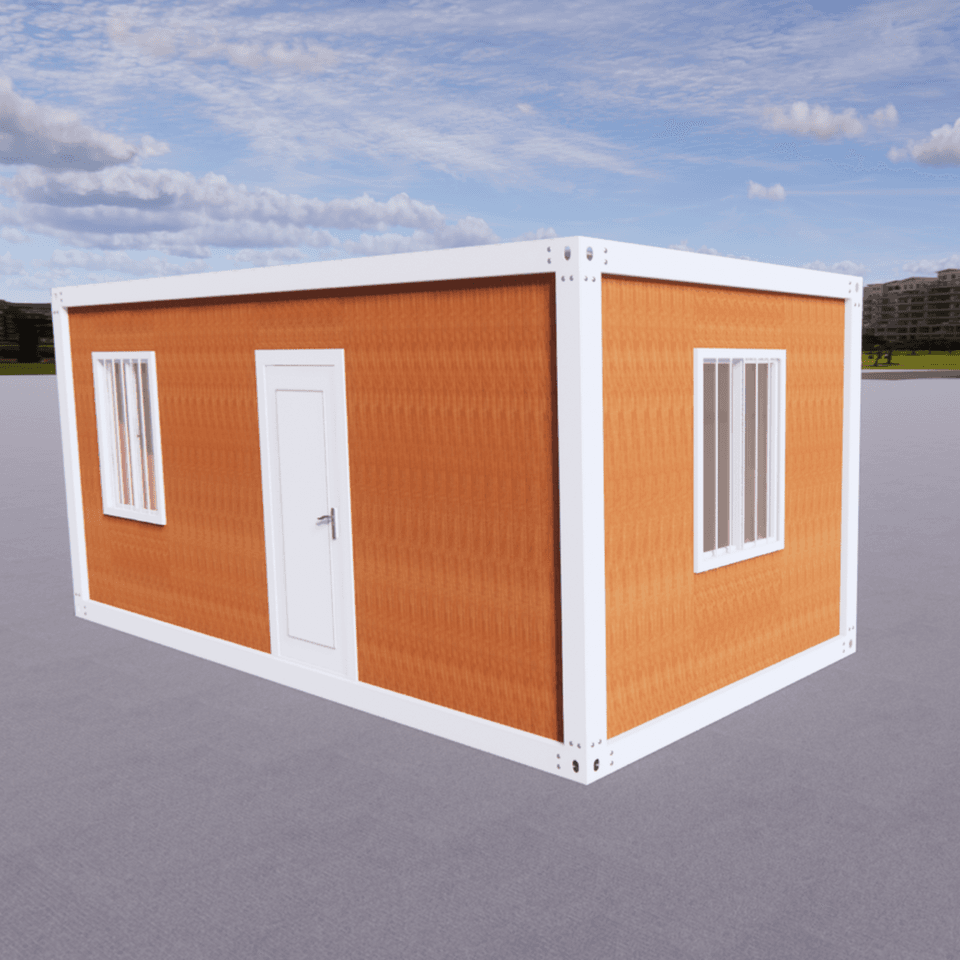
First, enhancing aesthetics and urban charm Traditional public toilets often detract from a city's image due to their monotonous appearance and lack of harmony with the surrounding environment. Mobile toilets break through the limitations of functional buildings by incorporating artistic elements. For example, their exterior designs can draw inspiration from retro architectural styles, such as European domes or Chinese upturned eaves, or adopt modern minimalist geometric shapes. They can even be customized with local cultural symbols, such as regional patterns or traditional colors. This creativity transforms mobile toilets from “necessary facilities” into “urban landscapes,” making them attractions for tourists in tourist attractions and commercial districts, indirectly enhancing the city's cultural soft power.
Second, enhancing user experience Mobile toilets optimize the usage process and environment through intelligent facilities. For instance, they are equipped with smart sensors for automatic door opening/closing and flushing, reducing the risk of contact contamination. Built-in air purification systems quickly decompose odors, combined with music playback functions to create a relaxed atmosphere. Some high-end models also include barrier-free facilities (such as handrails and voice prompts) and baby care stations to meet the needs of special groups. These designs upgrade mobile toilets from “basic need fulfillment” to “comfortable experience provision,” particularly suitable for scenarios with high hygiene requirements, such as high-end events and international conferences.
Third, meeting diverse scenario demands The flexibility of mobile toilets is their core advantage. Through modular design, they can be quickly assembled into single structures (suitable for temporary events) or composite structures (such as combinations of multiple toilet stalls and management rooms). They are made of lightweight alloys or high-strength plastics and can be moved using wheels or trailers, enabling rapid deployment to areas that traditional toilets cannot cover, such as large public events, disaster relief sites, and remote regions. For example, additional toilet stalls can be added at music festivals to cope with peak visitor flows, and temporary sanitation facilities can be quickly erected in earthquake-stricken areas to address urgent needs.
Fourth, implementing eco-friendly and energy-saving concepts Mobile toilets reduce resource consumption and environmental pollution through technological innovations. For example, they use microbial degradation technology to treat feces, enabling waterless or low-water flushing. They are equipped with wastewater treatment systems to purify and recycle water for flushing or irrigation. Solar panel power supply designs meet basic energy needs for lighting and ventilation, reducing reliance on the power grid. These measures not only comply with sustainable development requirements but also lower long-term operational costs, making them particularly suitable for water-scarce or ecologically sensitive regions.



