
Mobile Toilet Construction
The construction of mobile toilets requires comprehensive consideration of configuration, installation steps, and structural composition to ensure complete functionality and safety for use.
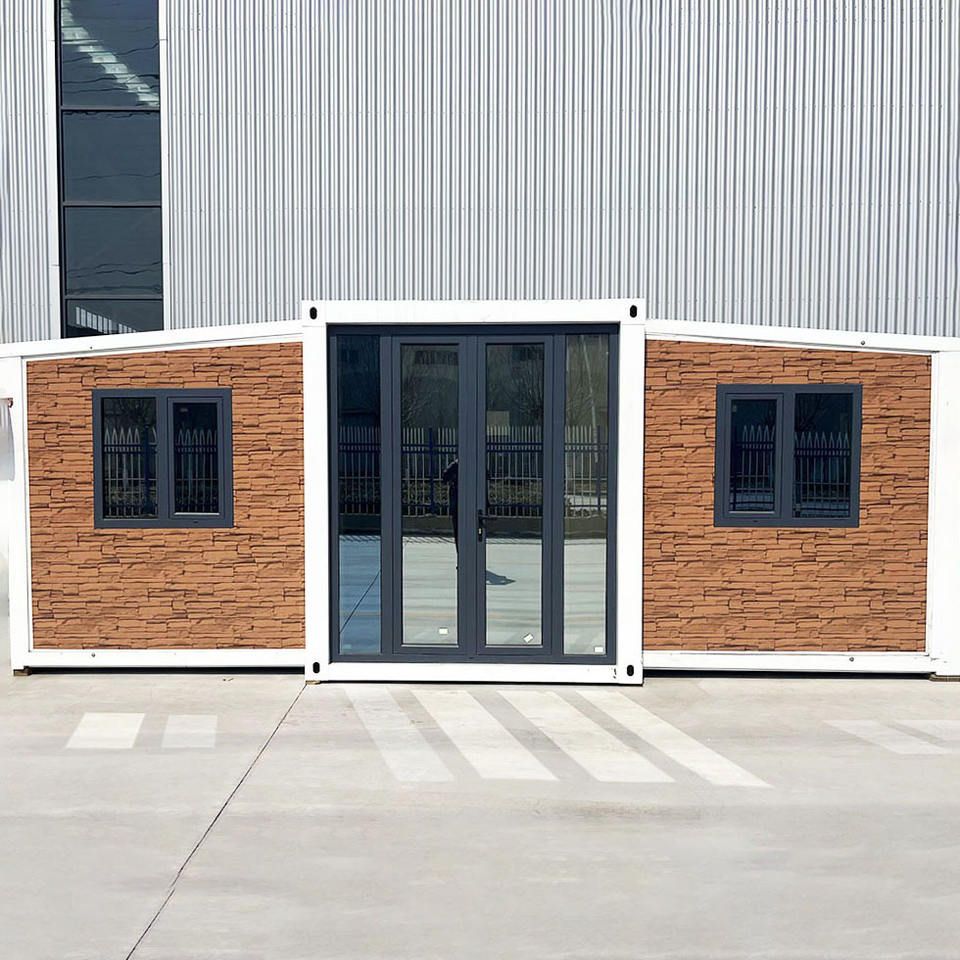
I. Basic Configuration and Functional Requirements
Mobile toilet construction must ensure “complete configuration and immediate usability upon installation,” supporting customization based on specific needs. Internally, it should be equipped with a residual current circuit breaker (to ensure electrical safety), a flush tank (to provide flushing functionality), an exhaust fan (to maintain air circulation), lighting fixtures (to meet nighttime usage needs), and ceramic flooring (slip-resistant and easy to clean). Additionally, power outlets should be reserved to enable “plug-and-play” functionality, avoiding the need for secondary wiring on-site. For environmentally friendly designs, a fecal wastewater storage tank or treatment device should also be configured to ensure compliant wastewater discharge or recycling.
II. Standardized Installation Steps
- Tool Preparation: Use tools such as an electric drill (with a 4.2mm drill bit), a rivet gun, and a spirit level to ensure installation accuracy.
- Frame Assembly:
- Fix the inner corner pieces sequentially according to the design drawings to form the main frame of the toilet;
- Insert the prefabricated wall panels into the slots, align them, drill holes with the drill bit, insert rivets, and secure them with the rivet gun to ensure structural stability.
- Equipment Installation:
- Secure the flush tank, exhaust fan, and lighting fixtures, and connect the water and electrical lines (complying with electrical safety standards);
- Lay the ceramic flooring, checking for flatness and slip resistance;
- Install the roof and mobility devices (such as wheels or lifting structures), ensuring tightness and mobility.
- Commissioning and Acceptance: Test the lighting, flushing, and exhaust functions by powering on, check the sensitivity of the residual current protection device, and confirm the absence of water leakage or electrical hazards before delivery for use.
III. Structural Composition and Construction Key Points
Mobile toilets consist of six core components:
- Fecal Treatment System: The storage tank should have a cleaning port reserved, and the treatment device should be equipped with filtration and disinfection modules;
- Floor and Walls: Use waterproof and corrosion-resistant materials (such as stainless steel or high-density plastic), with the walls having reserved holes for equipment installation;
- Sanitary Fixtures: The ceramic toilet should be securely fixed, and the flush valve should be adjusted to the appropriate water pressure;
- Roof and Mobility Devices: The roof should have waterproof functionality, and the mobility devices should bear the overall weight and facilitate transportation;
- Water and Electrical Systems: The lines should be concealed, and the water pipes should be insulated (in cold regions);
- Ventilation System: The exhaust fan should form a convection with the air inlet to prevent odor accumulation.
During construction, strictly follow the design drawings, focusing on checking structural stability, equipment compatibility, and safety protection measures to ensure the mobile toilet meets the requirements of the usage scenario.
You may also like

Portable Toilet Eco-Friendly: MOQ, Samples & Quotation Guide
Read More
Top Portable Toilet Color Steel Manufacturers: How to Choose a Factory Partner
Read MorePortable Toilet Picture: Types, Features & Buying Tips
Read More