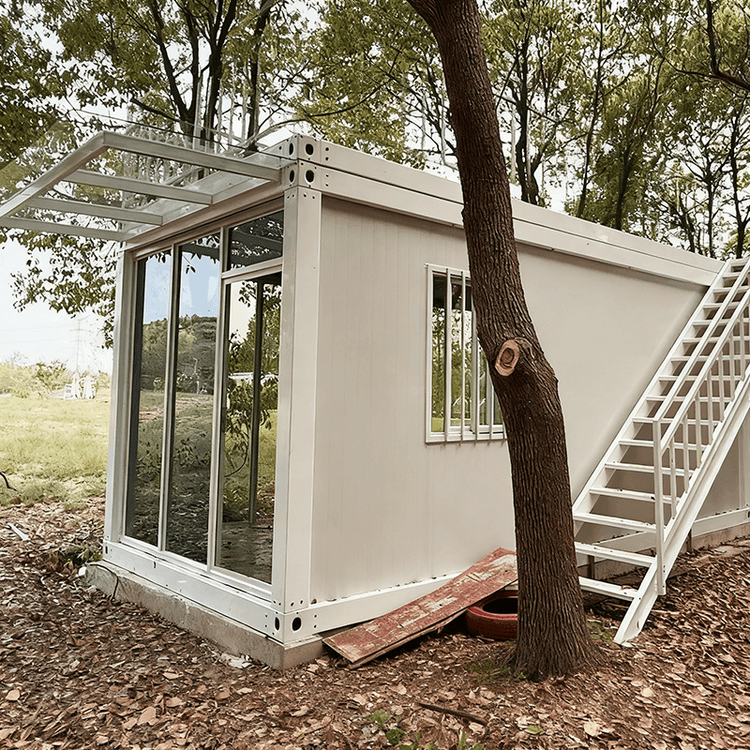
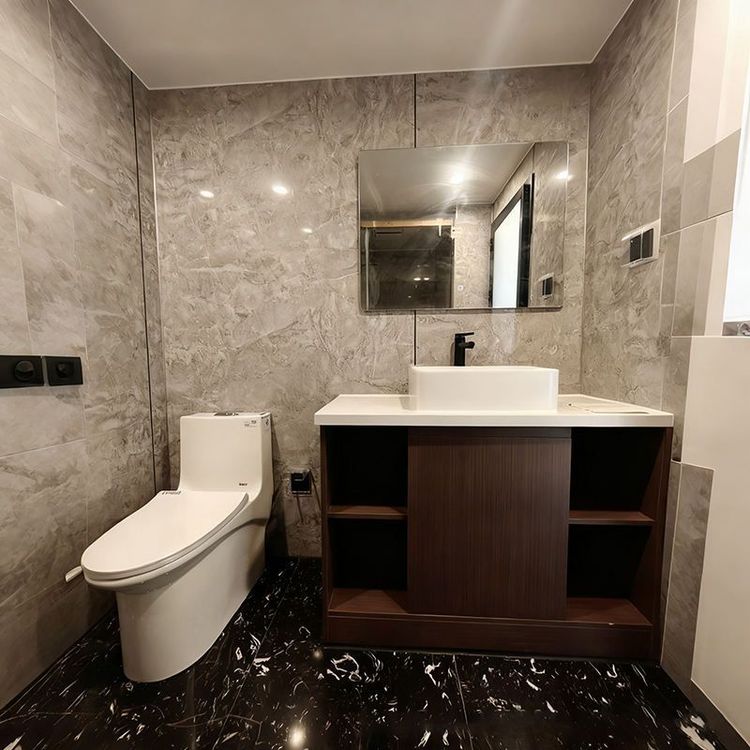
Construction Requirements for Mobile Toilets
Currently, there are no unified construction standards for mobile toilets, but considerations generally include structural composition, adaptability of mobility methods, reasonable sewage treatment, and environmental harmony.
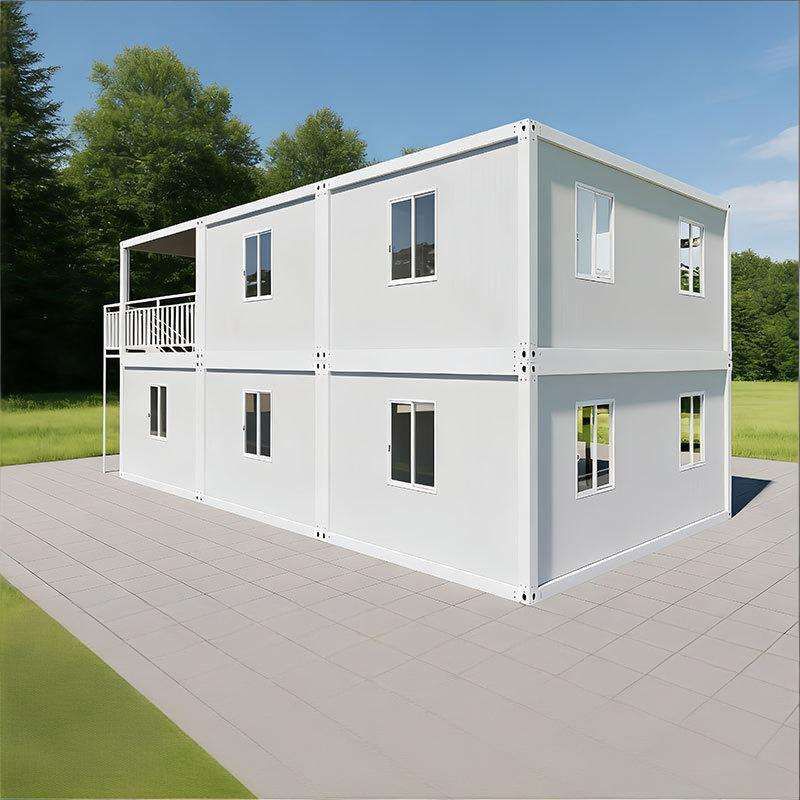
In terms of structural composition, mobile toilets typically consist of fecal sewage storage tanks (or fecal sewage treatment devices), floor slabs, sanitary ware, walls, washing facilities, water tanks, roofs, and mobility devices. During construction, it is essential to ensure the reliable quality of each component. For example, fecal sewage storage tanks should have sufficient capacity to meet usage demands over a certain period and must be well-sealed to prevent sewage leakage and environmental pollution. Sanitary ware should be made of durable and easy-to-clean materials to ensure user experience and hygiene. Walls and roofs should have good waterproof and thermal insulation properties to provide a comfortable environment for users.
The adaptability of mobility methods is also crucial. Mobile toilets can be classified into lifting and handling types, as well as powered and towed types based on their mobility methods. For lifting and handling mobile toilets, their overall structure should facilitate easy lifting and handling, with secure connections between components to prevent loosening or damage during movement. Powered and towed mobile toilets require appropriate power systems and towing devices to ensure stable movement and compliance with road transport regulations regarding weight and dimensions.
Sewage treatment methods must be reasonable. Mobile toilets can be categorized into water-flush and non-water-flush suction types, circulating water-flush types, and dry-packing types based on their sewage treatment methods. Water-flush and non-water-flush suction mobile toilets should ensure smooth sewage discharge and collection for treatment. Circulating water-flush mobile toilets must guarantee the normal operation of the water circulation system and water quality that meets hygiene standards. Dry-packing mobile toilets should ensure the reliability of the packing device to prevent fecal leakage.
Additionally, the construction of mobile toilets should consider harmony with the surrounding environment. Their exterior design and colors should blend with surrounding buildings or landscapes without affecting overall aesthetics. At the same time, their placement should be reasonably planned for public convenience, and good ventilation should be ensured to reduce odors.